
Refurbished phones, laptops and tablets can cost hundreds less than new ones — if you know how to read condition grades, warranties and return policies. Here's how to shop refurbished the smart way.

A brand-new flagship phone can easily cost $1,000 or more in 2026, and a decent laptop isn't far behind. Yet many of the devices sold as "refurbished" are nearly identical to new ones, sometimes returned unopened, sometimes used for a few weeks, then inspected, cleaned and resold for a fraction of the price. The catch is that "refurbished" can mean very different things depending on who's selling it. Shop carefully and you can save hundreds. Shop carelessly and you might end up with a device that dies right after the return window closes. Here's how to tell the difference.
A refurbished device is one that was returned, repaired or previously owned and then inspected and restored to working condition before being resold. That covers a wide range:
Open-box returns: someone bought it, opened it, changed their mind. Often essentially new.
Manufacturer refurbished: the original brand inspected it, replaced any faulty parts, and often put in a new battery and outer shell.
Seller or third-party refurbished: an independent company tested and repaired it. Quality depends heavily on the seller.
Used or "pre-owned": sometimes sold with minimal testing. This is the riskiest category.
The word "refurbished" isn't tightly regulated, so the details are in the seller's condition grade, warranty and return policy, not the label.
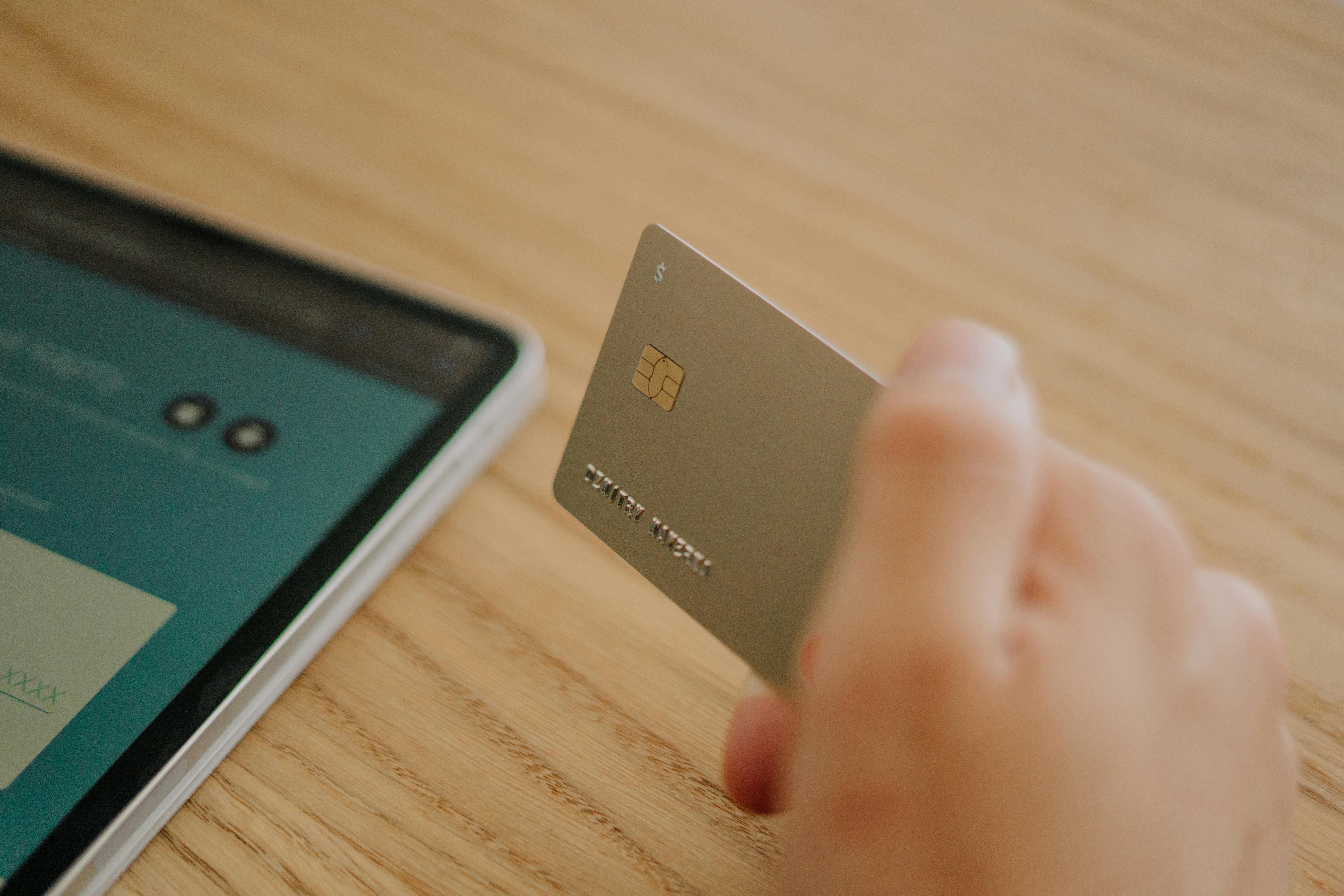
Most refurbished marketplaces use some version of a grading scale. The names vary, but they typically look like this:
Excellent / Grade A / "Like new": no visible scratches or only tiny marks you'd have to hunt for.
Good / Grade B: light scuffs or scratches on the body, but the screen is usually clean.
Fair / Grade C: noticeable cosmetic wear. Works fine, but looks used.
Here's the money-saving secret: cosmetic grade usually has nothing to do with how well the device works. If you're going to put a phone in a case anyway, a "Good" grade might save you another $40 to $80 over "Excellent" with no real downside. What matters more is battery health, which brings us to the next point.
1. Warranty length. Manufacturer-certified refurbished programs, like Apple's Certified Refurbished store, typically come with the same one-year warranty as a new product. Large marketplaces like Amazon Renewed generally offer a shorter guarantee window, often 90 days, while independent sellers vary widely. A longer warranty is worth paying a bit more for.
2. Return window. Look for at least 14 to 30 days so you can test everything: camera, speakers, charging port, Wi-Fi, buttons and battery life.
3. Battery health. Batteries wear out with use. Good refurbishers guarantee a minimum battery capacity, often 80% or more, or install a new battery. If the listing doesn't mention battery health at all, ask or move on.
It's also worth thinking about whether an extended warranty is worth adding. We cover when those plans make sense in Extended Warranties in 2026: When They're Actually Worth Buying.
How you pay for a refurbished device matters more than people realize. Many credit cards include purchase protection, which can cover theft or accidental damage for a period after you buy, and some extend the manufacturer's warranty by up to an extra year. That extended coverage can be especially valuable on a refurbished item with a short warranty. Check your card's benefits guide before you buy. If your current card doesn't offer these perks, many cash back cards and rewards cards do.
Paying by credit card also gives you the ability to dispute a charge if a seller ships a broken device and refuses to help, which is a big safety net when buying from a smaller refurbisher.
Tanya needed a laptop for her graphic design classes. The new model she wanted was $1,299. She found the same model, one generation old, manufacturer refurbished for $849, with a one-year warranty and a new battery. Because she paid with a card that adds an extra year to manufacturer warranties, she effectively got two years of coverage. Total savings: $450, or about 35%, for a machine she couldn't tell apart from new.
Devon wanted a new phone and found a "Fair" grade listing on a marketplace for $310, compared with $520 for an "Excellent" unit from a certified refurbisher. He bought the cheap one. It arrived with 74% battery health and a charging port that only worked at an angle. The seller offered just a 30-day return window, and Devon, busy with work, didn't test the port until day 34. He ended up paying $89 for a battery replacement and $65 to fix the port, bringing his total to $464, only $56 less than the certified option, with no warranty and a lot more hassle.
The lesson: the lowest price isn't always the best deal. A strong warranty and verified battery health are worth a modest premium.
Buying on price alone. A cheap listing with a 14-day return window and no warranty is a gamble.
Ignoring the model year. A refurbished phone that's four or five years old may stop getting security updates soon. Check how long the manufacturer supports that model.
Not testing during the return window. Put a reminder in your calendar and test every feature in the first week.
Skipping battery details. A worn battery can make a great deal feel like a bad one within months.
Paying with a debit card or gift card. You lose purchase protection and easy dispute rights.
Forgetting carrier compatibility. For phones, make sure the device is unlocked or compatible with your carrier before you buy.

Decide which model you want, then check if a refurbished version one generation older meets your needs.
Start with manufacturer-certified refurbished stores, which usually have the best warranties.
Compare against big marketplaces and reputable refurbishers, noting warranty length, return window and battery guarantee.
Choose cosmetic grade based on how you'll use it. If it's going in a case, "Good" is often fine.
Pay with a credit card that offers purchase protection or extended warranty.
Test everything within the first week, including battery life over a full day.
Recycle or trade in your old device to shave even more off the cost.
Refurbished electronics are one of the easiest ways to cut a big expense by 20% to 40% without really sacrificing anything. The key is to shop the warranty and battery health, not just the price tag. Stick with sellers who stand behind what they sell, pay with a card that adds protection, and test your device right away. Do that, and you'll likely end up with a device that feels brand new for hundreds less.
This article is for informational purposes only. Warranty terms, return policies and card benefits vary by seller and issuer and can change. Always review the specific terms before making a purchase.
Join the newsletter your bank hates and your wallet loves.
No spam. Unsubscribe anytime.