
Thrifting isn't just for vintage lovers. Here's where buying used saves you the most money, where it doesn't, and how to shop secondhand without wasting time.

There's a reason your grandparents kept furniture for forty years and never blinked at a hand-me-down coat. Buying used is one of the oldest money-saving moves around, and in 2026 it's easier than ever thanks to apps, local marketplaces, and a whole generation that no longer sees secondhand as second best. But not everything is worth buying used, and a bad thrift haul can cost you more than a new item would have. Here's how to tell the difference.
New items lose a big chunk of their value the moment you buy them. A couch, a stroller, or a jacket may drop by half in resale value within a year or two, even if it's barely been touched. When you buy used, someone else has already absorbed that drop. You pay for the remaining useful life of the item, not the sticker price of newness.
The savings can be dramatic in categories where products are used briefly or replaced for reasons unrelated to wear, like kids' gear, exercise equipment, and furniture from a big move.
Kids' clothes and gear. Children outgrow clothes in months. Much of what you find in consignment shops is nearly new. Strollers, high chairs, and toys are also strong picks, though car seats need special care (more on that below).
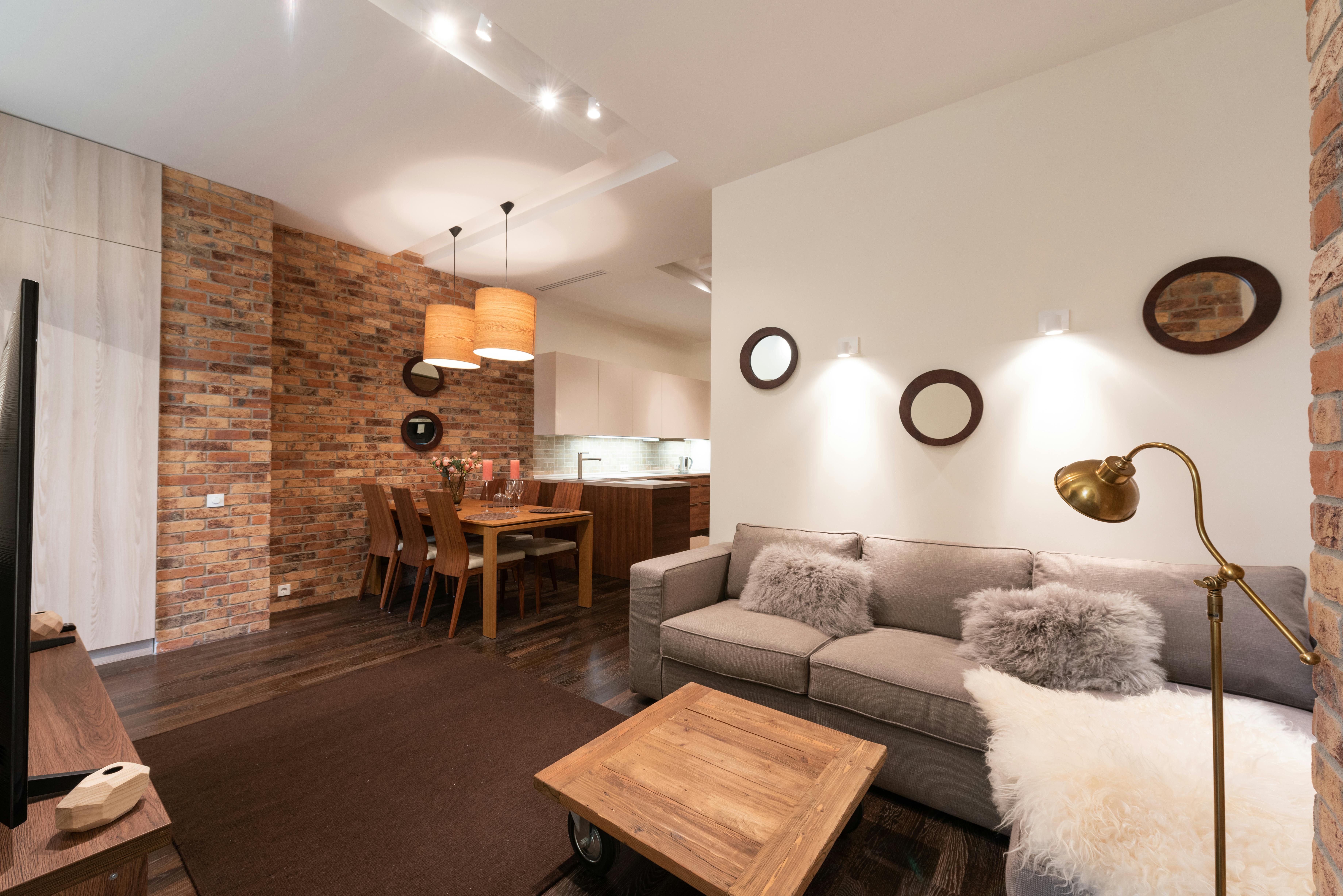
Furniture. Solid wood dressers, tables, and bookshelves often outlast modern particleboard, and a used one can cost a fraction of retail. Skip anything with visible water damage, wobbly joints, or a musty smell.
Tools and equipment. Ladders, drills, and lawn tools are used a few times a year, and a lightly used one works as well as a new one.
Books and media. Used bookstores and library sales can cut the cost of reading to a few dollars.
Clothing you'll keep for years. Quality coats, boots, and jeans often survive far longer than fast fashion. If you're curious about the long-term math on clothes that last, our piece on the real cost of fast fashion breaks it down.
Some items aren't worth the risk. Car seats and bike helmets can be compromised by accidents you can't see, and manufacturers set expiration dates. Mattresses can harbor allergens or pests. Old electronics may have battery problems or no software support. Anything with a recall history deserves a quick check on the manufacturer's site before you buy.
It's also easy to overspend on "deals" you don't need. A $15 item you'll never use is a $15 loss, no matter how low the price looked. That's where a simple pause rule helps: try the 30-day rule for impulse spending on anything that isn't an immediate need.
Meet Tasha and Jordan, a couple furnishing a first apartment on a tight budget. They priced a basic setup new: a sofa ($900), a dining table with four chairs ($600), a dresser ($400), and a bookshelf ($150). Total: $2,050.
They decided to shop secondhand. Over three weekends they found a lightly used sofa on a local marketplace for $250, a solid oak dining set from an estate sale for $180, a dresser at a thrift store for $90, and a bookshelf for $25. Total: $545. They spent another $60 on cleaning supplies, new legs for the dresser, and a can of paint. All in, $605.
That's a savings of $1,445, or about 70%. Their trade-off was time: roughly 10 hours of hunting and a rented van for $40 (already included in the $605 if you add it, so let's say $645 total). Even counting that, they saved about $1,400 and ended up with sturdier furniture than they'd have bought new.
On the flip side, they bought a used mattress topper for $30 and threw it out a week later when it smelled off. That's the kind of mistake worth learning from.
Thrift stores and consignment shops are great for browsing. Local online marketplaces are best for furniture and big items, though you need to negotiate and arrange pickup. Estate sales are treasure troves for solid, older pieces. Buy-nothing groups and community swap events cost you nothing at all. If you're curious how the platforms compare when you want to buy or sell, take a look at Facebook Marketplace vs. eBay vs. Poshmark.
If you're paying for a larger purchase like a used appliance, consider using a card with purchase protection. Our rewards credit cards page can help you compare options, and for card-based cash back on everyday buys, see cash back credit cards.
Go in with a short checklist. For furniture, sit on it, open every drawer, and look underneath. For electronics, ask to see it turn on and test the ports. For clothing, check seams, zippers, underarms, and fabric pilling. For tools, run them. And always ask about the reason for selling, which can reveal hidden problems.
The biggest mistake is buying something just because it's cheap. A bargain is only a bargain if you'd have bought the item at full price. The second is ignoring the cost of transport, repairs, and cleaning. The third is skipping safety checks on kids' products and electronics. Another one is failing to negotiate: prices on local marketplaces are usually flexible, and offering 15% to 25% less is common and polite when done with a friendly tone. Finally, don't let clutter creep in. If you buy ten "maybe" items, you've just moved money into things you don't use.
Make a list of what you actually need this month.
Set a budget for each item before you start looking.
Check new prices first so you know what a real deal looks like.
Inspect every item in person, or ask for detailed photos and videos.
Negotiate politely and bring cash or a payment method that offers protection.
Clean and repair as needed, and skip items with safety or hygiene risks.
Track what you saved so you can see the results.
Secondhand shopping is one of the simplest ways to stretch your budget, especially for furniture, kids' items, tools, and durable clothing. Be selective, stay patient, and avoid the categories where safety or hygiene make used a bad idea. Done well, buying used is a habit that quietly puts hundreds or even thousands of dollars back in your pocket every year.
This article is for general educational purposes only and is not financial advice. Prices, savings, and product safety guidelines vary. Always check recall information and manufacturer safety recommendations before buying used goods.
Join the newsletter your bank hates and your wallet loves.
No spam. Unsubscribe anytime.