
Some credit cards quietly cover your phone against theft and damage when you pay your monthly bill with them. Here's how cell phone protection works, what it costs you, and when it beats a carrier insurance plan.

You pay your phone bill every month, and somewhere in that bill is a line for "device protection" that costs $15 or more. Over two years, that is $360 or more for a policy that still makes you pay a deductible when something breaks. Here is the part most people never hear: a handful of credit cards will cover your phone for free, as long as you pay your monthly wireless bill with that card. It is one of the most useful benefits hiding in the fine print, and in 2026 it is worth knowing how it works before you sign up for another insurance add-on.
Cell phone protection is a benefit that some credit cards include. If your phone is stolen or physically damaged, the card issuer reimburses you for the repair or replacement, up to a stated limit. Think of it as insurance that comes bundled with the card instead of being sold to you separately.
The catch is the trigger. You almost always have to pay your monthly wireless bill with the eligible card for the benefit to apply. Some cards require that you pay the bill in full with the card, and the coverage applies to the phones listed on that bill. Buying the phone itself with the card does not usually matter. The monthly bill is what turns the coverage on.
As a quick bit of jargon: a "deductible" is the amount you pay out of pocket before the coverage kicks in. A "claim limit" is the most the issuer will pay for one incident. Both numbers matter when comparing a card benefit to a carrier plan.
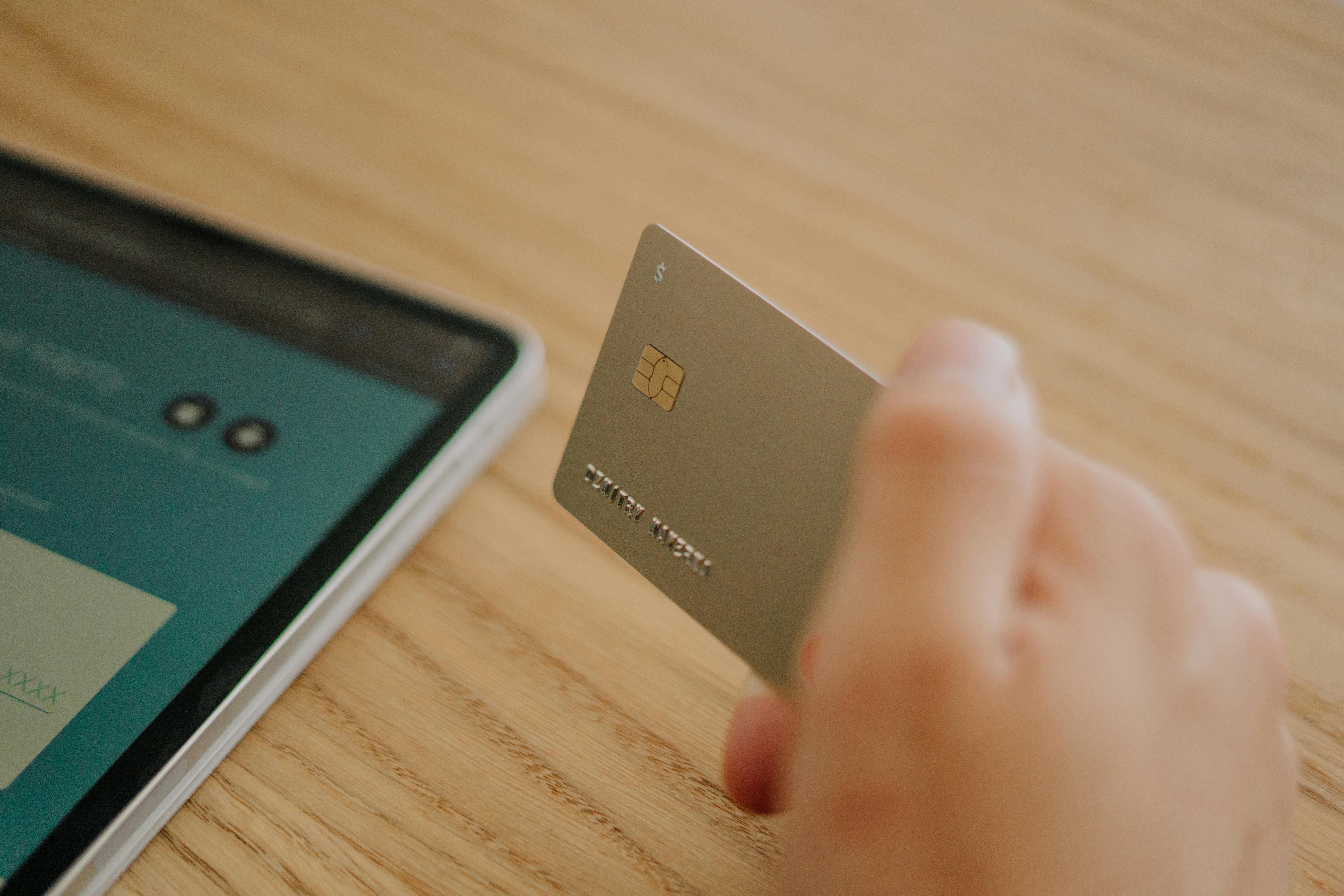 How the coverage typically works
While each card has its own rules, most cell phone protection benefits follow the same general pattern. You pay your wireless bill with the card. If a covered event happens, you file a claim with the benefit administrator, not with your wireless carrier. You send in documentation such as your bill, a police report for theft, and repair estimates or photos of the damage. If approved, you are reimbursed up to the limit, minus a deductible.
Typical limits run from a few hundred dollars per claim up to roughly $800 on some cards, with a cap on how many claims you can file in a year. Deductibles often land between $25 and $100. Always check the current terms of your specific card, because these numbers change and issuers can update them.
What is usually covered: theft and accidental damage like a cracked screen. What is usually not covered: loss (just misplacing it), mysterious disappearance, cosmetic damage that does not affect function, and damage from intentional misuse.
Carrier plans and third-party phone insurance feel safer because they are simple. You call, and a replacement shows up. But you pay for that convenience every month, and the deductibles can be steep, sometimes $150 to $250 for a newer phone.
A card benefit flips the math. You pay nothing extra for the coverage, though you may pay an annual fee on the card for other reasons. The tradeoff is more paperwork and slower reimbursement, since you often pay for the repair first and get paid back later.
If you want a card that fits this strategy, browse the rewards card category and check each card's benefits guide for a cell phone protection line. If you want to keep your annual costs at zero, start with the no-annual-fee cards and see whether any include it.
 A worked example
Meet Priya and Tom, a couple with two phones on a family plan. Their carrier offers device protection at $17 per phone per month. That is $34 a month, or $816 over two years, before any deductibles.
Priya has a credit card with cell phone protection that covers up to $800 per claim with a $50 deductible, and it asks only that she pays the wireless bill with that card. She switches the bill to the card, cancels both carrier protection plans, and keeps the $34 a month.
Six months later, Tom drops his phone on a driveway and cracks the screen. The repair quote is $279. Under the carrier plan, he would have paid a $99 deductible after paying $102 in premiums over six months, for a total of $201 for the same fix. With the card benefit, he pays the $279 repair upfront, files a claim, and gets reimbursed $229 after the $50 deductible. His net cost is $50.
Over two years, assuming one claim, Priya and Tom spend about $50 instead of roughly $915. Even if they had two claims, the card route would still come out well ahead. The trade is paperwork and a few weeks of waiting for the check.
To keep it fair, note that if Tom had totally lost the phone, neither plan route would have covered him in the same way, and the carrier plan might have been the better safety net. This is why it is worth reading your card's list of exclusions.
Usually yes, if you were already planning to pay the bill with a credit card and you can pay the full balance each month. Putting a $150 wireless bill on a card that earns rewards also gives you cash back or points on a bill you pay anyway. Consider pairing the benefit with a cash back card if the card with the phone protection earns little on everyday spending.
Do not carry a balance just to keep the benefit. A 25% APR on an unpaid balance will wipe out any savings from skipping insurance. Autopay for the full statement balance is the cleanest way to make this work. If you are wondering how to build a safer payment routine, our guide on how to automate your savings covers setting up transfers that keep your cards paid off.
The biggest mistake is assuming you are covered without checking. Many people have a card with this benefit and never turned it on because they did not pay the wireless bill with it. If the bill is on a different card or a debit card, the coverage does not apply.
Another mistake is cancelling carrier protection before you confirm the card's terms. Read the guide to benefits, which you can find on your issuer's website or in the paperwork that came with the card. Look at the claim limit, deductible, covered events, and how many claims are allowed per year.
A third error is missing the filing deadline. Many issuers want a claim filed within 60 to 90 days of the incident. If you wait, you can lose the benefit entirely. Save photos, receipts, and a police report from the moment something happens.
People also forget that the coverage applies only to phones on the bill. If you add a new line or swap phones, check that the new device is listed. And finally, some people assume the benefit covers lost phones. In most cases it does not, so if you tend to misplace things, a different plan may suit you better.
First, pull up your current cards and read the benefits guide for each one. Search for the words "cell phone protection" or "wireless protection." Second, note the claim limit, deductible, and filing deadline for any card that has it. Third, move your wireless bill to that card and set up autopay for the full statement balance. Fourth, cancel carrier or third-party device protection once you have confirmed the coverage is active, ideally after your next bill posts on the new card. Fifth, keep a folder with your wireless bill, phone serial number, and benefit guide so a claim is fast if you ever need one.
If you want to compare cards before choosing, the main credit card hub is a good place to start, and our guide to credit card spending controls can help you track the bill.
A phone protection plan from your carrier is easy, but you pay for that ease month after month. If you already have a card with cell phone protection, or you are open to getting one, moving your wireless bill onto it can save hundreds of dollars over the life of a phone. Read the terms, pay in full, file claims quickly, and keep your documentation. It is a small change that turns a bill you already pay into built-in insurance.
This article is for general educational purposes only and is not financial, legal, or insurance advice. Card benefits, limits, and terms change often, so always confirm current details with the card issuer before relying on any coverage.
Join the newsletter your bank hates and your wallet loves.
No spam. Unsubscribe anytime.