
Physical consignment shops still pay out real money for clothes, gear, and furniture you no longer use — and treating it as a system instead of a one-time cleanout can turn it into steady side income.

Most people think of consignment as a one-time errand: clean out the closet, drop off a bag of clothes, get a small check a few weeks later, forget about it until the next big purge. Treated that way, it's barely worth the gas money. Treated as an actual system — a regular rotation of sourcing, sorting, and dropping off — consignment selling can turn into a real, recurring side income, often without the photography, shipping, and customer-service work that online reselling platforms require.
The basic mechanism is simple: a consignment shop takes your items, prices and sells them in their store, and splits the sale price with you, typically somewhere between 40% and 60% to the seller depending on the category and the shop. You don't have to write a listing, answer buyer messages, package anything, or deal with returns. The shop does all of that. In exchange, you give up some of the sale price and some control over pricing. For a lot of people, especially those who don't enjoy the marketplace-app side of reselling, that trade is worth it.
When you drop items off, most shops either buy a portion outright on the spot for cash (usually at a lower price) or take everything on consignment, where you get paid only after something sells, typically 30 to 90 days later depending on the shop's payout schedule. Some shops offer store credit at a better rate than cash if you're also a regular customer there, which can make sense if you're already buying secondhand kids' clothes or furniture from the same place. Unsold items are usually marked down after a set number of weeks, and anything still unsold after 60 to 90 days either gets donated automatically or returned to you, depending on the shop's policy — always ask this upfront, since it affects how much of your inventory you actually see money from.

Not everything is worth the trip. Clothing needs to be current-ish (generally within the last two to three years of style), in excellent condition, and clean — shops reject a large share of what comes in the door for exactly these reasons. Name-brand and mid-to-premium labels move faster and at better prices than fast-fashion brands, which most consignment shops won't even accept. Furniture, especially solid wood pieces and recognizable mid-range brands, does well at specialty consignment furniture stores, which pay out differently than clothing shops and are worth treating as a completely separate income stream. Kids' items — especially gently used clothing, toys, and gear like strollers and car seats within their safety-expiration window — turn over quickly because parents are constantly buying up a size.
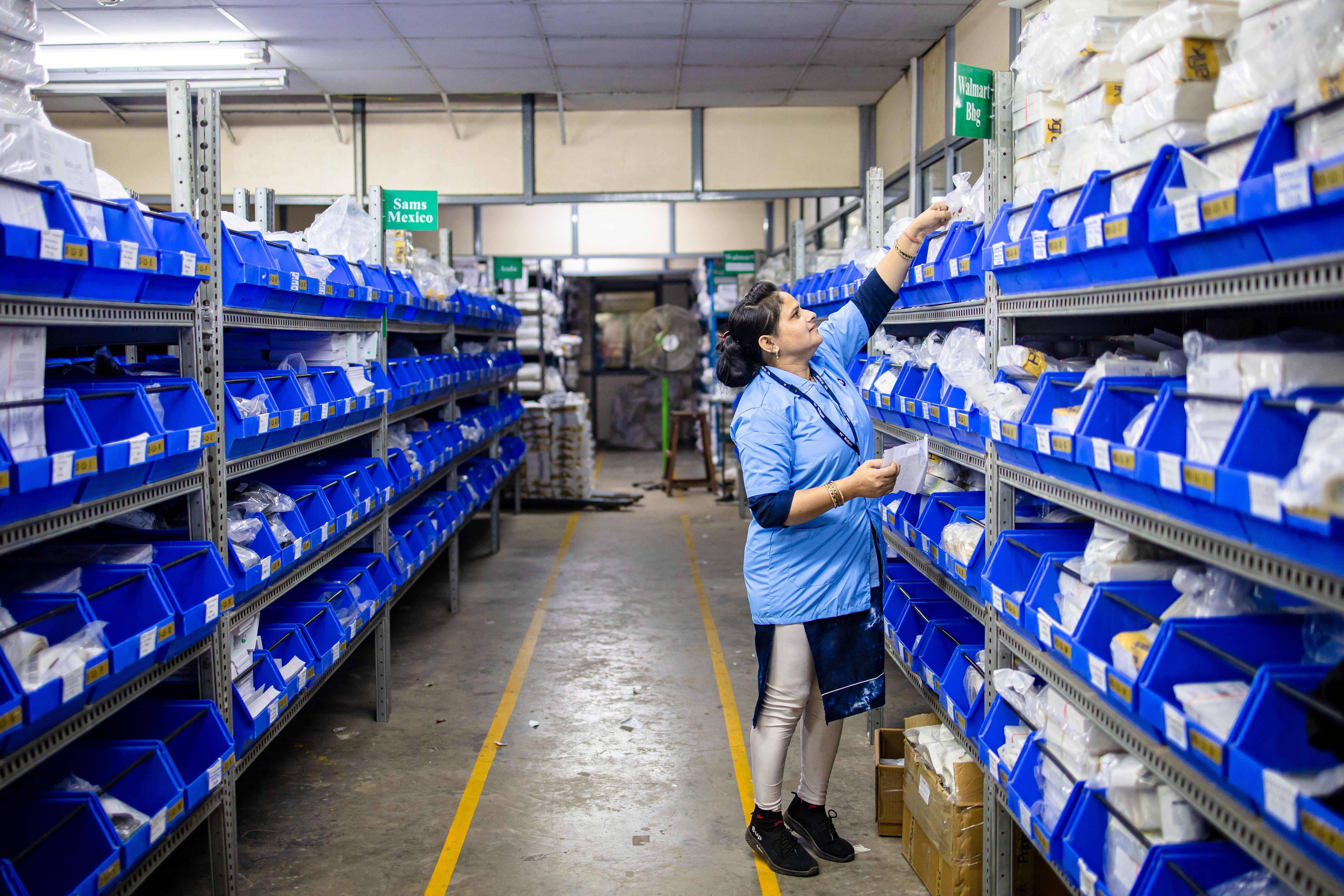
The difference between a one-time cleanout and an actual side income is scheduling. Rather than waiting for closets to get overwhelming, set a recurring sourcing habit: a specific day each month to sort through what's accumulated, a rotation of two or three consignment shops that each specialize in different categories (clothing, furniture, kids' gear), and a simple system for tracking what you dropped off where and when to expect payment. Sourcing doesn't have to be limited to your own household, either — many people expand into buying underpriced items at yard sales, thrift stores, or clearance racks specifically to resell through consignment, effectively becoming a small-scale reseller rather than just someone clearing out a closet. This is a meaningfully different business than online platforms like Facebook Marketplace, eBay, or Poshmark, since you're trading a larger cut of the sale price for zero listing, shipping, or customer service work — worth running both channels side by side if you have the time, sending higher-value or brand-name pieces online and everything else through consignment.
Once payouts start becoming regular, it's worth treating consignment income the way you'd treat any other side hustle: keep a simple log of what you dropped off, the shop's split percentage, and what you were paid, so you can actually see which shops and which categories are worth your time. If the volume grows past occasional closet cleanouts into a genuine sourcing-and-reselling habit, this income is generally taxable self-employment income once it crosses a meaningful, sustained level — a simple spreadsheet from month one saves a scramble at tax time later.
Renee started consignment selling after a closet cleanout produced four garbage bags of clothes she hadn't worn in years. She dropped them at a local shop that took about half on consignment and declined the rest for being too worn or out of style. Over the next three months, the accepted items sold for a combined $340, and at the shop's 50% split, she received $170 — a decent one-time result, but not yet a system.
She decided to turn it into a monthly habit instead. Every first Saturday, she spent 30 minutes sorting anything in the house that hadn't been used in the past year, plus anything she picked up cheaply from a nearby thrift store that looked like it would do well at the higher-end consignment shop across town. She split her drop-offs between two shops: one specializing in women's clothing at a 50/50 split, and a furniture consignment shop that took a smaller cut (60/40 in her favor) on two dressers and a bookshelf she no longer needed. Over the following year, her total consignment income came to $2,180 — roughly $180 a month on average, with furniture months running higher than clothing-only months. It wasn't a full-time income, but it consistently covered her family's grocery bill overage most months, for roughly two to three hours of sorting and driving time total.
The most common mistake is treating consignment as a once-a-year event instead of a recurring habit, which means missing months of potential income between big cleanouts. A close second is dropping off items without checking a shop's specific acceptance criteria first — brand, condition, and seasonal timing all matter, and showing up with a car full of items a shop won't take wastes a trip. People also frequently forget to ask about the payout schedule and unsold-item policy before dropping things off, then are surprised months later when items were donated rather than returned. And treating consignment income as "found money" rather than logging it can turn into a real headache if the side income grows large enough to matter for taxes.
Pick two or three consignment shops near you that specialize in different categories — clothing, furniture, kids' gear — and call ahead to ask about their split percentage, payout timeline, and what happens to unsold items. Set a recurring monthly or bimonthly time to sort through what's accumulated in your home rather than waiting for a big cleanout. Start a simple log tracking what you dropped off, where, and what you were paid, so you can see which categories and shops are actually worth your time. Consider sourcing beyond your own closet — yard sales, thrift stores, and clearance sections — once you know which categories sell fastest at your chosen shops. And keep online platforms in your rotation for higher-value or brand-name pieces where the extra effort of listing them yourself pays off.
Consignment selling won't replace a paycheck, but treated as a system rather than a one-time errand, it turns the stuff already sitting unused in your home into a steady trickle of income with almost none of the listing and shipping work online reselling requires. The people who actually make it worthwhile aren't doing anything complicated — they're just doing it on a schedule instead of only when the closet gets unbearable.
This article is for general informational purposes and isn't personalized financial or tax advice. Consignment shop policies, split percentages, and payout timelines vary widely by location and by store, and income from resale activity may be taxable depending on its scale and frequency — consult a tax professional if your consignment activity becomes a regular source of income.
Join the newsletter your bank hates and your wallet loves.
No spam. Unsubscribe anytime.