
Lounge access sounds like a simple perk until you hit a guest fee, a capacity cap, or a network your card doesn't actually cover. Here's what lounge access really gets you.

A long layover feels completely different sitting in an airport food court versus a lounge with free food, quiet seating, and decent wifi — which is exactly why lounge access has become one of the most talked-about perks on premium travel cards. But "lounge access" means different things depending on the card, and the gap between the marketing and the real experience trips up a lot of cardholders the first time they try to use it.

Cards generally provide access through one of three arrangements: their own branded lounge network (available only at specific airports where that bank has built lounges), a broad third-party lounge network membership bundled with the card, or a general lounge program day-pass allowance included as a card benefit. A card might offer just one of these or a combination, and the practical value depends heavily on which airports you actually fly through, since a card's own branded lounges might not exist at your home airport at all.
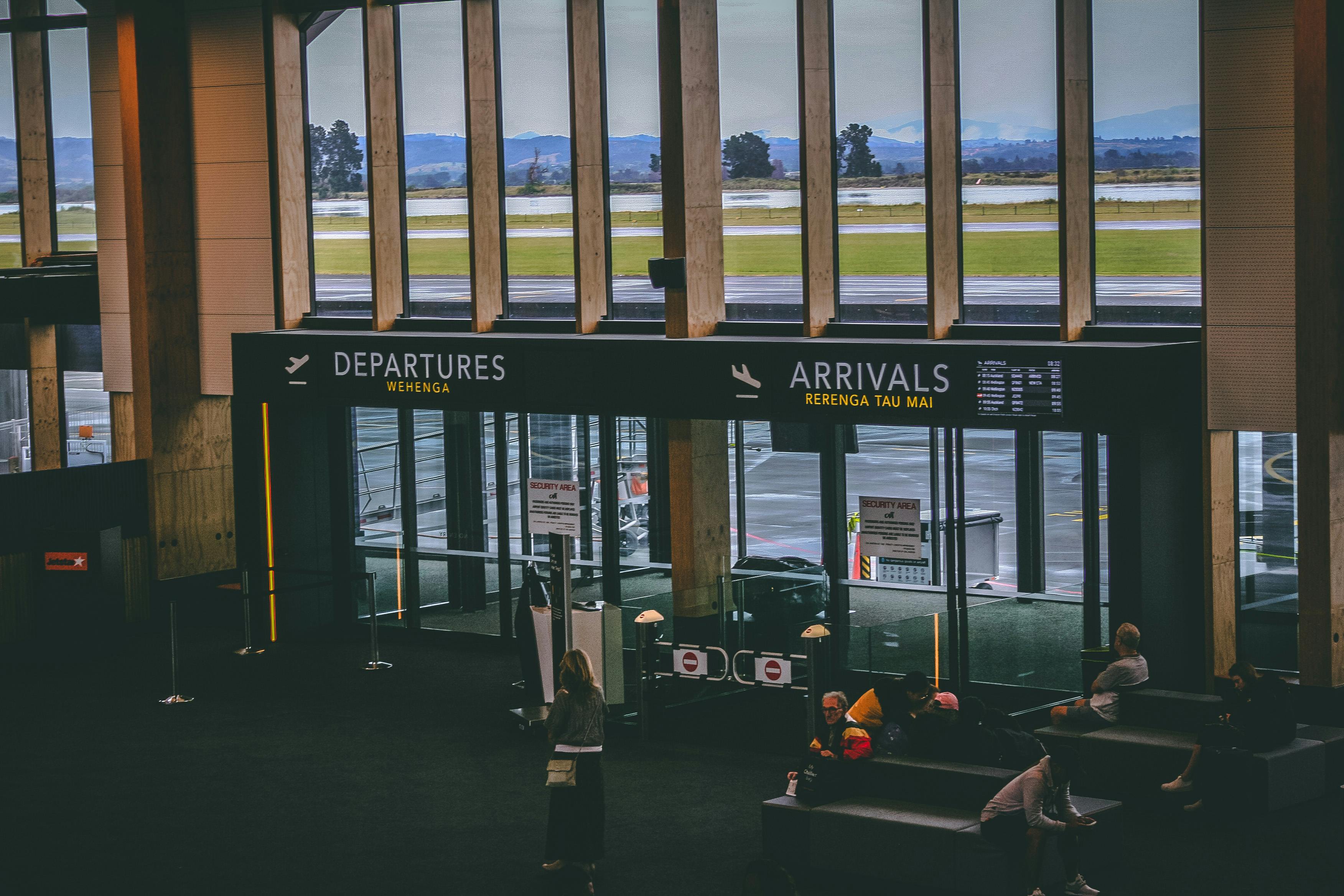
Most lounge benefits come with limits that aren't obvious from the marketing: a capped number of visits per year before a per-visit fee kicks in, a limited number of free guest entries (sometimes zero, sometimes unlimited, most commonly two), and occasionally capacity restrictions during peak travel times where a lounge can turn away cardholders once it's full, even with a valid membership. Traveling with a family of four on a card that includes only two free guests can turn what looked like a free perk into an unexpected $100+ charge at the door.
A number of premium cards include a membership to a broad, multi-airline lounge network that spans hundreds of airports worldwide, which is often more broadly useful than a bank's own branded lounges since it isn't limited to a handful of major hubs. These network memberships vary between offering unlimited visits and offering a capped number of visits per year, and restaurant credits at participating airport restaurants have become a common substitute at airports without an actual lounge in the network.
If a card's annual fee is largely justified by lounge access, it's worth estimating realistic annual usage: how many trips you take through airports where you'd actually use the benefit, multiplied by a reasonable per-visit value (often estimated around $30-50 based on what a comparable day pass costs when purchased directly). A frequent traveler flying through major hub airports monthly gets dramatically more value from the same card than someone who flies twice a year through a smaller airport with no lounge access at all.
Whether an authorized user on the account also receives lounge access varies significantly by card and network, and this detail is easy to miss when comparing cards for a household that travels together. Some cards extend full lounge benefits to every authorized user at no extra cost, while others limit it to the primary cardholder only or charge an additional fee per authorized user for the same benefit — worth confirming directly before assuming a spouse or family member is automatically covered.
Aisha travels for work roughly ten times a year through major hub airports and holds a premium travel card whose annual fee is largely offset by an unlimited-visit network lounge membership. Estimating a conservative $35 value per visit and roughly 18 total lounge visits a year (including some multi-leg trips), she calculates around $630 in annual value from the benefit alone, comfortably justifying the card's annual fee even before factoring in any other perks.
Her neighbor Dov travels twice a year, mostly through a smaller regional airport with no lounge in his card's network at all, and pays the same annual fee for a similar card. He realistically gets almost no value from the lounge benefit specifically, since the airports he actually flies through aren't served by it — a reminder that lounge access is only valuable if it exists where you actually fly, not just in the abstract.
Assuming lounge access is unlimited and guest-inclusive without checking the specific visit cap and guest allowance for your card. Choosing a card for its lounge network without checking whether that network actually has locations at the airports you fly through most. Forgetting that authorized users may not automatically get the same access as the primary cardholder. And justifying an annual fee based on lounge access alone without realistically estimating how many times a year you'd actually use it.
Check exactly which lounge network(s) your card includes and confirm they have locations at airports you actually fly through.
Note the specific visit cap and guest allowance rather than assuming unlimited access.
Estimate realistic annual usage and a reasonable per-visit value to see if it justifies the card's annual fee.
Confirm whether authorized users on your account receive the same access before assuming they do.
Have a backup plan (a restaurant credit or a day-pass purchase) for airports outside your card's network.
Lounge access can be a genuinely valuable perk, but only at airports where your specific card's network actually operates, and only within the visit and guest limits that come with it. Check the real details against your actual travel pattern before counting on it to justify a card's annual fee.
This article is for general educational purposes and isn't personalized financial advice. Lounge network availability, visit limits, and guest policies vary by card and change over time; confirm current terms directly with your issuer.
Join the newsletter your bank hates and your wallet loves.
No spam. Unsubscribe anytime.