
A handful of credit cards will still refund you the difference if something you bought drops in price soon after you buy it. Here's how the benefit works in 2026, which cards still offer it, and how to file a claim that doesn't get denied.

You buy a laptop for $1,200. Three weeks later it goes on sale for $1,050. Most people just shrug and eat the loss, but a handful of credit cards will actually send you the $150 difference if you know the benefit exists and file the claim the right way. It's called price protection, and it's one of the quietest, least-used perks left on any rewards card in 2026.
Price protection reimburses you if you find a lower advertised price on the exact same item within a set window after you buy it, typically 60 to 120 days. It's different from a store's own price-match policy, which only applies at checkout, before you've paid. Price protection kicks in after the sale, which is exactly the moment most people assume they're stuck with the price they paid.
The benefit had a rough stretch in the late 2010s and early 2020s. Visa, Mastercard, Chase, and Citi all quietly dropped it from most consumer cards, citing low usage and high claim-processing costs. But it never fully disappeared. A smaller group of premium and mid-tier cards kept it alive, and a few issuers have actually reintroduced light versions of it in the last two years as a way to differentiate a crowded rewards market.
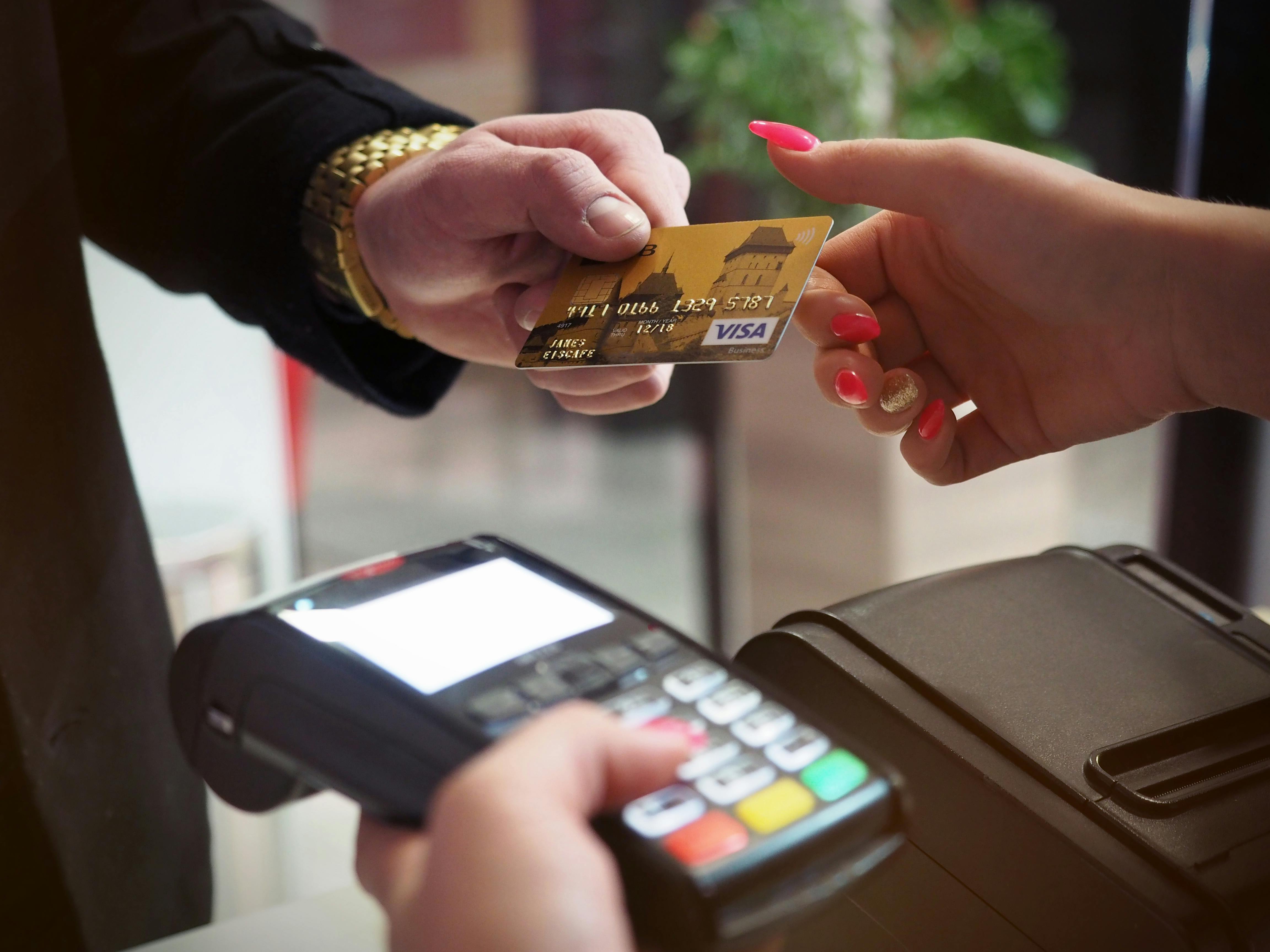
Coverage varies by issuer and sometimes by the specific card within an issuer's lineup, so always confirm current terms in your cardholder guide rather than assuming last year's benefit still applies. As of 2026, price protection tends to show up most reliably on certain co-branded retail cards, some regional bank premium cards, and a few small business cards aimed at owners who make a lot of equipment and supply purchases. General-purpose no-annual-fee cards almost never carry it anymore, so if this benefit matters to you, it's usually the trade-off for paying an annual fee somewhere.
The fine print usually matters more than the headline benefit. Claim caps commonly run $250 to $500 per item and $1,000 to $2,500 per year. Some cards exclude clearance items, auction purchases, and anything bought secondhand. Almost all of them require the lower price to be found in a printed ad, a competitor's website, or the same retailer's own site, not a marketplace listing from an individual seller.
The biggest reason people miss out isn't that the benefit doesn't exist. It's that they never go looking for the price drop, and if they do notice one, they don't have their documentation in order. A workable habit: whenever you make a purchase over roughly $100 with a card that has price protection, set a phone reminder for 30 and 60 days out to do a two-minute price check.
When you do find a lower price, you'll typically need four things: your original receipt or card statement showing the purchase, a screenshot or printed copy of the lower price with the date visible, the exact model number or SKU matching your item, and the claim form from your card's benefits administrator (usually a third party like Card Benefit Services, not the bank itself). Claims get denied most often because the item wasn't identical, the lower price wasn't from a source that qualifies, or the claim was filed after the window closed.
Darnell bought a robot vacuum for $649 in early March using a card that offers price protection with a $500 per-claim cap and a 90-day window. He set a reminder for late April to check prices. Sure enough, the same model dropped to $499 during a spring sale. He submitted his original receipt, a screenshot of the sale price with the date stamped, and the claim form, and received a $150 reimbursement about three weeks later, deposited directly rather than credited to his statement.
His sister-in-law, Priya, bought a stand mixer for $380 on the same kind of card. She noticed a $60 price drop about five weeks later but didn't get around to filing until month four, past the 90-day window. Her claim was denied for being late, even though every other document was in order. The difference between Darnell getting $150 back and Priya getting nothing wasn't the benefit itself. It was a reminder on a calendar.
The most common mistake is assuming every card that once had price protection still has it. Terms change, sometimes with no direct notice beyond a line in an updated cardholder agreement, so a benefit you read about years ago may already be gone. A close second is confusing price protection with a store's own price-match guarantee, and trying to invoke one when you actually qualify for the other. A third is losing the original receipt, since a card statement alone often isn't specific enough to satisfy the claims administrator. A fourth is buying something on clearance or during a doorbuster sale and expecting price protection to apply, when most policies specifically exclude those categories.
Check your current card's guide to benefits (not an old blog post) to confirm whether price protection is still active and what the claim window and caps are. Save digital copies of receipts for any purchase over $100 in a dedicated folder or email label. Set a recurring reminder at the 30-day and 60-day marks after a large purchase to spot-check pricing. When you find a drop, gather your documentation and file the same day rather than waiting, since claims windows are calculated from the purchase date, not the date you noticed the discount.
Price protection is a shrinking but real benefit, and on the cards that still carry it, it can quietly refund real money on purchases you'd otherwise just chalk up as bad timing. The people who actually collect on it aren't the ones with the fanciest card. They're the ones with a habit of checking back and a folder full of receipts.
This article is for general informational purposes and isn't financial advice. Card benefits, terms, and claim windows change frequently and vary by issuer and specific card product, so confirm current details directly with your card's guide to benefits before relying on any figure mentioned here.
Join the newsletter your bank hates and your wallet loves.
No spam. Unsubscribe anytime.