
Trip delay coverage, rental car protection, lost luggage reimbursement — many cards already include travel insurance you're not using. Here's what's actually covered in 2026.

You booked the flight on your credit card, which means you might already own an insurance policy you've never heard of. No premium, no application, no waiting period — it's bundled into the card you're already carrying, and most people never file a claim because they don't know it exists.
Travel insurance built into credit cards has quietly gotten better as issuers compete for premium cardholders, but coverage varies wildly from card to card, and the fine print decides whether a claim gets paid or denied. Here's what's typically covered in 2026, what isn't, and how to actually use it.

Most mid-tier and premium travel rewards cards bundle some combination of trip delay reimbursement, trip cancellation/interruption insurance, baggage delay coverage, lost luggage reimbursement, and a rental car collision damage waiver. A handful of premium cards also include emergency medical evacuation coverage, which matters more than everything else combined if something goes seriously wrong far from home.
Trip delay coverage typically kicks in once your flight is delayed 6 or 12 hours (the threshold varies by card) and reimburses meals, toiletries, and a hotel room up to a set daily cap. Baggage delay coverage works similarly — if your bag doesn't show up within a set number of hours, the card reimburses reasonable purchases like clothes and toiletries while you wait.
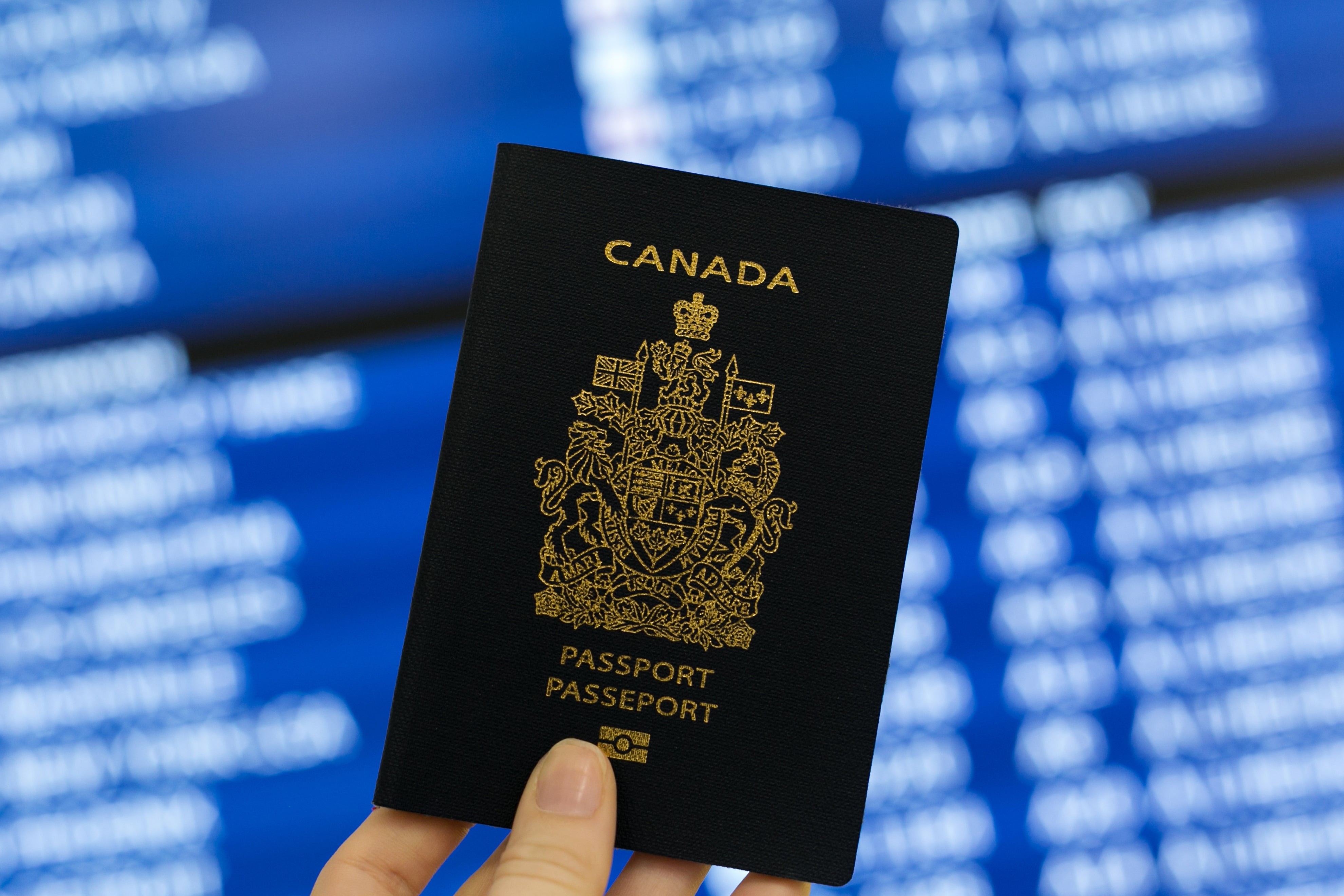
Rental car collision damage waiver (CDW) through a credit card can save renters $15–$30 a day compared to the rental company's own insurance add-on, and many cards offer it automatically as long as you decline the rental company's collision waiver and pay for the full rental with that card. The catch: most credit card rental coverage is secondary, meaning it only pays out after your personal auto insurance policy has paid its share, unless you specifically hold a card with primary rental coverage.
Pre-existing medical conditions, cash lost or stolen, valuables like jewelry or electronics above a fairly low cap, and cancellations for reasons not on the card's specific covered list (a vague "I changed my mind" doesn't qualify — it typically has to be illness, a death in the family, severe weather, or a small number of other named reasons). Adventure sports injuries and coverage for one-way rentals are also commonly excluded, so read your specific card's guide to benefits before assuming you're protected.
Daniel and his sister Priya flew to Lisbon for a week and their connecting flight got cancelled overnight, stranding them in Newark. Daniel's card had a 6-hour trip delay benefit that reimbursed up to $500 per traveler for meals and a hotel room, so the two of them submitted receipts for a $140 airport hotel and $65 in dinner and breakfast and got reimbursed within three weeks. On the same trip, Priya's rental car got a cracked windshield from a gravel road, and because she'd paid for the rental with a card that included primary CDW and had declined the rental company's own waiver, the $380 repair was covered directly with no claim against her personal auto policy at all. Between the two benefits, they recovered roughly $585 they would have otherwise eaten — from perks that cost them nothing extra to have.
The biggest mistake is not paying for the entire trip or rental with the qualifying card — most benefits require the full cost of the flight, hotel, or rental to be charged to that specific card, not just a deposit. A close second is accepting the rental company's own collision waiver at the counter, which usually voids the credit card's benefit entirely since you can't stack two waivers. People also miss filing deadlines: many cards require a claim to be filed within 60 or 90 days of the covered event, and evidence like boarding passes, receipts, and a written explanation from the airline showing the delay reason all need to be submitted together.
Before your next trip, pull up your card's "guide to benefits" document (issuers are required to provide one, usually found in the cardholder online portal) and note the trip delay threshold, the claim filing window, and whether rental coverage is primary or secondary. Charge the full cost of transportation and lodging to the card with the best coverage, keep digital copies of every receipt during the trip, and if something goes wrong, call the benefits administrator (a separate number from the card's customer service) within the first few days rather than waiting until you're home.
Credit card travel insurance isn't a replacement for a dedicated travel insurance policy if you're taking an expensive, non-refundable trip or traveling somewhere with limited medical care, but for ordinary domestic and international travel, it's often free coverage that goes completely unused. If you're deciding between cards for an upcoming trip, it's worth comparing the built-in protections the same way you'd compare transfer partner value or a card's foreign transaction fee policy — it's part of what you're actually getting for the annual fee.
This article is for general educational purposes and isn't financial or insurance advice. Coverage terms vary by card issuer and can change; always confirm current benefits directly with your card's guide to benefits or benefits administrator before relying on them.
Join the newsletter your bank hates and your wallet loves.
No spam. Unsubscribe anytime.