
Between food, vet visits, and emergency care, pet costs have climbed sharply. Here's how to trim the bill without cutting corners on your pet's health.

The vet visit that was supposed to be a routine checkup turns into $380 for bloodwork you didn't expect, and suddenly you're doing the math on whether pet ownership has quietly become one of your biggest monthly expenses. It has, for a lot of households: food, routine care, and the occasional emergency now regularly add up to well over a hundred dollars a month per pet, and that's before anything goes seriously wrong.
Most pet budgets get eaten by three categories: food, routine veterinary care, and the unpredictable emergency visit. Food costs have climbed steadily as premium and prescription diets have become more common recommendations from vets. Routine care, checkups, vaccines, and preventives for fleas and heartworm, is fairly predictable and budgetable. Emergencies are the wildcard, and they're the reason so many pet owners either go into debt or delay care they know their pet needs.
Pet insurance works best as a hedge against the expensive, unlikely event, not as a way to make routine visits cheaper. Most plans reimburse a percentage of covered costs after a deductible, and the math tends to favor younger, healthy pets who enroll before any conditions exist, since pre-existing conditions are almost universally excluded. If your pet is already older or has a known condition, a dedicated vet emergency fund often makes more sense than a policy that won't cover the thing you're most worried about.
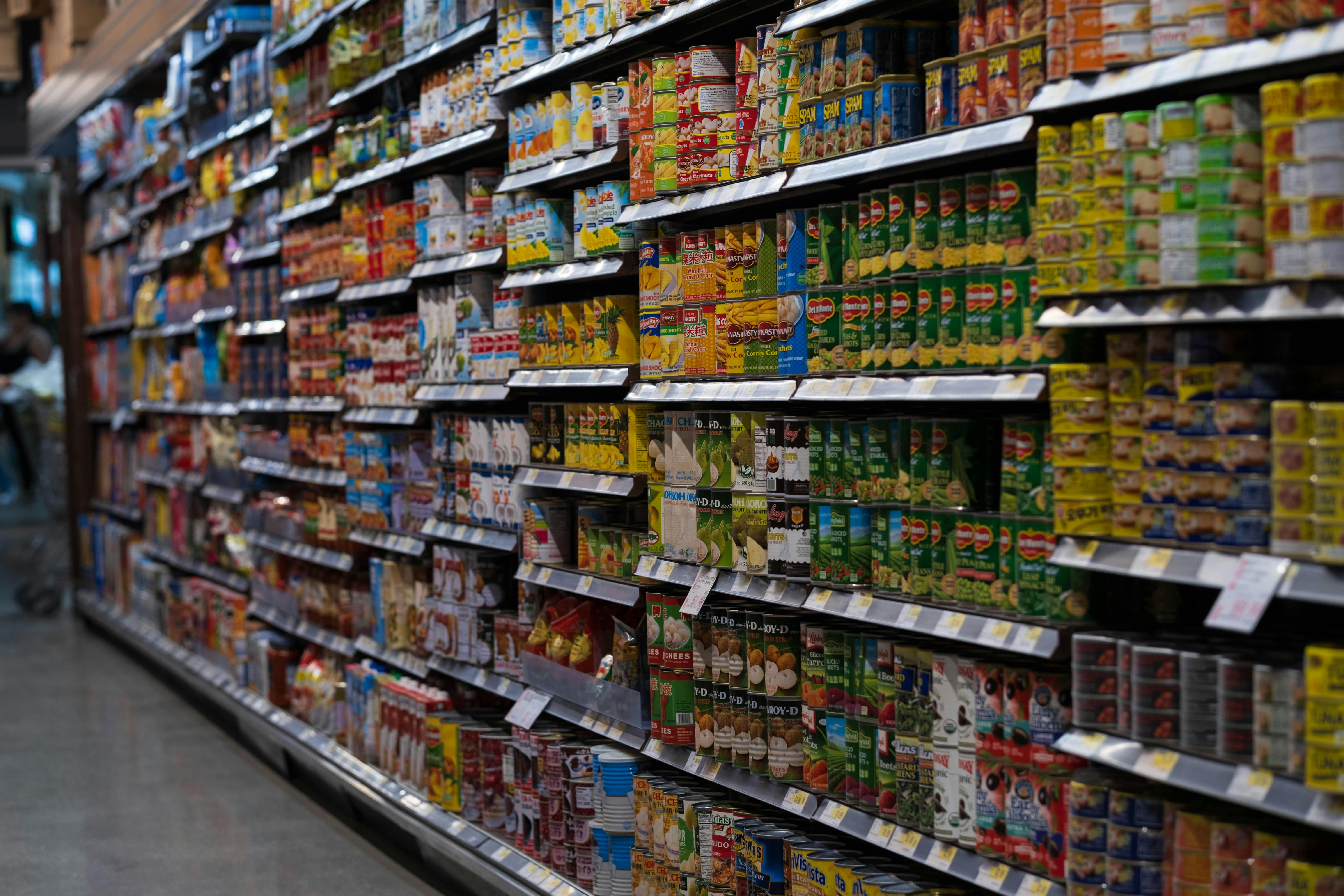
Buying food in bulk from a warehouse club or in larger bags online usually brings the per-pound cost down meaningfully compared to small bags from a pet specialty store, as long as you have somewhere airtight to store it so it doesn't go stale before you finish it. Subscribing through a retailer's auto-ship program typically knocks another five to ten percent off, and many let you adjust the delivery schedule if your pet is eating less than expected. Switching brands to save money is usually not worth the risk of digestive upset; if cost is the issue, look for a lower-priced formula within the same brand line your vet already approves of, rather than switching brands entirely.

Many veterinary practices offer wellness plans that bundle routine visits, vaccines, and preventives into a monthly payment, which can be cheaper than paying per visit if your pet needs several routine services a year. It's also worth asking directly whether a lower-cost generic exists for any prescribed medication; many common pet prescriptions have direct human-pharmacy equivalents at a fraction of the veterinary markup. Comparing prices between your regular vet and a local low-cost vaccine clinic for routine, non-diagnostic services can also save real money without any change in quality of care.
Jamal and his partner adopted a two-year-old lab mix and were paying about $210 a month between food, a monthly flea and heartworm preventive, and an annual checkup. They switched to buying food in 30-pound bags through an auto-ship subscription, which cut the food line from $75 to $58 a month. They also enrolled in a $28-a-month accident-and-illness pet insurance policy while their dog was still young and had no pre-existing conditions. Eight months later, their dog tore a ligament that required $3,400 in surgery; after their deductible and 80% reimbursement rate, the insurance paid back $2,560, meaning the $224 they'd paid into the policy so far effectively saved them over $2,300 out of pocket.
The biggest mistake is buying pet insurance only after a pet is already older or shows early signs of a condition, since insurers will typically exclude anything that predates the policy. Another is skipping preventive care to save money in the short term, which often leads to a far more expensive emergency later. Pet owners also frequently underestimate how much emergency vet visits cost when they're away from their regular clinic, where prices and unfamiliarity with the pet's history both push costs higher. And plenty of people switch to a cheap food on their own without checking with a vet first, which can trigger the very digestive or health issues that lead to an expensive visit.
Get quotes for accident-and-illness pet insurance while your pet is young and healthy, even if you don't enroll immediately, so you know the real cost. Set up an auto-ship subscription for food in the largest size you can properly store to capture the bulk discount. Ask your vet directly whether a generic version exists for any regular prescription before filling it at the standard price. Consider a dedicated emergency savings fund of at least $1,000 to $2,000 specifically for vet costs, separate from your general emergency fund. Compare a wellness plan against your pet's actual visit history from the past year to see if bundling routine care would save money.
Pet costs are real and rising, but the households that manage them best aren't necessarily spending less, they're spending more predictably: insurance or a dedicated fund for the emergency, bulk buying for the routine, and a habit of asking their vet directly about lower-cost options before assuming there aren't any.
This article is for general educational purposes only and is not veterinary or financial advice. Consult your veterinarian about your pet's specific health and dietary needs, and review any insurance policy's terms carefully before enrolling.
Join the newsletter your bank hates and your wallet loves.
No spam. Unsubscribe anytime.