
Delivery fees, pickup subscriptions, and markup pricing all cut into grocery savings differently. Here's how to figure out which option actually costs less for your household.

Grocery delivery apps love to advertise how much time they save you, and they're not wrong. What they don't put on the homepage is that between delivery fees, service fees, markup pricing on individual items, and tip creep, a $120 grocery run can quietly become a $165 one before you've noticed. But that doesn't mean delivery or pickup is always the wrong call, it just means the math is more complicated than "subscribe and save."
Most delivery and pickup services charge you in at least one of three ways: a flat delivery or pickup fee per order, a membership subscription that waives that fee, or a markup on the items themselves compared to walking the same aisle in person. Some do all three. The membership model, often priced around $10-$14 a month or $99-$130 a year, only pays for itself if you order often enough that the waived per-order fees exceed the subscription cost, and item markups can erase a chunk of the savings even then.
Pickup is almost always cheaper than delivery when both are offered by the same store, since you're providing the last leg of transportation yourself. A typical pattern in 2026 is free or low-cost pickup with a minimum order size, versus a $7-$12 delivery fee plus a service fee and suggested tip on top. If your main goal is saving money rather than saving every minute, pickup with a subscription that waives the pickup fee is usually the better deal than paying per-delivery.
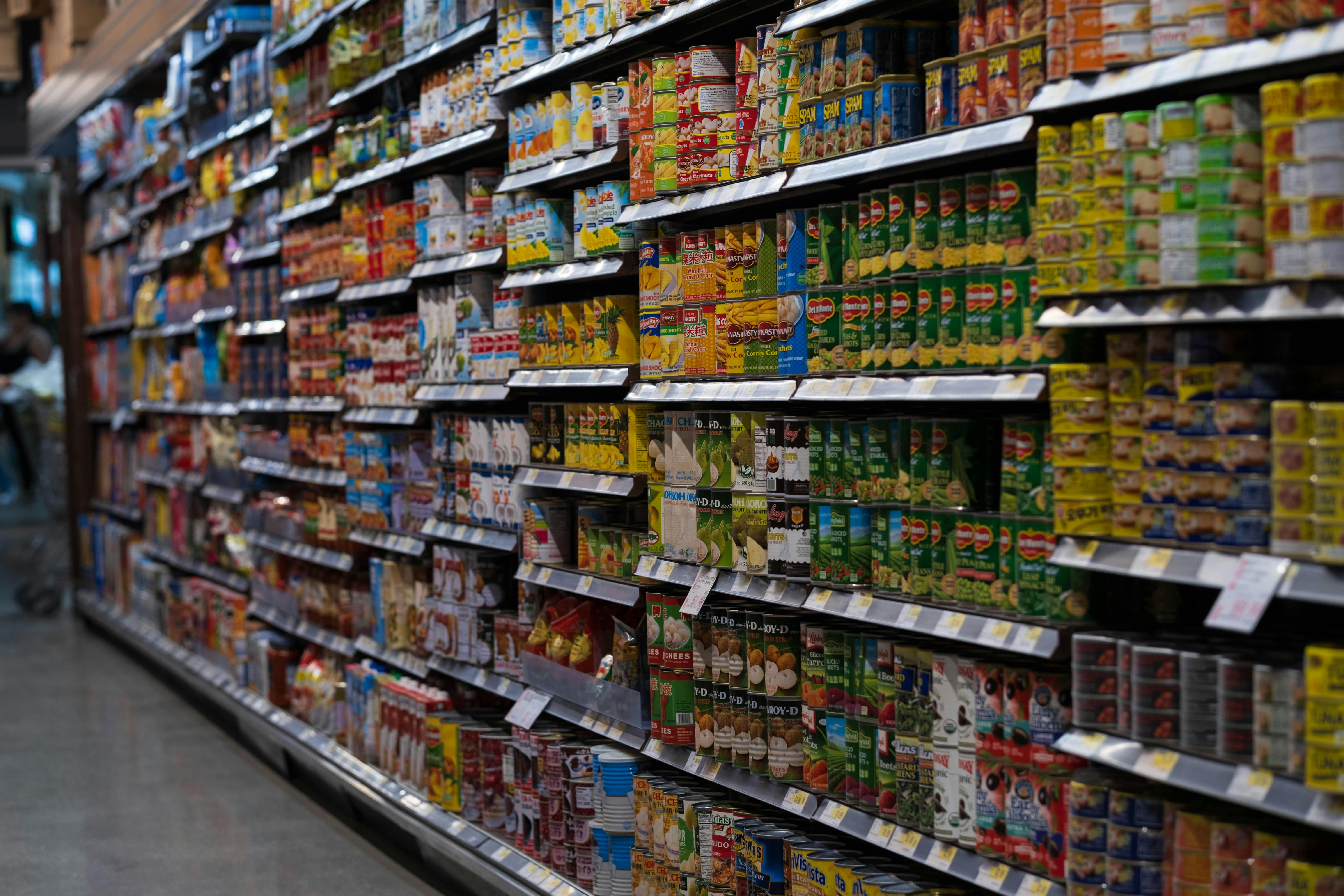
In-store shopping remains the cheapest option on a pure dollars basis for most people, mainly because you can see sale signage, compare unit prices directly, and aren't paying for someone else's time or gas. The tradeoff is your own time, which has real value too, so this isn't purely a math question for everyone.
Several major grocery apps price items 5-15% higher than the same items cost in the physical store, even when a membership waives the delivery fee entirely. This is easy to miss because most people compare the final total to what they expect to pay, not item-by-item to a receipt from the same store. Over a year of weekly orders, a 10% markup on a $150 average order works out to roughly $780 in extra spending, more than most annual membership fees on its own.
The way to catch this is to pick two or three staple items you buy every week, like milk, eggs, or a specific brand of coffee, and compare the app price to the shelf price on your next in-store trip. If there's a meaningful gap, that markup is working against any fee savings the subscription is giving you.

A delivery or pickup subscription tends to make sense for households that order at least once a week, live somewhere delivery fees run high, and don't have time for a full in-store trip most weeks. It tends to not make sense for people who order once or twice a month, since the annual membership fee often exceeds what they'd have paid in occasional per-order fees. It's worth comparing your actual order frequency over the last three months, not your intended frequency, since most people order less often than they think once the novelty wears off.
Marcus and his partner order grocery delivery about three times a week for a household of four, averaging $140 per order. Without a subscription, they'd pay a $9 delivery fee plus a $3 service fee per order, roughly $12, which comes to about $1,872 a year in fees alone. A $129 annual membership that waives both fees saves them over $1,700 a year even before accounting for any item markup, making the subscription an easy yes for their ordering pattern.
Diana orders delivery only when she's traveling for work or feeling overwhelmed, roughly six times a year, and otherwise shops in person. At $12 per order in fees, that's $72 a year in delivery costs without a subscription. A $129 membership would cost her more than paying per-order, so she skips it and instead uses pickup, which her store offers free with no minimum, for the handful of times a year she needs it.
One common mistake is signing up for an annual membership based on how often you'd like to order rather than how often you actually have over the past several months, which is almost always a lower number. Another is not checking item-level markup at all, assuming the subscription fee is the only cost being compared. A third is forgetting that tips on delivery orders are a real, recurring cost that doesn't show up in the advertised delivery fee and can add another 10-15% to every order. And a fourth is sticking with whichever app you started with out of habit, even when a competing service in your area charges meaningfully less for the same stores.
Start by pulling up your last three months of grocery app orders and counting how many times you actually placed one, not how many times you meant to. Multiply that count by the per-order fee you'd pay without a membership, and compare that total to the annual subscription price. Separately, spot-check two or three staple items against in-store shelf prices to see whether markup is eating into any fee savings. Finally, if you do subscribe, set a calendar reminder near the renewal date to redo this math, since your ordering habits and the app's fee structure both tend to drift over a year.
Grocery delivery and pickup subscriptions can be a genuinely good deal, but only for households that order often enough and live somewhere fees run high enough that the membership beats paying per-order. For everyone else, a mix of occasional pickup and regular in-store trips, where you can also catch sales and compare unit prices directly, usually costs less. The habit worth building either way is checking your actual order history against the fee math every few months, rather than assuming last year's decision still holds.
This article is for general informational purposes only and does not constitute financial advice. Fees, membership pricing, and item markups vary by retailer and region and change frequently — confirm current pricing directly with the service before subscribing.
Join the newsletter your bank hates and your wallet loves.
No spam. Unsubscribe anytime.