
Missed a credit card payment by a day or two? You can often get the late fee — and sometimes the interest — reversed with one polite phone call. Here's exactly what to say and when it works.

You opened your credit card app, saw a red banner, and your stomach dropped: "Payment past due. Late fee: $32." Maybe the autopay didn't go through, maybe you were traveling, maybe the due date just slipped your mind. It happens to almost everyone at some point. The good news is that a first-time late fee is one of the easiest charges in personal finance to get reversed, and most people never even ask. This guide walks you through why issuers say yes, exactly what to say on the phone, and how to make sure a late fee never turns into something worse.
You may remember headlines about a federal rule that would have capped most credit card late fees at $8. That rule was struck down in court in 2025 and never took effect, so in 2026 most big issuers are still charging late fees in the neighborhood of $30 for a first slip and around $40 or more if it happens again within six months. On top of that, a missed payment can trigger a higher "penalty APR" on some cards and, if it goes 30 days past due, a negative mark on your credit report.
That's why it's worth understanding the difference between a late fee and a late payment report. The fee hits the moment you miss your due date. The credit report damage generally doesn't happen until you're a full 30 days late. We break down that timeline in detail in How Many Days Do You Really Have Before a Late Credit Card Payment Hurts Your Score?, but the short version is: if you catch it within a few days, you're usually only dealing with the fee.
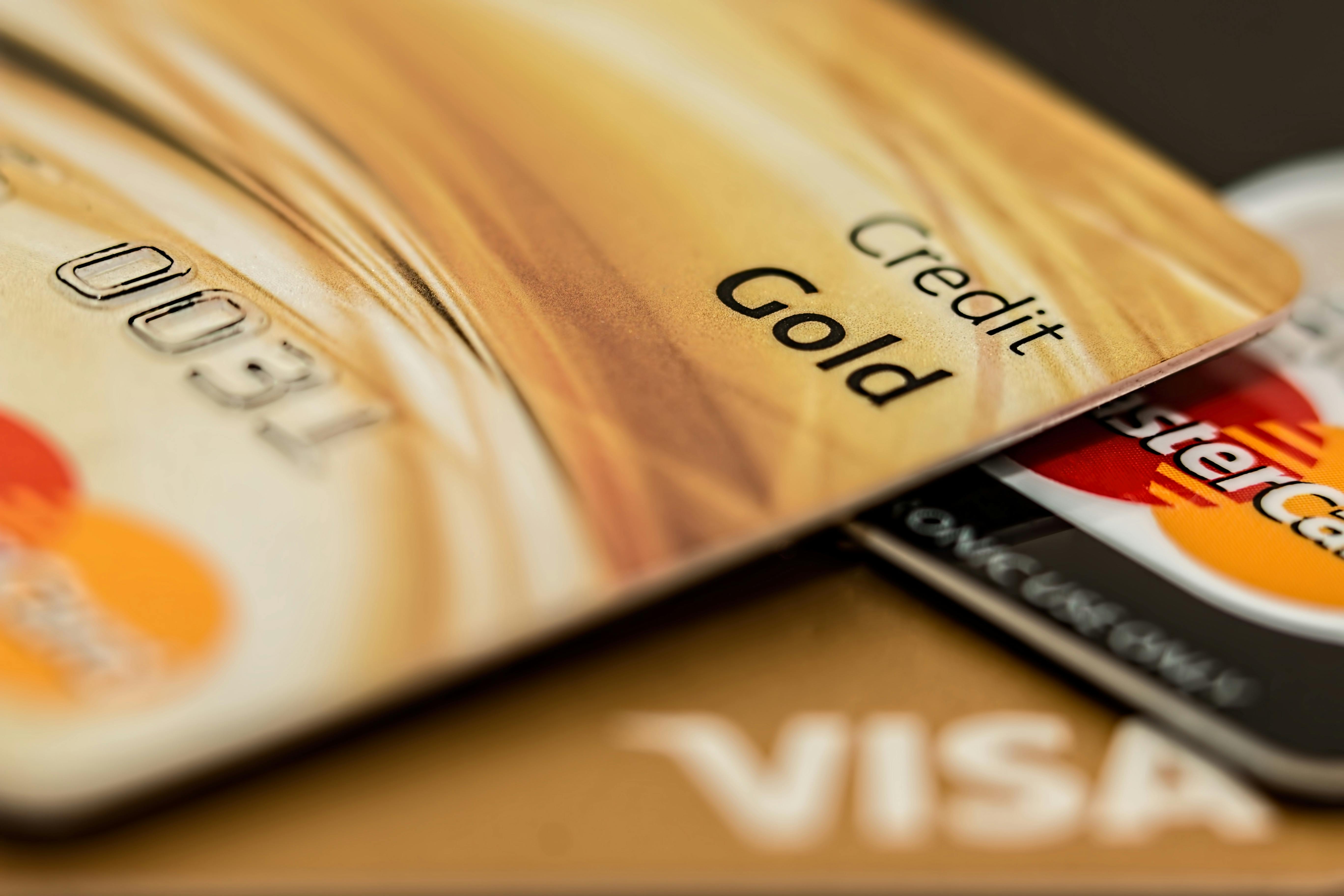
It might feel strange that a bank would hand back money it's legally allowed to charge. But from the issuer's point of view, it's simple math. A customer who pays on time month after month, and maybe carries a balance now and then, is worth far more than $32. Annoying that customer over a one-time mistake risks them moving their spending to a competitor's card.
Most issuers give their phone and chat reps some discretion to waive a fee as a "courtesy adjustment," especially when:
You have a history of on-time payments (a year or more is ideal)
You've already paid, or you're paying right now during the call
It's the first late fee in the last 12 months
You ask politely and don't argue about whether the fee is fair
This is the same logic behind retention offers, which we cover in Credit Card Retention Offers: How to Get Paid to Keep a Card in 2026. Issuers will often spend a little to keep a good customer happy.
You don't need to be clever. You need to be clear, calm and brief. Here's a script that works for most major issuers:
"Hi, I noticed I was charged a late fee on my account this month. I've been a customer for [X years] and I've always paid on time, but my payment didn't go through this cycle. I've just made the payment in full. Would you be able to waive the late fee as a one-time courtesy?"
That's it. Then stop talking and let the rep respond. A few tips that make a real difference:
Pay first. Make at least the minimum payment before you call, ideally the full statement balance. It shows good faith and gives the rep an easy reason to approve.
Mention your history. Reps often see your payment record on screen, but saying it out loud frames the conversation.
Ask about interest, too. If you normally pay in full and the late payment caused you to lose your grace period, you may see interest charges next month. Ask, "Would you also be able to reverse any interest that posts because of this?"
Use secure chat if you hate the phone. Many issuers' apps now let you request fee reversals through chat, and some even have an automated "request a fee waiver" button.
Sometimes the first rep can't or won't help. You still have options:
Ask politely if there's anything else they can do, like a partial credit or a note on your account.
Hang up and try again later. Different reps have different levels of discretion. This isn't gaming the system; it's normal.
Ask for a supervisor if you've got a strong case, such as a long on-time history or a clear bank or autopay error.
Check if you qualify for hardship help. If the late payment happened because of job loss, illness or a family emergency, ask about a hardship program. These can sometimes lower your APR or pause fees temporarily.
If you're repeatedly running late because you're juggling multiple balances, it might be time to look at consolidating. A balance transfer card or a debt consolidation loan can turn several due dates into one.
Priya has had her cash back card for four years and has never missed a payment. In March 2026, she switched checking accounts and forgot to update her autopay. Her $640 payment bounced, and three days later she saw a $32 late fee.
Priya logged in, paid the full $640 from her new account, then opened the issuer's chat. She wrote: "I switched banks and my autopay failed. I've just paid the full balance. I've been a customer for four years with no late payments. Could you waive the $32 late fee as a courtesy?" Within five minutes, the rep credited $32 back. Priya also asked about interest; the rep added a note so any interest from the lost grace period would be reversed, which turned out to be another $11.40 the next cycle. Total saved: $43.40 for about ten minutes of effort.
Jamal is in a different spot. He has two cards and has been late four times in the past year, usually by a week or two. When he called about his latest $41 fee, the rep declined, pointing to his recent history. Jamal hadn't been 30 days late yet, so his credit score was fine, but he'd paid roughly $150 in late fees over the year. Instead of fighting each fee, Jamal set up autopay for the minimum payment on both cards and moved his due dates to the week after his paycheck lands. Six months later he had zero new fees, and when a new rep saw his improved history, they agreed to waive a later fee from a one-off slip.
Waiting too long to call. The sooner you ask, the easier it is. Once a payment hits 30 days late, the fee is the least of your problems, and reps have much less room to help.
Calling before you've paid. Asking for a waiver while still owing the past-due amount is a much weaker position.
Getting combative. Arguing that the fee is unfair or threatening to cancel rarely helps on a first request. Polite and matter-of-fact wins.
Expecting it every time. Most issuers treat this as a once-a-year courtesy. If you rely on it repeatedly, expect more no's.
Forgetting about the interest. A single late payment can wipe out your grace period and lead to interest charges the following month. Always ask about that too.
Ignoring the root cause. If lateness keeps happening, the fix is a system, not a string of phone calls.
Pay the past-due amount right away, ideally the full statement balance.
Call or chat with your issuer using the script above, mentioning your on-time history.
Ask about both the fee and any resulting interest.
Set up autopay for at least the minimum payment so this never happens again. Our guide to automating your bills walks through how to do this safely.
Move your due date to a few days after payday if your issuer allows it. Most do.
Turn on due-date alerts in your card's app, by text or email.
Consider a card with gentler late-fee policies next time you apply. Some no-annual-fee cards waive the first late fee automatically or don't charge a penalty APR.
A one-time late fee is one of the most forgivable mistakes in personal finance. Pay what you owe, reach out quickly, mention your good history and ask politely. Most people with a solid track record get the fee reversed on the first try. Then put guardrails in place, like autopay and alerts, so you're not relying on a rep's goodwill next time. The real goal isn't just getting $32 back; it's making sure a late payment never gets anywhere near the 30-day mark where it can dent your credit.
This article is for informational purposes only and does not constitute financial advice. Card issuer policies on fee waivers vary and can change at any time. Always review your card's terms and contact your issuer directly for details specific to your account.
Join the newsletter your bank hates and your wallet loves.
No spam. Unsubscribe anytime.