
A basic pair of glasses can cost $400 at the eye doctor's office and $95 online with the exact same prescription. Here's how to cut the real cost of seeing clearly without cutting corners on your eyes.

You walk out of the eye doctor's office with a prescription and a bill for $420 for a basic pair of glasses, frames and lenses included, and it barely registers as strange because that's just what glasses cost, right? It isn't. The same prescription, the same lens coatings, filled by an online retailer instead of the in-office optical shop, often runs $70 to $120. The markup on eyewear is one of the biggest gaps between "what it costs to make" and "what you're charged" in everyday healthcare spending, and most people never bother to close it.
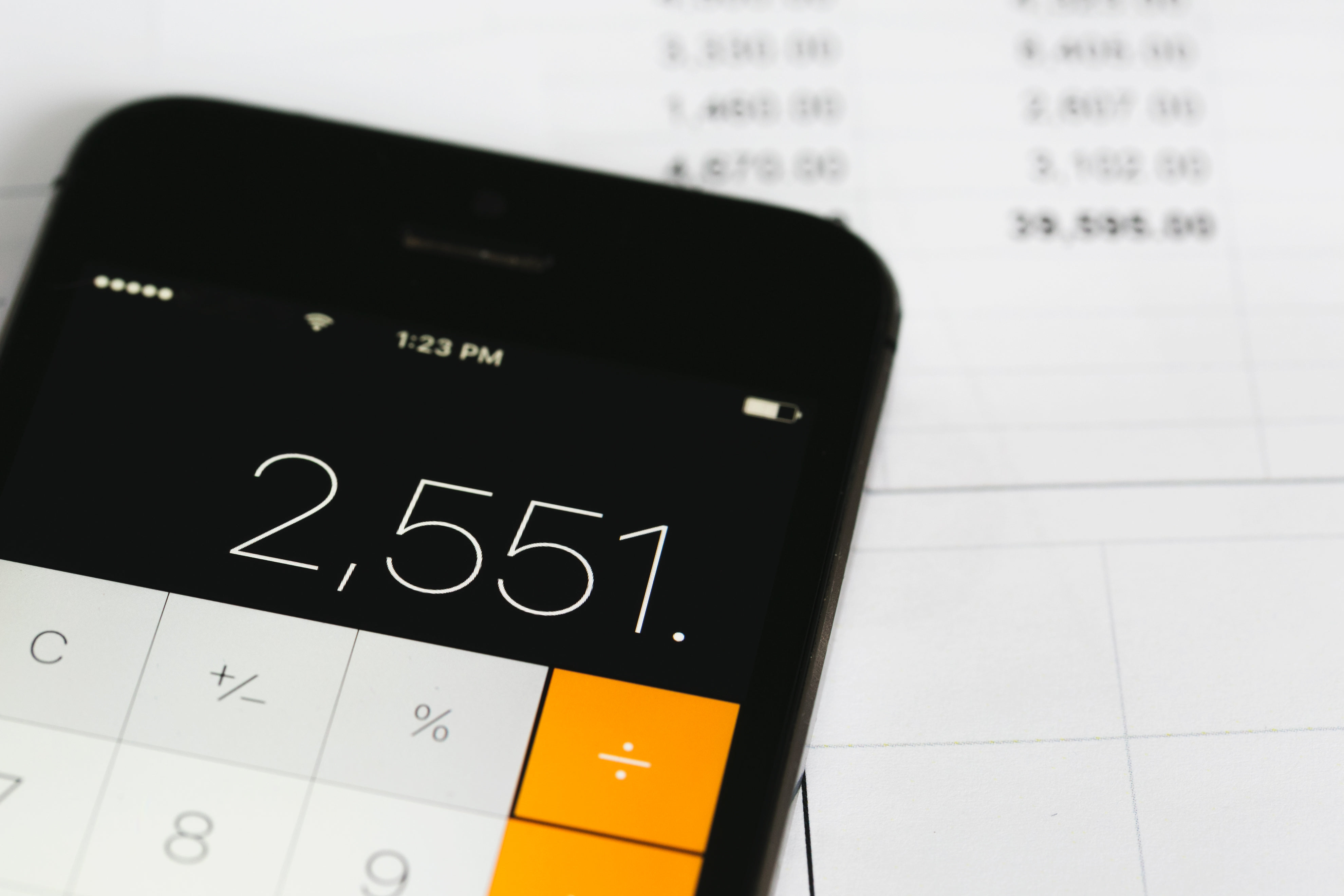
A handful of large companies control a huge share of both eyewear brands and the retail optical chains that sell them, which means there's less price competition than the sheer number of storefronts would suggest. In-office optical shops also carry real overhead, rent, staff, and the eye exam itself, that gets baked into frame and lens pricing even though the exam is billed separately. None of that is a scam exactly, but it does mean the sticker price at the exam counter is rarely the best price available for the identical product.
By law in the US, your eye doctor has to give you a copy of your prescription after the exam, whether or not you buy glasses from them, and that prescription is valid at any retailer. The strategy that saves the most money is simply splitting the two purchases: pay for the exam (often covered partly or fully by vision insurance), then take the prescription to an online retailer or a warehouse-club optical department for the actual glasses. Reputable online sellers let you enter your pupillary distance (measure it yourself with a ruler or ask the exam office for the number) and will remake a pair for free if the fit is off.
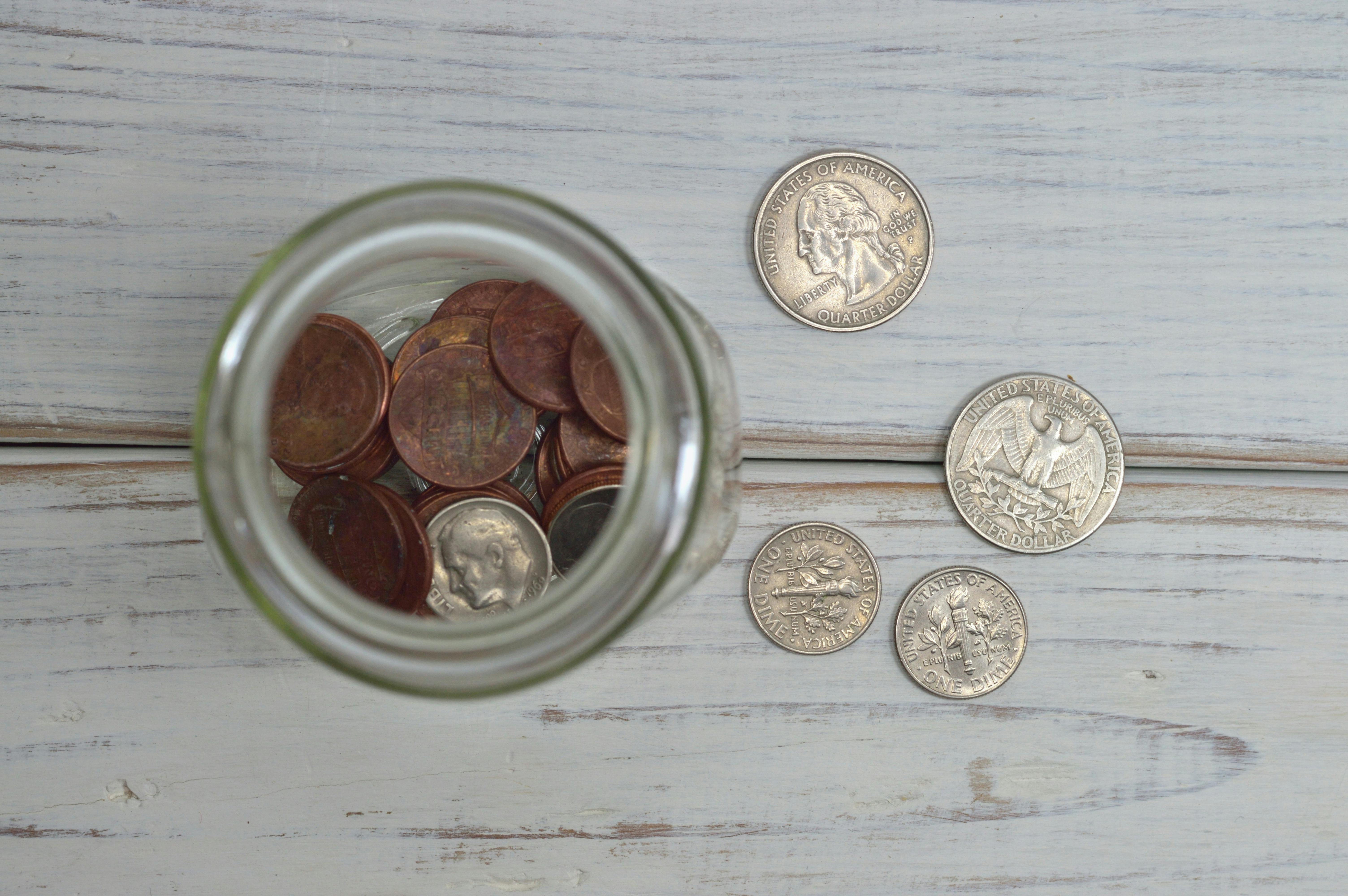
Vision expenses, glasses, contacts, exams, and even reading glasses, are qualified expenses under most FSAs and HSAs, which effectively gives you a 20-30% discount by paying with pre-tax dollars. The trick a lot of people miss is timing: if your FSA has a "use it or lose it" deadline approaching, buying a backup pair of glasses or a year's supply of contacts is a completely legitimate way to spend down the balance instead of forfeiting it. If you're weighing your options during open enrollment, it's worth reading through open enrollment 2026 and choosing between your HSA, FSA, and health plan before you lock in a plan, since vision coverage quality varies a lot between otherwise similar options.
Daniela needed a new prescription and a pair of everyday glasses, and her in-office optical shop quoted $385 for basic frames with anti-glare coating. Instead, she paid $60 out of pocket for the exam after her vision insurance discount, got her prescription and pupillary distance in writing, and ordered the same coating and a similar frame style from an online retailer for $89, paid with her FSA card. Total spend: $149, versus roughly $455 if she'd bought everything at the exam counter with no insurance applied to the frames. Her husband Owen, who wears contacts, did something similar: he bought a 12-month supply online during a sale instead of the 90-day boxes his eye doctor's office pushed, which cut his per-box cost by about 35% and used up the last of his FSA balance before the year-end deadline.
The most expensive mistake is assuming the in-office price is the only price, especially when the office is busy and it feels awkward to ask for the prescription and walk out without buying. A close second is skipping the exam altogether to save money, since a routine eye exam catches more than just your glasses prescription, and undiagnosed vision changes or eye health issues cost far more to fix later than an annual exam ever will. People also frequently let FSA balances expire unspent because they didn't realize glasses, contacts, and even some blue-light and reading glasses qualify, or they buy contact lenses in small 90-day batches instead of comparing the per-lens cost of a full year's supply.
Ask for a printed or emailed copy of your prescription and your pupillary distance measurement at the end of every exam, even if you're not buying glasses that day. Compare at least two online retailers before ordering, since pricing and coating options vary more than you'd expect for what's ostensibly the same lens. Check your FSA or HSA balance a month or two before any "use it or lose it" deadline and stock up on vision essentials if you're going to lose the money otherwise. If a big vision expense is coming up and you'd rather not put it on a high-interest card, look at whether a BNPL or installment option through creditable.co/loans beats carrying a balance on plastic. And if you do put routine vision purchases on a card, a no-fuss cash back card turns the spend into a small rebate instead of a pure cost.
Eyewear pricing has almost nothing to do with what it costs to make your glasses and almost everything to do with where you buy them. Getting the exam and the eyewear from two different places, timing your FSA spending, and comparison shopping online can turn a $400+ line item into well under $150 for the exact same prescription, without skipping a single checkup your eyes actually need.
This article is for general informational purposes only and does not constitute financial or medical advice. FSA and HSA rules vary by plan and change over time; consult your plan administrator or a licensed eye care professional for guidance specific to your situation.
Join the newsletter your bank hates and your wallet loves.
No spam. Unsubscribe anytime.