
Photographers, small production crews, and content creators pay real money to rent interesting homes by the hour. Here's what it actually pays and how to get started in 2026.

If your home has good natural light, an interesting kitchen, a distinctive backyard, or just looks nothing like everyone else's rental unit, there's a market that will pay to shoot there for a few hours. Platforms like Peerspace and Giggster connect homeowners with photographers, small production crews, podcasters, and content creators who need a real-looking space instead of a sterile studio, and in 2026 the demand for authentic-looking backdrops keeps growing as more brands and creators shoot short-form video content.
You create a listing with photos of your space, set an hourly rate, and list any restrictions (no food on set, no more than six crew members, quiet hours, etc.). Renters browse and book directly, similar to a short-term rental platform, except you're renting the space for a few hours rather than overnight. Most platforms handle the payment processing and take a percentage cut, typically 15% to 20% from the host side, with the renter paying an additional service fee on top.
Unlike Airbnb, you (or someone you designate) are usually present or nearby during the shoot, since crews need access, and most hosts prefer to supervise a group of strangers moving furniture and equipment around their home.
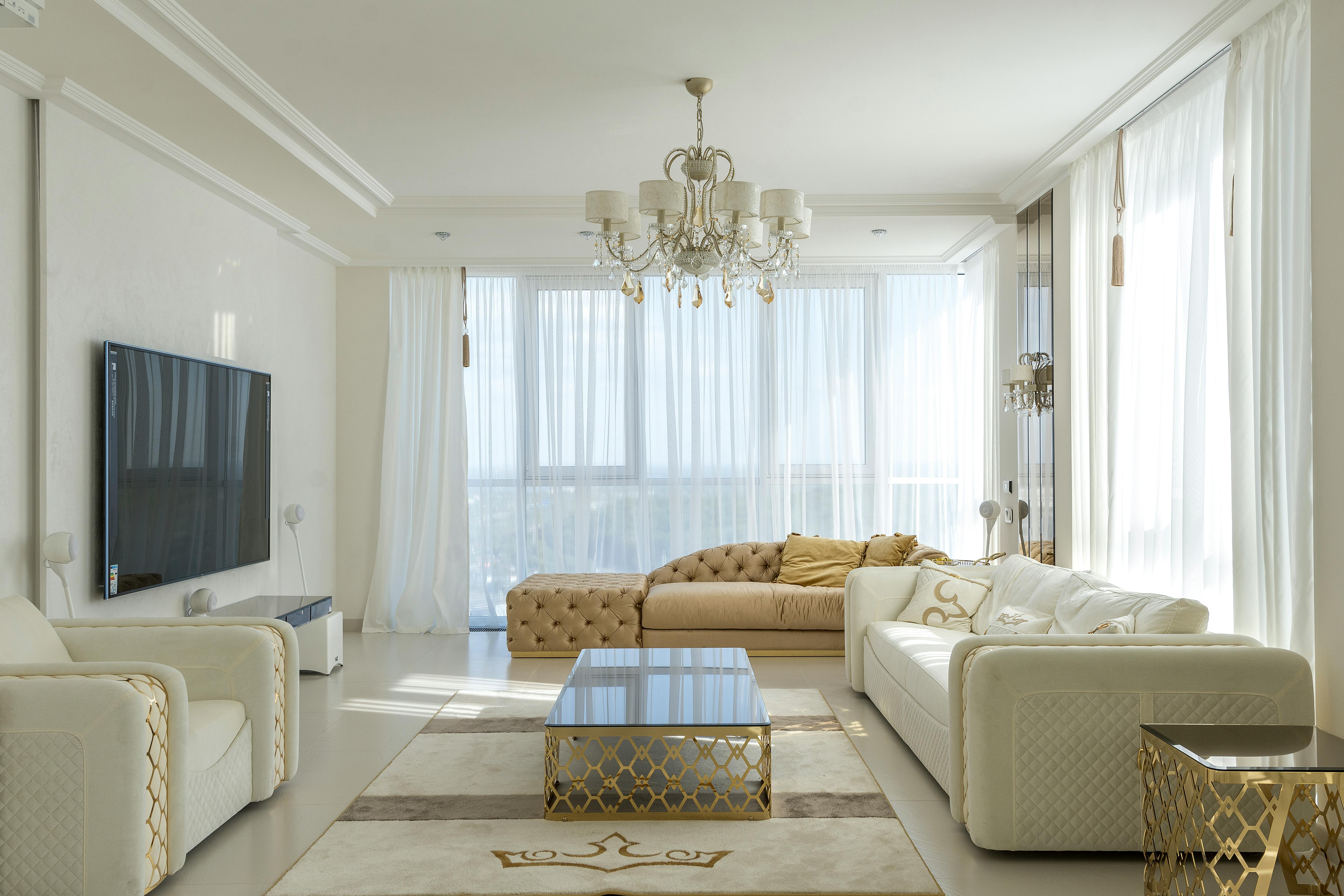
Kitchens with good counter space and natural light rent constantly for cooking content and product photography. Backyards with distinctive landscaping, pools, or unique architectural features do well for lifestyle brands. Living rooms with interesting furniture or a cohesive design aesthetic (mid-century modern, minimalist, maximalist — having a clear style matters more than expensive furniture) get booked for interior photography and small commercial shoots. Plain, generic apartments tend to underperform regardless of size, because renters are specifically looking for something they can't easily replicate in a studio.
Rates vary enormously by market and space quality, but a typical range for a nice home in a mid-size city runs $75 to $150 per hour, with distinctive properties in major markets like Los Angeles or New York commanding $200 to $400 per hour for a half-day commercial booking. Most bookings run three to six hours, so a single weekend shoot can bring in $300 to $1,200 before the platform's cut.
This is genuinely semi-passive rather than fully passive — you're cleaning and prepping the space before each shoot, potentially staying on-site during it, and dealing with wear and tear afterward. It's closer in effort level to short-term rental hosting than to something like renting out a car that mostly runs itself once it's listed.
Nadia has a mid-century-modern home with a distinctive kitchen and a small backyard studio she uses for pottery. She listed both spaces separately on Peerspace: the kitchen at $95/hour for cooking and food content, and the studio at $60/hour for podcast recording and small photo shoots. Over four months she booked eleven sessions totaling $3,240 in gross bookings, netting roughly $2,660 after the platform's cut, cleaning supplies, and a minor repair to a cabinet hinge a crew damaged during setup.
Her friend Desmond tried the same thing with his apartment — clean, functional, but generic — and got zero bookings in three months despite a competitive rate, eventually realizing his listing photos didn't convey any distinctive character that would make a renter choose his space over dozens of similar options nearby.
One mistake is underpricing out of nervousness about getting any bookings at all. A rate that's too low can actually signal low quality to renters browsing dozens of listings, and it's easier to lower a price later than to explain a sudden increase to repeat bookers.
Another is skipping the insurance conversation. Standard homeowners or renters insurance often doesn't cover business use of your home, including short-term commercial rentals for filming. Check with your provider before your first booking, since a claim from an incident during a shoot could otherwise be denied. It's worth reviewing this alongside your broader home insurance coverage rather than assuming your existing policy automatically extends to this kind of use.
A third mistake is not setting clear house rules upfront — number of crew members, parking situation, what's off-limits, noise cutoffs for neighbors. Vague listings lead to disputes after the booking is already confirmed, when it's much harder to resolve than setting expectations in the listing itself.
Take photos of your space during the time of day with the best natural light, since lighting quality is the single biggest factor in booking rate. Research comparable listings in your city to set a competitive hourly rate rather than guessing. Call your insurance provider before your first booking to confirm what is and isn't covered. Start with a lower minimum booking window (two to three hours) to attract smaller shoots while your listing builds reviews.
Renting your home as a filming location won't replace a full-time income, but for a home with real character, it can turn an underused kitchen or backyard into a genuinely useful side income stream without much more effort than hosting a short-term rental. The homes that succeed have a distinct look; the ones that don't tend to be functional but forgettable, which matters more on these platforms than square footage or neighborhood.
This article is for general informational purposes and does not constitute financial, legal, or insurance advice. Confirm your homeowners or renters insurance coverage and any local zoning or HOA restrictions before renting your home for commercial filming.
Join the newsletter your bank hates and your wallet loves.
No spam. Unsubscribe anytime.
