
Peer-to-peer space rental apps let you rent out a garage, studio, or spare room by the hour. Here's what it actually pays and how to get started.

You already own a garage, a spare bedroom, or a basement workshop that sits empty most of the day. A growing set of peer-to-peer marketplaces will pay you to rent that exact space out by the hour, and unlike full-time property rentals, it requires almost no ongoing management once it's set up.
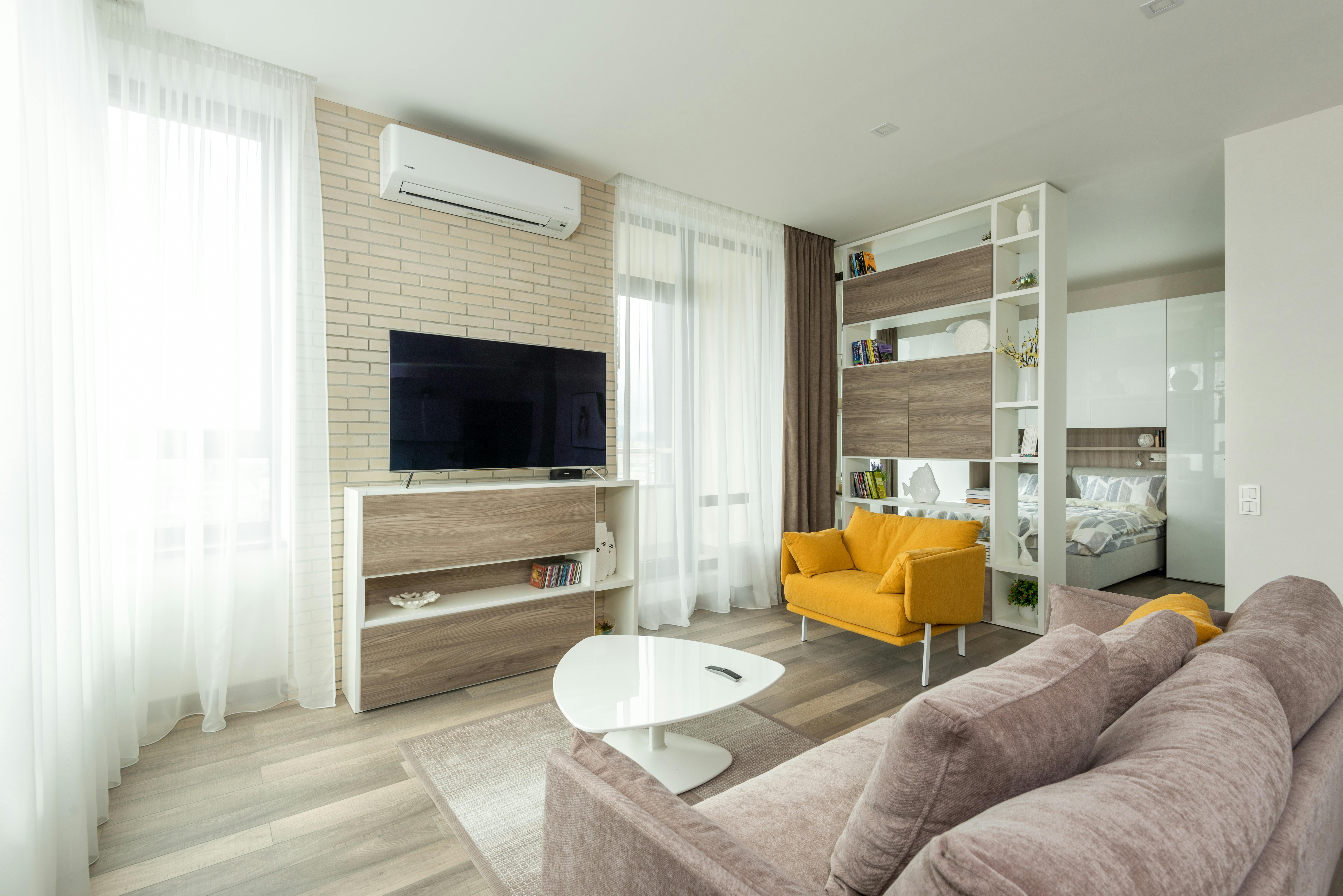
Space rental platforms connect people who need a space temporarily, photographers needing a garage for a shoot, a fitness instructor needing a room for small group sessions, a maker needing a workbench, with hosts who have unused square footage. You set your own hourly or daily rate, block out availability on a calendar, and the platform handles booking and payment, typically taking a percentage cut similar to how short-term rental platforms operate.
Garages and driveways work well for car detailing, photography, and storage-adjacent uses. Spare rooms and finished basements do well as small studio spaces for yoga, art classes, or podcast recording if they have decent acoustics and natural light. Backyards and patios rent for small gatherings, photo shoots, and pop-up events. The common thread across all of these is that renters typically need the space for a few hours, not weeks, which means you're not giving up your home, just monetizing dead time in it.
Look at comparable listings in your city for similar-sized spaces before picking a number. Photography and event spaces in a decent neighborhood commonly rent for $25 to $75 per hour depending on size, natural light, and amenities like parking or a bathroom. Storage-oriented garage space tends to rent lower but more consistently, often as a monthly rather than hourly arrangement. Start slightly below the median rate to build reviews, then raise your price once you have a handful of five-star bookings behind you.
Terrence converted an unused two-car garage into a photography rental space by adding a few clip lights and a portable backdrop, a setup that cost him under $300. He lists it at $35 an hour and books roughly 10 to 14 hours a month, mostly on weekends, bringing in $350 to $490 monthly for a space that was previously just storing bikes he didn't use.
His sister Alicia rents out her finished basement as a small yoga and movement studio for $45 an hour to independent instructors who don't want to pay for a commercial lease. She books about 20 hours a month, roughly $900, and has started treating the income as a dedicated stream she funnels toward building a passive income portfolio through low-cost index funds rather than spending it as it comes in.

A common mistake is skipping insurance or the platform's built-in host protection, then discovering after damage occurs that a personal homeowner's or renter's policy doesn't cover business use of the space. Another is under-pricing out of nervousness about whether anyone will book at all, which trains renters to expect a rate you can't sustain once you're established. Hosts also sometimes fail to set clear house rules upfront, no smoking, no more than X guests, quiet hours, which leads to awkward disputes later rather than a smooth transaction from the start. And many forget to photograph the space thoroughly before each rental, which matters if you ever need to document damage.
Start by listing the space as-is with a handful of clear photos rather than waiting until you've renovated anything, since real booking demand will tell you what upgrades are actually worth making. Check whether your city or HOA has any restrictions on short-term commercial use of residential space before you commit. Price slightly under market for your first few bookings to build reviews, then adjust upward. And keep a simple log of hours booked and income earned so you can accurately estimate your quarterly tax obligations as a gig worker once the income becomes steady.
Space you already own and rarely use, a garage, a spare room, a backyard, can generate a genuinely passive-feeling side income once it's listed, priced sensibly, and covered by the right insurance. It won't replace a full-time income, but for a few hundred dollars a month with minimal ongoing effort, it's one of the lower-friction side hustles available to anyone with extra square footage.
This article is for general educational purposes and does not constitute legal, tax, or insurance advice. Local zoning rules, HOA restrictions, and insurance requirements vary — confirm your obligations before renting out residential space commercially.
Join the newsletter your bank hates and your wallet loves.
No spam. Unsubscribe anytime.