
Vending machines are one of the oldest semi-passive income models around, and they're having a quiet comeback with smart, app-connected machines. Here's what it actually takes to run one profitably.

Everett bought his first vending machine off a local classifieds listing for $900, placed it in a friend's auto repair shop waiting room, and restocked it every other week for about ninety minutes total. A year later he owned four machines spread across a gym, a laundromat, and two offices, bringing in a combined profit of a little over $1,100 a month for roughly six hours of work total. Vending machines aren't fully passive, someone has to restock and collect money, but they're about as close to semi-passive income as a small physical business gets, and modern card-reader machines have made the money side dramatically easier than the coin-jar model most people picture.
The appeal of vending is structural. You're selling low-cost, shelf-stable products (snacks, drinks, sometimes personal care items) at a meaningful markup, in a location where a captive audience has few other options, and the machine does the actual selling without anyone standing behind a counter. Unlike most side hustles, your time investment is almost entirely front-loaded into sourcing a machine and landing a good location; after that, the ongoing work is restocking and collecting revenue on a schedule you set, often every one to two weeks.
Modern machines have also solved the biggest historical weakness of vending: cash handling. Most machines now sold include a card reader alongside coin and bill acceptance, and many connect to an app that tracks sales, inventory levels, and even alerts you when a slot is running low, so you're not guessing what to restock on a blind visit.
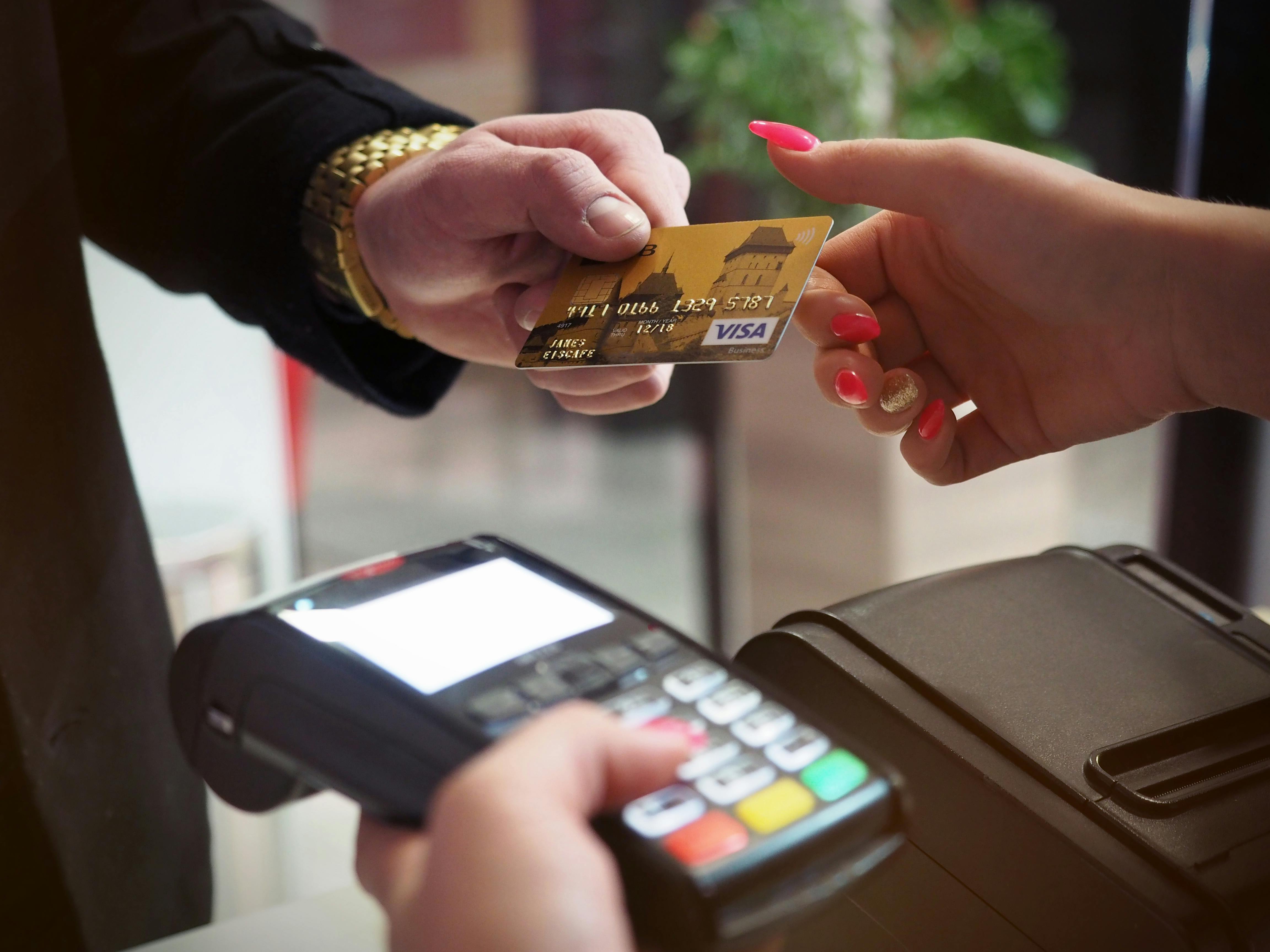
A single used snack or drink machine typically runs $800 to $2,500 depending on age, condition, and whether it already has a card reader installed; new machines with modern card readers built in run higher, often $2,000 to $4,000. Add a few hundred dollars for initial inventory and, in some cases, a locksmith to rekey the machine for security. Financing a first machine, or a small starting fleet, is sometimes done through a general small business or equipment loan; our loans guide covers how those financing options typically work if you'd rather not pay the full cost upfront. Many operators also put initial inventory purchases on a small business credit card to keep expenses separate from personal spending and to earn rewards on a recurring cost.
The location matters more than the machine. A machine in a break room with 15 employees will underperform one in a busy laundromat or a gym with steady foot traffic and no nearby alternative for snacks or drinks. Cold-calling small businesses, gyms, auto shops, and apartment complex leasing offices to offer a free machine placement, typically in exchange for a small percentage of revenue or just the convenience for their customers or staff, is how most new operators land their first few spots.
A typical snack sells for $1.50 to $2.50 and costs an operator $0.50 to $0.90, and a drink follows a similar markup pattern. A modestly trafficked machine might sell 3 to 6 items a day; a well-placed one in a high-traffic spot can sell well beyond that. At even a conservative 4 items a day, average $1 profit per item, that's roughly $120 a month per machine, before accounting for occasional restocking costs, minor repairs, and any revenue share owed to the location owner. The real profit shows up once you're running three or four machines across good locations, since the restocking trip barely takes longer whether you're servicing one machine or three at the same stop.
Vending isn't the only route to income that doesn't require your daily active labor, and it's worth thinking about how it stacks up. It requires more upfront cash and hands-on effort than something like dividend investing, but it also isn't subject to market swings the way a stock or ETF portfolio is; a well-placed machine tends to sell a fairly predictable number of snacks whether the market is up or down that month. Our comparison of passive income ideas to build wealth and our breakdown of treasury bills versus dividend ETFs are both useful side-by-side reads if you're deciding whether to put your first few thousand dollars into a machine, a brokerage account, or some combination of both.
Rosalind bought a used combo snack-and-drink machine for $1,400 and placed it in a 60-employee warehouse after a five-minute pitch to the operations manager, offering 5% of gross sales in exchange for the spot. She restocks every other Friday, spending about 45 minutes on each visit including driving. Average monthly revenue runs $410, ingredient and restocking cost about $155, and the 5% location fee comes to roughly $20, leaving her close to $235 a month in profit, or about $2,820 a year, from one machine and under two hours of work monthly.
Dante went further, buying two machines with a small equipment loan and placing them in a gym and a busy laundromat. Combined monthly revenue across both machines runs about $980, with costs and the laundromat's 8% revenue share bringing his profit to around $520 a month. After his loan payment of $140 a month, he still nets roughly $380 monthly, or about $4,560 a year, and plans to use that cash flow to buy a third machine outright within the next year rather than financing it.
The most common mistake is buying a machine before securing a location, leaving it sitting in a garage while you cold-call businesses. Second is underestimating restocking logistics, picking locations spread too far apart to service efficiently on the same trip. Third is ignoring maintenance; a jammed coil or a broken card reader that goes unfixed for weeks quietly kills revenue at that location. Fourth is agreeing to too generous a revenue share with a location owner just to land the spot, which can erode profit margins that are already thin on a per-item basis.
Research the used machine market in your area first and look specifically for machines with a working card reader already installed. Identify five to ten local businesses with steady foot traffic and no existing vending option, and pitch a free machine placement in exchange for a modest revenue share. Start with one machine before committing to a fleet, so you can learn restocking logistics and real sales patterns before scaling. Track sales and restocking costs from day one so you know your true profit per machine, not just gross revenue. Once one location is running smoothly, look for a second location that's geographically close to the first to keep restocking trips efficient.
Vending machines won't run themselves entirely, but for the ongoing time they require, they produce some of the most consistent, recession-resistant cash flow available in a small physical business. The keys are landing genuinely high-traffic locations, keeping restocking routes tight, and reinvesting early profit into a second and third machine rather than treating one machine as the whole business.
This article is for general educational purposes and isn't personalized financial or investment advice. Actual costs, revenue, and location terms vary widely; research your local market before purchasing equipment.
Join the newsletter your bank hates and your wallet loves.
No spam. Unsubscribe anytime.
