
Owning an ATM sounds like the ultimate passive income machine — cash flows in every time someone withdraws. The reality in 2026 involves more legwork, and more risk, than the pitch lets on.

There's a particular pitch that shows up in passive income forums and side-hustle videos every few years: buy an ATM, put it in a busy location, and collect surcharge fees every time someone withdraws cash, all without lifting a finger after the initial setup. It's a real business model, and some people do make steady money at it. It is also considerably more hands-on, and more capital-intensive, than the "set it and forget it" framing suggests.
When someone withdraws cash from an ATM you own, they're typically charged a surcharge fee, often somewhere between $2.50 and $4 depending on the location and local market rates, which goes to you as the machine owner (sometimes split with the location owner, more on that below). A portion of that fee, and sometimes a separate small fee per transaction, goes to the processing network that handles the transaction routing and your bank relationship.
A single machine in a decent location might process anywhere from 100 to 300 transactions a month, though this varies enormously by foot traffic and whether the location already had cash-access alternatives nearby. Do the math on your specific surcharge and expected volume before assuming a number — the range of realistic monthly income across different locations is genuinely wide.
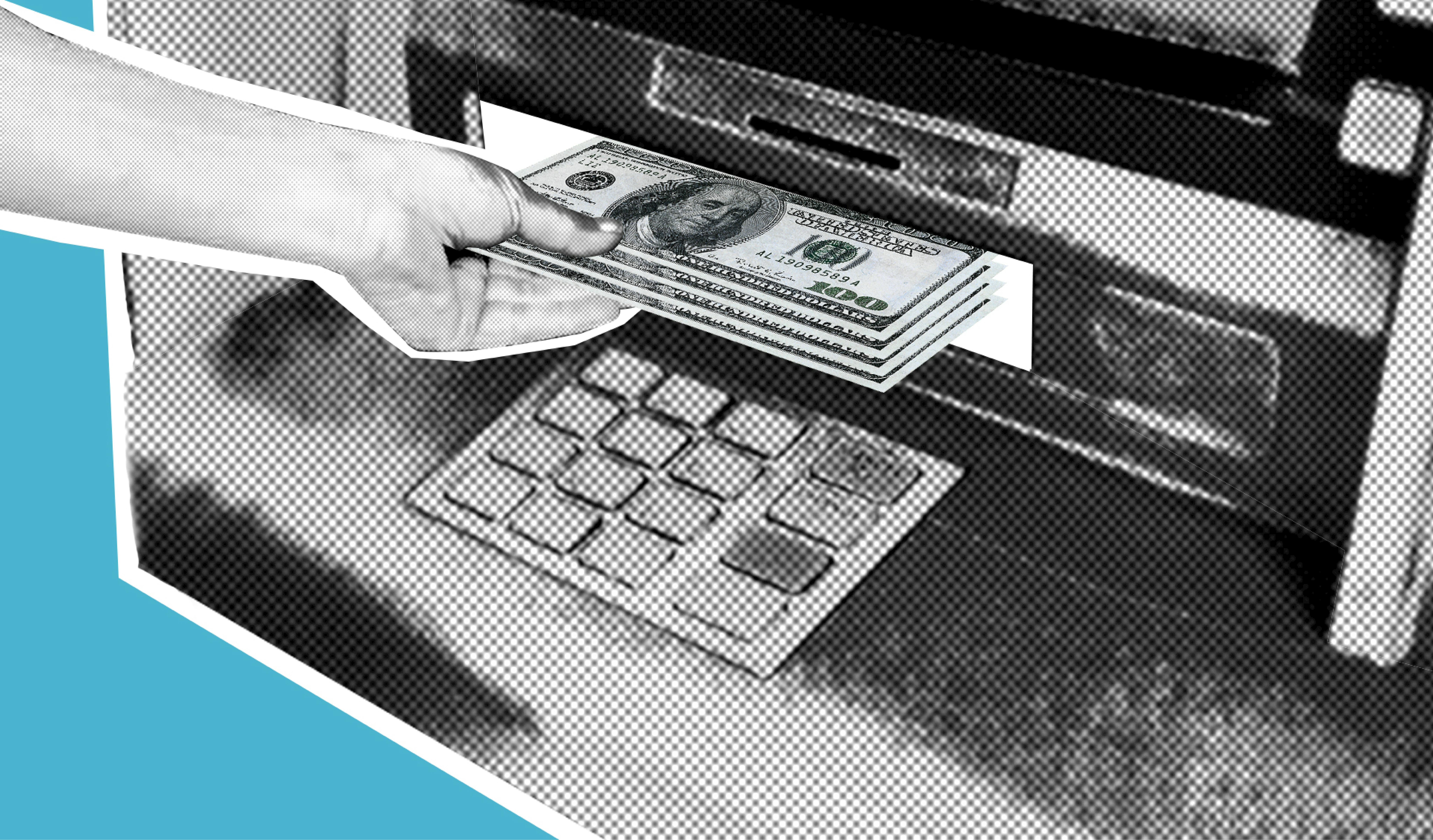
A new ATM machine typically costs somewhere between $2,000 and $8,000 depending on features, with used or refurbished machines available for less. That's the easy, visible cost. The less visible costs are what actually determine profitability: you need cash to load into the machine (either your own capital, tied up and inaccessible until it's dispensed, or a cash-vaulting service that charges you a fee to keep the machine stocked), a processing agreement with a network provider, ongoing wireless data service so the machine can process transactions, and periodic maintenance, since a jammed or empty machine generates zero revenue and irritated customers.
Most owners also pay the location's business owner a placement fee or a revenue share to host the machine, since a convenience store or bar isn't going to give up counter or floor space for nothing. That placement agreement is arguably the single most important variable in the entire business, more important than the machine itself, because foot traffic and cash-need at the location determines your transaction volume far more than anything about the ATM.
One detail that surprises a lot of first-time ATM owners is that the machine needs to be loaded with actual cash, and that cash sits idle, earning no return, until it's dispensed and replaced by your surcharge revenue. For a busy machine, that can mean several thousand dollars tied up at any given time, which is real opportunity cost even before you factor in the risk of theft or a jammed machine holding your cash hostage until a technician can service it.
Some owners use a small business credit card or a short-term business line of credit to finance the initial machine purchase and float, treating the surcharge revenue as the repayment source, though this adds interest cost on top of everything else and only makes sense if the location's transaction volume is high enough to comfortably cover it.
Winston bought a used ATM for $2,600 and placed it in a laundromat he negotiated a 15% revenue-share agreement with. The machine processed about 180 transactions a month at a $3 surcharge, generating $540 in gross monthly revenue. After the laundromat's revenue share ($81), network processing fees (roughly $90), and wireless data costs ($25), his net monthly income landed around $344, against an ongoing cash float of about $2,000 he kept circulating through the machine. He recovered his initial machine cost in about eight months and has kept the arrangement running with minimal maintenance beyond periodic cash reloads.
Beatriz took a more ambitious approach, buying three machines for $7,200 total and placing them in a mix of a bar, a small event venue, and a strip-mall convenience store. Her bar machine performed well, similar to Winston's laundromat numbers, but her event venue machine sat mostly idle outside of scheduled events, generating barely enough to cover its data plan and processing fees most months. She eventually pulled that machine and relocated it to a busier gas station, after which its performance improved meaningfully, but the several months of near-zero revenue on a misplaced machine were a real lesson in how much location selection matters more than machine count.
A common mistake is treating location selection as an afterthought once the machine is purchased, rather than the central decision it actually is. A great machine in a low-traffic or cash-light location will underperform a mediocre machine in a busy spot every time.
Another mistake is underestimating how much cash needs to sit in the float, and either running out of dispensable cash during peak hours (which frustrates customers and the host business alike) or over-committing personal capital to the float without a clear plan for what happens if the machine is damaged, stolen, or simply underperforms.
People also sometimes skip carefully negotiating the placement agreement, accepting whatever split the location owner proposes rather than researching typical revenue-share norms in their area first. That agreement determines your actual take-home far more than anything about the machine's features.
Research typical surcharge rates and processing fees in your specific area before buying anything, since these vary by region and network. Scout multiple potential locations and ask about foot traffic and existing cash-access options nearby, since a location that already has a bank branch next door won't generate much ATM demand. Negotiate the placement and revenue-share agreement in writing before purchasing a machine, not after. And budget realistically for the cash float, treating it as tied-up capital rather than assuming it's free money sitting in the machine.
ATM ownership can be a legitimate income stream, but it's closer to a small, cash-intensive local business than a passive investment, with location selection, placement negotiation, and cash-float management driving most of the outcome. It's worth comparing against other semi-passive options like vending machines before committing capital, since the operational demands and risk profile are genuinely similar, and a lower-capital investing approach may suit your goals better if you're specifically looking for a truly hands-off income stream.
This article is for general educational purposes and isn't personalized financial or investment advice. ATM economics, fees, and regulations vary by region and change over time — consult local regulations and financial professionals before making business investment decisions.
Join the newsletter your bank hates and your wallet loves.
No spam. Unsubscribe anytime.