
Laundromats and self-serve car washes are unglamorous, cash-generating businesses that don't require you to work in them every day. Here's the real math on buying one in 2026.

Passive income conversations tend to fixate on dividends, royalties, and rental apartments, but one of the oldest semi-passive cash-flow businesses around gets almost no attention: coin-operated laundromats and self-serve car washes. They're unglamorous, the machines break, and nobody's writing viral posts about them — which is part of why they remain a realistic entry point for buyers without a background in real estate or finance.
Both businesses run on the same basic model: customers pay upfront per use, there's no inventory to manage, and once the equipment is installed, the day-to-day labor requirement is far lower than almost any other small business. A well-run laundromat or car wash typically needs a few hours a week of oversight — emptying coin boxes (or reconciling app payments, since most now run on card and app systems), basic cleaning, and coordinating repairs — rather than a full-time presence.
That's the appeal, but it's not literally hands-off. Machines break on their own schedule, not yours, and a broken dryer sitting unrepaired for two weeks is lost revenue every single day it's out of service.
An existing, established laundromat typically sells for two to four times its annual net cash flow, which in practice means anywhere from $150,000 to $500,000 depending on size, location, and equipment age. A self-serve car wash with several bays runs higher, often $300,000 to $900,000, since the land and building are usually part of the purchase rather than a leased storefront. Financing through an SBA loan is common for both, since lenders view existing cash-flow businesses with a track record as lower-risk than a startup concept.

Buying an existing business with financial records beats building one from scratch for most first-time buyers, since you can verify actual revenue, utility costs, and machine age before signing anything — a step worth treating as seriously as reviewing a small business loan before committing to any financing structure.
Water and gas utility costs for a laundromat can run $2,000 to $5,000 a month depending on machine count and local rates, and they don't shrink just because business is slow that month. Machine replacement is the other big line item — commercial washers and dryers last roughly 10 to 15 years, but a laundromat with aging equipment will need a rolling replacement budget, since replacing an entire bank of machines at once can run $80,000 or more.
Car washes carry similar concerns with water reclamation systems, vacuum equipment, and payment kiosks, plus the ongoing cost of soap, wax, and other consumables that scale with volume.
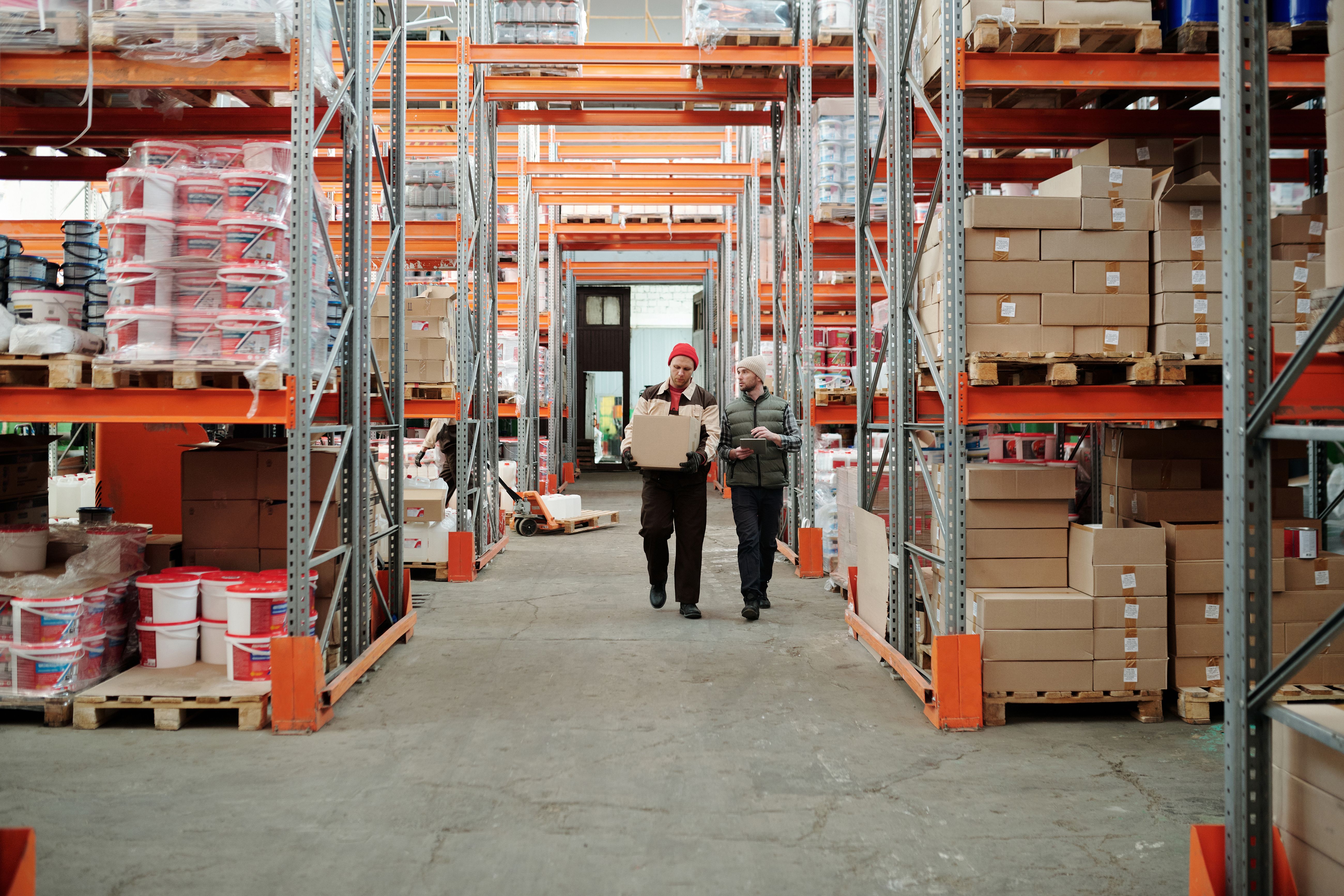
Rafael bought an established 24-machine laundromat for $280,000, financed with an SBA loan and $60,000 down. The business generated roughly $9,200 a month in revenue against $5,100 in expenses (rent, utilities, an attendant working 20 hours a week, and a maintenance reserve), leaving about $4,100 a month before his loan payment of $1,850. That left him with roughly $2,250 a month in cash flow after six months of learning the routine — not enough to quit his day job immediately, but a meaningfully growing asset he expects to pay off within nine years while it continues generating income the whole time.
His cousin Beatriz bought a car wash in a similar price range but skipped a proper inspection of the water reclamation system, which failed within four months and cost her $34,000 to replace — an expense that would have shown up clearly in a pre-purchase equipment inspection she chose to skip to close the deal faster.
One mistake is buying based on the seller's stated revenue without independently verifying it through bank statements, tax returns, and utility bills for at least the past two years. A business for sale is being marketed to look as attractive as possible, and self-reported numbers deserve real scrutiny.
Another is underestimating how location-dependent both businesses are. A laundromat near apartment complexes without in-unit washers thrives; the same laundromat two miles away in a neighborhood of single-family homes with garages struggles. Drive the actual trade area at different times of day before buying, not just once during a scheduled tour.
A third mistake is skipping a professional equipment inspection to save a few hundred dollars, then discovering thousands of dollars in deferred maintenance after closing. This is a genuinely avoidable cost that a qualified inspector can catch before you sign anything.
Request at least two years of bank statements and tax returns from any business you're seriously considering, not just a summary sheet from the broker. Hire an independent equipment inspector before finalizing any offer. Drive the surrounding neighborhood at multiple times of day to gauge real foot traffic and competition. If you're new to this kind of purchase, a business broker who specializes in laundromats or car washes specifically (rather than a general business broker) will typically know which numbers in a listing deserve the closest scrutiny.
Laundromats and car washes aren't exciting, and they require more oversight than the phrase "passive income" usually implies. But they're real, cash-generating businesses with decades of operating history to study, financing options built specifically for this kind of purchase, and a lower day-to-day labor requirement than most small businesses — which is exactly why they're worth a serious look for anyone tired of chasing more speculative passive income ideas. If you want a related, much smaller-scale version of this same model, vending machines and micro-businesses work on similar principles with a far lower buy-in.
This article is for general informational purposes and does not constitute financial, legal, or investment advice. Business acquisitions carry real financial risk — consult a qualified accountant, attorney, and business broker before purchasing any commercial business.
Join the newsletter your bank hates and your wallet loves.
No spam. Unsubscribe anytime.