
A full Thanksgiving spread can cost hundreds of dollars. Here's how to plan, shop, and split the work so you can host without the financial hangover.

Thanksgiving is one of those holidays where the memories are priceless and the grocery bill is not. Between the turkey, the sides, the pies, and the extra chairs, hosting can quietly cost several hundred dollars. The good news is that it's still the end of September, which means you have plenty of time to plan. With a little organization, you can put on a warm, generous meal without dreading your credit card statement in December.
This guide walks you through setting a budget, shopping smart, splitting the work, and avoiding the classic traps.
Most people plan the menu first and discover the cost later. Flip that. Decide what you're comfortable spending in total, then build the meal around it. A simple way to pick your number is to look at what you spent last year and shave 10 to 15 percent off.
Once you have a total, divide it by the number of guests to get a per-person figure. That number makes decisions easier. If a fancy appetizer pushes you over, you'll know right away that something else has to give.

Food waste is money in the trash. Confirm your headcount by early November, including kids, who eat less. Plan on roughly one pound of turkey per person if you want leftovers, or closer to three quarters of a pound if you don't. Over-buying sides is the most common way budgets balloon.
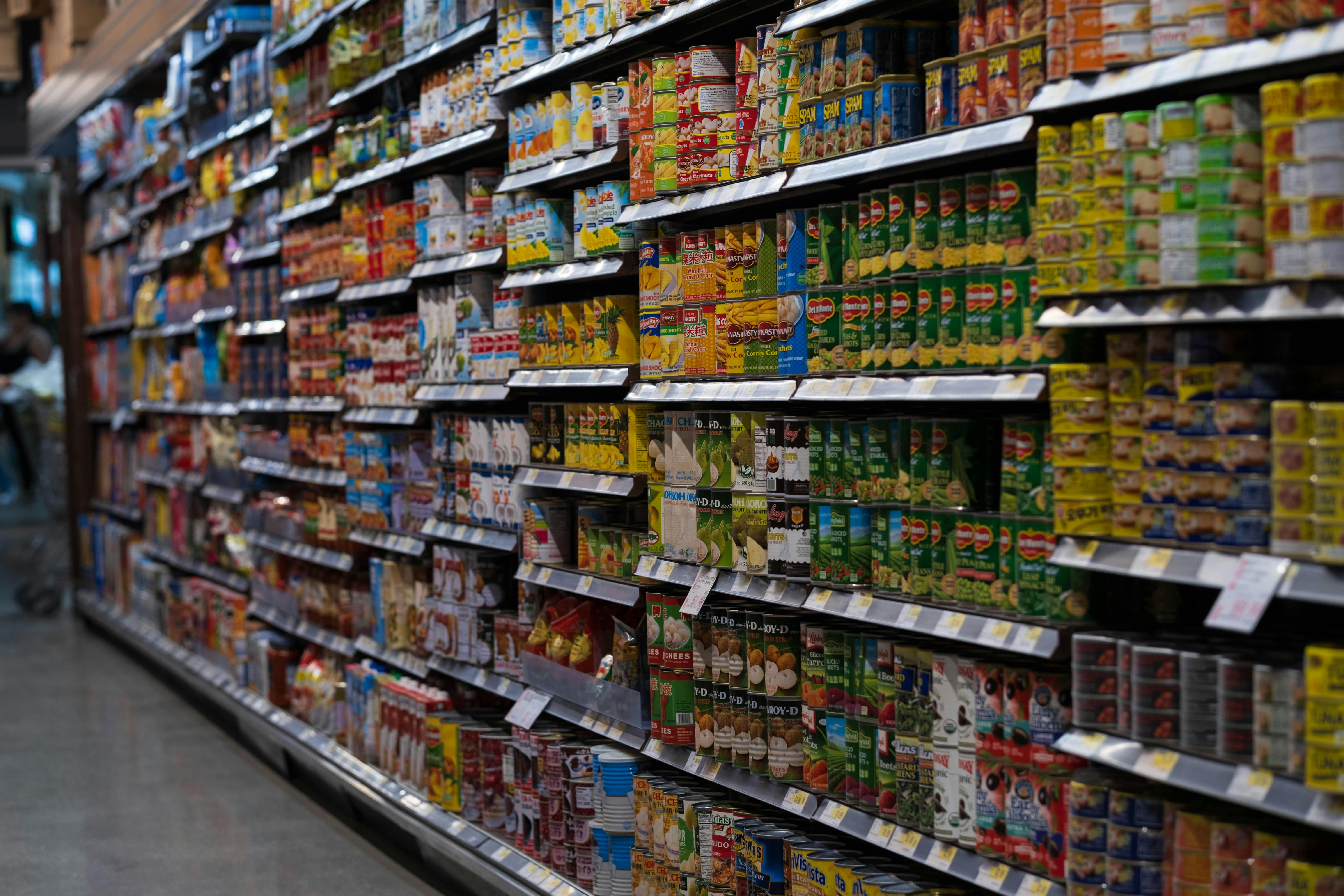
Stores often discount turkey, canned goods, baking supplies, and frozen vegetables in the weeks before the holiday, sometimes as loss leaders to get you in the door. To know a real deal from a fake one, track prices on the items you buy most. Our guide on how to build a grocery price book shows exactly how. If you buy in bulk for the holiday and beyond, warehouse club math can help you decide whether a membership pays off.
Frozen turkeys are usually cheaper per pound than fresh. Buy one in early to mid November and give it time to thaw in the refrigerator, which takes about 24 hours for every four to five pounds. A larger bird generally costs less per serving than several small ones, and the leftovers make sandwiches and soup. Store brands and grocery store loyalty deals can cut the price further, and some stores offer a free turkey if you spend a set amount.
There's no shame in asking guests to bring something. In fact, most people prefer it. The trick is to assign specific dishes rather than saying "bring whatever." You cover the turkey, gravy, and stuffing. Others bring sides, desserts, drinks, or rolls. A signup list avoids five green bean casseroles. If a guest is on a tight budget, ask them to bring something inexpensive like rolls or a relish tray, or help with cleanup instead.
Some shortcuts cost a lot more than the homemade version. Stuffing, cranberry sauce, gravy, and pie crust are cheap to make from scratch, and mashed potatoes from real potatoes cost a fraction of the pre-made kind. On the other hand, if your time is limited and one store-bought pie saves your sanity, that's a fair trade. Just be honest about what's worth it.
Let's follow two fictional hosts, Renee and Tomas, who are each feeding 10 people.
Renee wings it. She buys a fresh 20-pound turkey at $2.49 per pound ($49.80), pre-made sides, store-bought pies, drinks for everyone, and disposable serving ware. By the time she's done, she has spent about $310, plus a few emergency runs to the store.
Tomas sets a $180 budget and plans ahead. He buys a frozen 16-pound turkey at $1.19 per pound ($19.04) on sale, makes stuffing, cranberry sauce, and gravy from scratch, and asks guests to bring two sides, drinks, and dessert. He also uses his own serving dishes. His total comes to about $155, and he even has money left for a nice centerpiece.
The difference is $155, and the guests at Tomas's table ate just as well. The savings came from three habits: setting a number, buying on sale, and sharing the work.
Grocery spending is a place where the right card can earn you real rewards. Many cash back credit cards pay extra on supermarket purchases, which can offset a small slice of your holiday spending. Just don't let rewards tempt you to spend more, and plan to pay the balance in full so interest doesn't wipe out your savings.
The most common mistake is buying too much food. Leftovers are lovely for two days, but three tubs of unwanted mashed potatoes just become waste. Plan portions and have containers ready so guests can take some home.
Another mistake is shopping the week of the holiday. Prices are highest and stock is lowest, so that's when people make expensive panic purchases.
A third mistake is paying full price for decor and tableware. Thrift stores, dollar stores, and your own home usually have everything you need. Leaves and pinecones from your yard make a free centerpiece.
A fourth mistake is putting the whole thing on a credit card without a repayment plan. If the balance lingers, the interest can turn a $200 dinner into a $250 one.
Set your total budget and per-person number this week. Confirm your headcount by early November. Write your menu, then check it against sale flyers. Send out a potluck signup list. Buy nonperishables and the frozen turkey in early November, and save fresh items for the final week. Plan leftovers meals so nothing goes to waste.
A great Thanksgiving doesn't need a great big price tag. Set a budget before you plan the menu, shop sales and buy the turkey frozen, share the cooking with your guests, and make what's cheap from scratch. Do those things, and you can host with a full table, a full heart, and a much lighter credit card bill.
This article is for general educational purposes only and is not financial advice. Prices and store promotions vary by location and change often, so check current details before you shop.
Join the newsletter your bank hates and your wallet loves.
No spam. Unsubscribe anytime.