
Buying in bulk feels like an obvious win, but between spoilage, storage costs, and cash tied up on shelves, stockpiling only pays off for specific products and specific households.

There's a specific kind of satisfaction in a garage shelf lined with 24 cans of diced tomatoes bought on sale. It feels like winning. But stockpiling has a hidden cost side that rarely gets talked about — spoiled food, cluttered storage, and cash sitting on a shelf instead of in a savings account — and for a lot of households, the bulk-buying instinct actually loses money once you count all of it.
That doesn't mean stockpiling is a bad idea. It means it's a math problem with a right answer that depends on the specific product, your storage space, and how reliably you'll actually use what you buy before it goes bad or goes stale in your pantry rotation.
The first mistake most people make is trusting the "per unit" price tag at a warehouse club or bulk bin without checking it against the regular grocery store's sale price. Bulk retailers advertise savings against their own everyday price, not against the best sale price you could get elsewhere. A 40-roll pack of paper towels might genuinely beat any grocery store price, but a giant tub of a specific spice might actually cost more per ounce than buying the same brand on sale at a regular store, especially with a loyalty app coupon stacked on top. Always do the actual per-unit math, not the marketing math on the sign.
It's easy to forget that pantry and freezer space isn't free. If bulk buying means renting a chest freezer, converting a closet into pantry storage, or paying for a storage unit, that cost has to be subtracted from whatever you saved on the food itself. For most apartment dwellers, cramped kitchen storage alone rules out most large-format bulk buying — there's simply nowhere to put a 50-pound bag of rice.
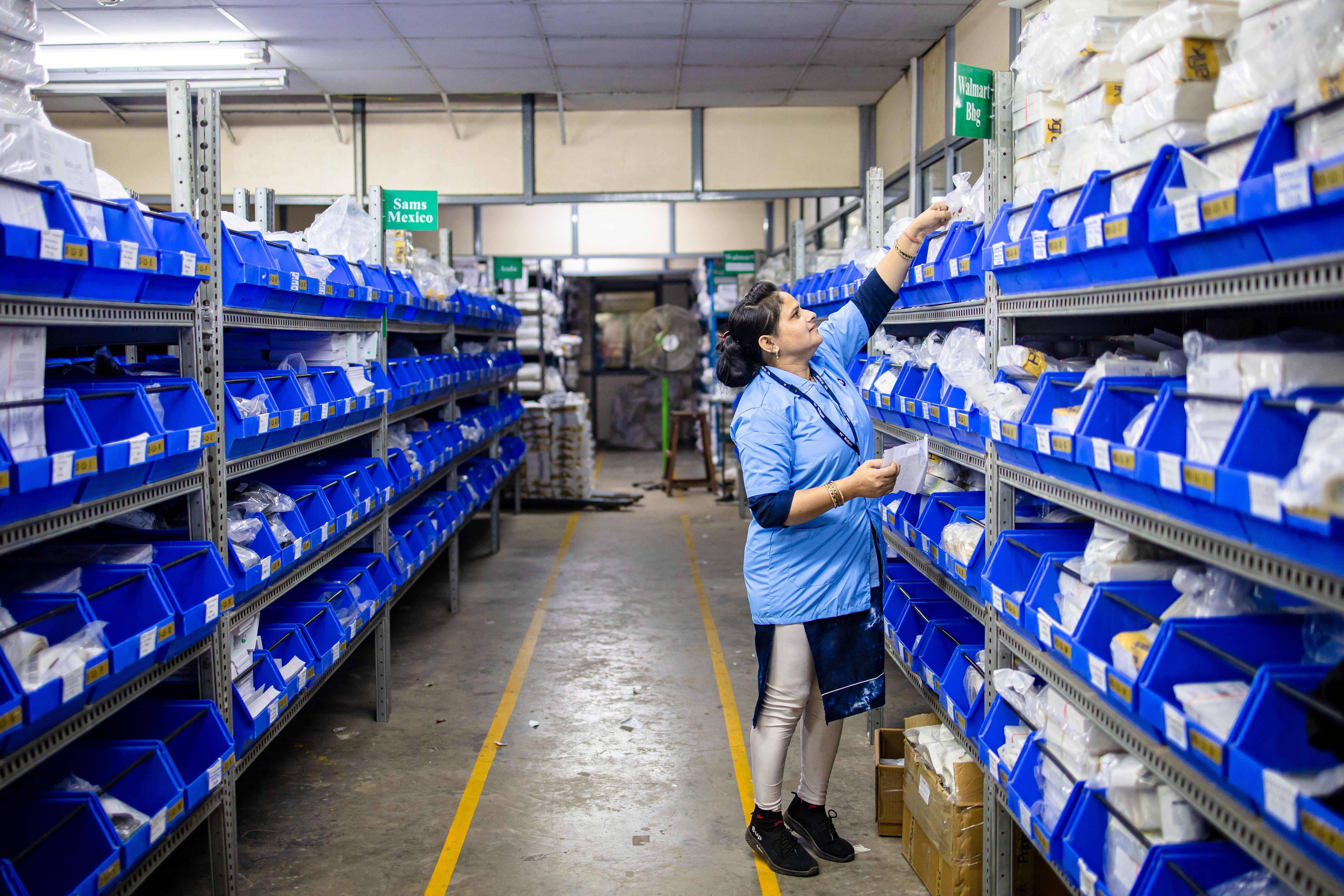
This is the biggest hidden cost. A study-grade rule of thumb: if you throw away even 15-20% of a bulk perishable purchase to spoilage, you've usually erased most or all of the discount you paid for by buying bulk in the first place. Shelf-stable goods — canned goods, dried pasta, rice, batteries, toilet paper — don't have this problem and are genuinely good bulk candidates. Fresh produce, dairy, and bakery items almost always do, unless you have a specific, reliable plan to freeze or preserve the excess (and actually follow through on it).
There's also an opportunity cost that rarely gets mentioned: money spent on six months of stockpiled goods is money that isn't sitting in a high-yield savings account earning interest, and it isn't available if an unexpected expense comes up. For most households, tying up more than a month or two of pantry staples in advance purchases starts to work against the broader goal of keeping cash flexible, especially compared to simply tracking grocery prices over time and buying at the best price point as you go.

The best bulk-buying candidates share three traits: they're genuinely shelf-stable for a year or more, you use them predictably and often, and the bulk unit price beats the best realistic sale price elsewhere. That usually means things like toilet paper, paper towels, dish soap, laundry detergent, canned goods you actually cook with regularly, rice, dried beans, and pet food if you have pets. Items that fail one of those three tests — you rarely use them, they spoil, or the bulk price isn't actually better — should stay off the stockpile list no matter how good the deal looks on the shelf tag.
Camille and her partner run the numbers before joining a warehouse club: the $65 annual membership pays for itself if they save at least that much across the year. They calculate that buying toilet paper, paper towels, coffee, and dog food in bulk saves them roughly $340 a year compared to grocery store prices, comfortably clearing the membership fee, and none of those items spoil, so there's no waste risk.
Her neighbor Theo, tempted by a bulk deal on fresh strawberries and a rotisserie chicken multipack, ends up throwing away almost a third of both because he and his roommate couldn't eat through them fast enough. What looked like a $22 savings on paper turned into roughly $9 in actual savings once the spoiled portion is subtracted — still positive, but far less than advertised, and not worth the freezer space it took up in the meantime.
One common mistake is buying bulk based on a good-sounding unit price without comparing it to a real sale price elsewhere, since bulk retailers set their comparison baseline generously in their own favor. Another is stockpiling perishables without a concrete plan (and follow-through) for freezing or using the excess before it spoils. People also frequently underestimate how much storage space bulk buying actually requires until their pantry or garage is genuinely overflowing. And a subtler mistake is treating a big stockpile purchase as savings when it's really just prepayment — the money is spent now regardless of whether it technically saves a few dollars per unit later.
Start by tracking the actual unit prices of the five or six items your household buys most often, so you have a real baseline to compare bulk deals against. Stick to genuinely shelf-stable goods for anything bought in large quantities, and be honest about your storage space before buying anything oversized. For perishables, only buy bulk if you have a specific plan (freezing, canning, or a big enough household) to use it before it turns. And periodically check whether a warehouse club membership fee is still earning its keep across a full year of purchases, not just one good trip.
Bulk buying saves real money on the right items — shelf-stable, frequently used, genuinely cheaper per unit — and quietly loses money on the wrong ones. Do the unit-price math and be honest about spoilage before you fill the cart.
This article is for general educational purposes and does not constitute financial advice. Prices, membership fees, and product availability vary by retailer and region.
Join the newsletter your bank hates and your wallet loves.
No spam. Unsubscribe anytime.