
Charge cards promise no preset spending limit, but that doesn't mean unlimited. Here's what actually happens when you swipe a charge card versus a credit card.

If you've ever heard someone brag that their credit card has "no limit," they were probably talking about a charge card — and they were probably wrong about what that actually means. Charge cards like the American Express Platinum or Amex Business Gold get marketed around the idea of a flexible spending limit that adjusts to your spending habits, payment history, and financial profile. That sounds like a blank check. It isn't. Understanding the real difference between a charge card and a traditional credit card can save you from a maxed-out surprise, a mandatory full payoff you didn't budget for, or an annual fee you're not using enough to justify.
A credit card gives you a revolving line of credit with a fixed limit — say $10,000 — and you can carry a balance month to month by paying interest on whatever you don't pay off. A charge card, by contrast, technically has no fixed, preset spending limit. Instead, the issuer evaluates each transaction in real time against your income, spending patterns, payment history, and even your existing charge card usage. And critically, charge cards generally require you to pay your full statement balance every month. There's no revolving balance option, aside from add-on features issuers now bolt on, like Amex Plan It, My Chase Plan, and Citi Flex Pay, which let you convert part of a charge card balance into a fixed monthly installment plan for a fee.
American Express is explicit that its charge cards don't have a preset spending limit, but that phrase is doing a lot of work. Your actual purchasing power that day depends on an algorithm weighing your credit history, how much you've spent recently, your income, and your payment record with that issuer. Try to put through a $40,000 purchase on a charge card you've had for six months with modest spending history, and there's a real chance it gets declined or flagged for manual review, even if you have the cash sitting in the bank to cover it. The absence of a hard number doesn't mean the absence of a limit — it just means the limit is invisible and can move.
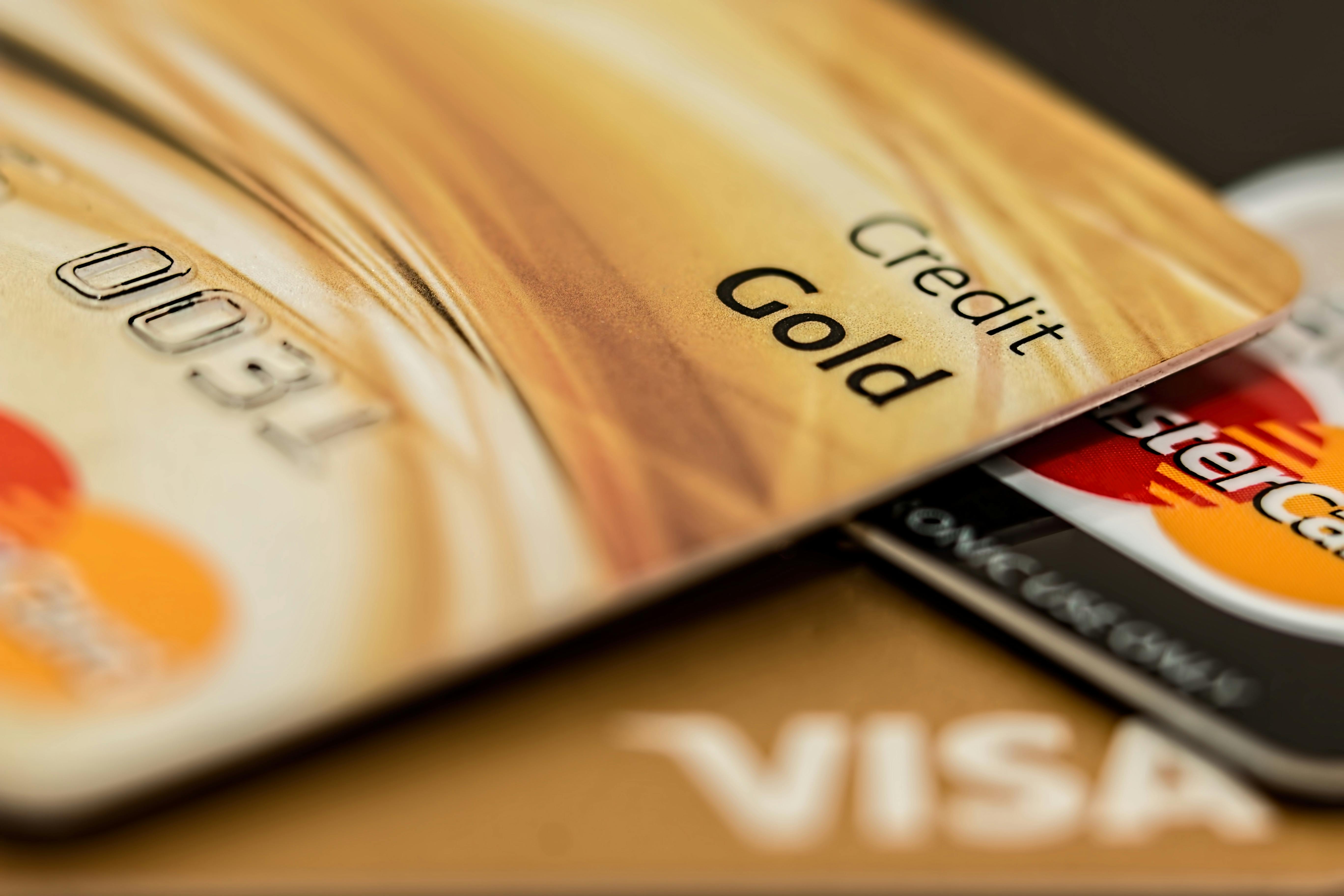
Charge cards let issuers court big spenders without capping their upside. A small business owner running six figures a month through a small business credit card is far more valuable to Amex than someone maxing out a $5,000 limit every cycle. Because the balance must be paid in full, the issuer also carries less long-term credit risk — they're not waiting years for you to pay down a revolving balance while interest accrues. That's part of why charge cards tend to come loaded with rich travel rewards and premium perks: the issuer is trying to attract cardholders who spend a lot and pay it off completely, not people looking to finance a balance.

Because the entire statement balance is due each month, missing a payment on a charge card can be more consequential than falling behind on a credit card minimum payment. Amex, for example, may charge a late fee and, if you're seriously delinquent, can suspend your ability to use the card or even close the account faster than a typical revolving-credit issuer would. There's less cushion built into the product. If you're someone who occasionally needs a month or two of breathing room to pay down a large purchase, a traditional credit card with a 0% introductory APR, or a card in the balance transfer category, is a much safer structural fit than a charge card.
Charge cards report to the credit bureaus differently than revolving credit cards in one important way: because there's no preset limit, your credit utilization ratio (the percentage of your available credit you're using) can be calculated inconsistently, or in some cases not factored into utilization at all, depending on the bureau and scoring model. This can actually work in your favor if you put a lot of spending on a charge card, since it won't necessarily spike your utilization the way maxing out a $5,000 credit card would. But don't assume this always helps — some lenders manually review charge card spending patterns when you apply for a mortgage or auto loan, since heavy charge card use without visible limits can look unpredictable on paper.
Most charge cards carry a meaningful annual fee, often $250 to $700, in exchange for the flexible spending capacity, airport lounge access, and elevated rewards. If you're not spending enough to consistently earn back that fee in value, a no-annual-fee or cash back credit card will likely serve you better. The math only works when your spending volume and travel habits actually use what you're paying for.
Deja runs a boutique marketing agency and got approved for a charge card specifically because her monthly expenses — software subscriptions, freelancer payments, ad spend — regularly topped $18,000. Her revolving business credit card had a $15,000 limit that she kept bumping into mid-month, forcing her to juggle multiple cards. Switching her ad spend to a charge card let her run larger campaigns without worrying about hitting a hard ceiling, and because she pays the balance in full every month by pulling from a dedicated business checking account, she's never faced a review or decline.
Her business partner, Marcus, tried the same charge card for personal use six months after opening a business account with the same issuer. He put a $6,500 home appliance purchase on it during his first month with the card and it was declined, even though he had the funds available. The issuer's algorithm hadn't yet built up enough history with his spending pattern to greenlight a purchase that size. He ended up using a traditional credit card with a 0% intro APR instead, paid it off over four months, and avoided interest entirely.
One mistake is assuming "no preset limit" means you can put through any purchase amount without warning the issuer first — large or unusual purchases are exactly what triggers manual review and possible declines. Another is not budgeting for the full-balance-due requirement; people used to carrying a credit card balance sometimes get caught off guard by a charge card bill that's due in full, with no minimum-payment option. A third mistake is applying for a charge card mainly for prestige rather than genuine spending volume, then paying an annual fee year after year for perks that go unused.
Before applying for a charge card, add up your actual monthly spending across categories the card would cover and compare it honestly to the annual fee and expected rewards. Call the issuer in advance if you're planning an unusually large purchase, since a heads-up can prevent a decline. Set up automatic full-balance payments from a checking account you know will have sufficient funds, and keep a backup credit card with a 0% APR option in your wallet for months when cash flow gets tight and you genuinely need to carry a balance instead of paying it off.
A charge card's flexible spending capacity is a real benefit for people with consistent, predictable, high spending who always pay in full — but it's not a magic unlimited card, and it removes the safety net of carrying a balance that a traditional credit card provides. Match the product to your actual spending pattern, not the marketing language.
This article is for informational purposes only and does not constitute financial advice. Credit card terms, fees, and approval criteria vary by issuer and by applicant and can change at any time. Consult the card issuer's current terms and a qualified financial advisor before applying for or using any credit product.
Join the newsletter your bank hates and your wallet loves.
No spam. Unsubscribe anytime.