
That pay-in-your-home-currency prompt at checkout abroad is often a worse deal than your card's own exchange rate. Here's how to spot it and dodge it.

You're standing at a card terminal in Lisbon or Bangkok, and a screen pops up asking: would you like to pay in US dollars instead of the local currency? It sounds like a favor. It's usually a trap, and it can quietly cost you more than the foreign transaction fee you thought you'd dodged by bringing the right card.
This is called dynamic currency conversion, or DCC, and it's one of the least understood fees in everyday travel spending. Unlike a foreign transaction fee, which is a flat percentage your card issuer discloses in the fine print, DCC is a currency markup baked in by the merchant's payment terminal the moment you say yes to that pay-in-your-home-currency option. It can add anywhere from 3% to 12% to a purchase, often stacked on top of fees you thought you'd already avoided.
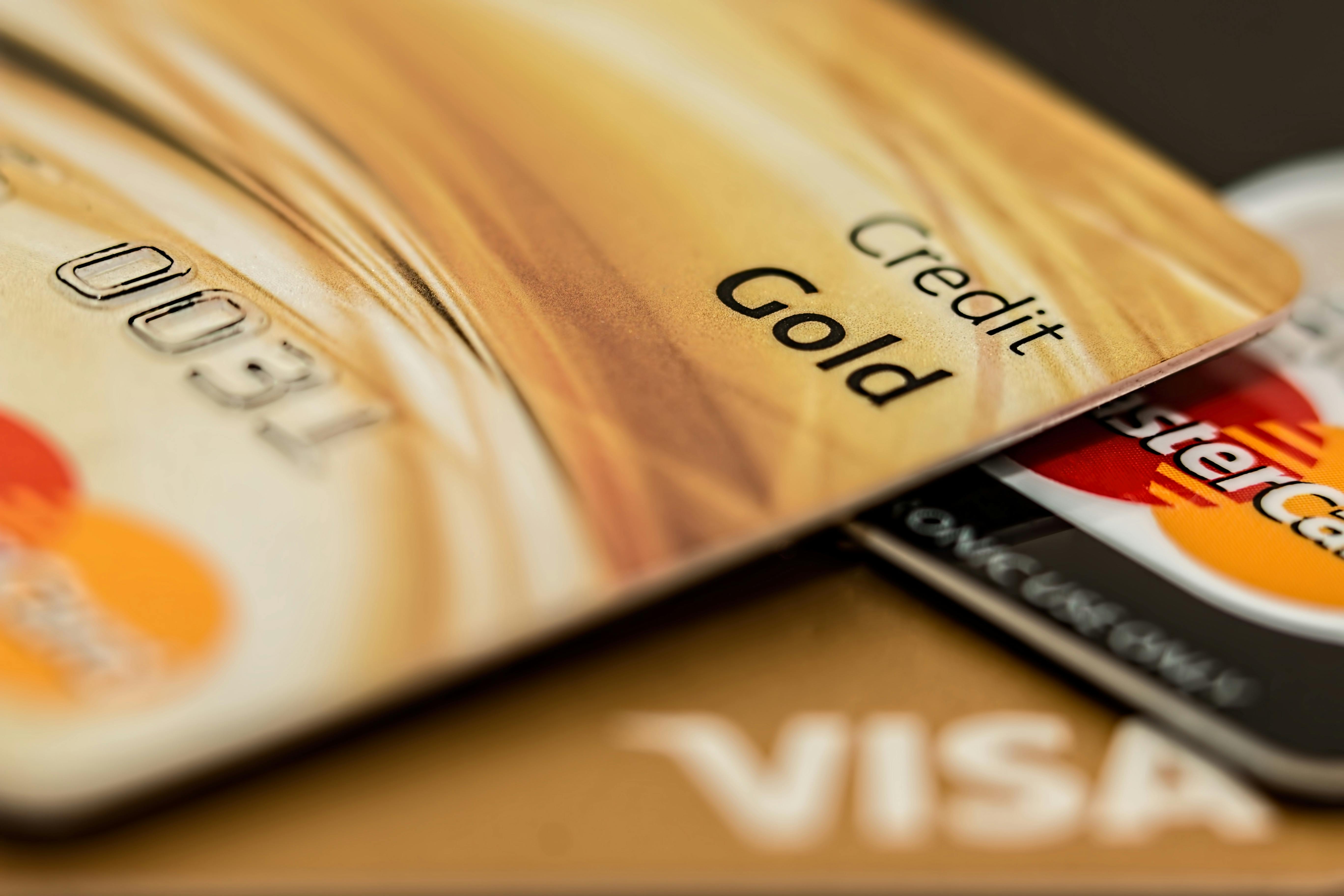
When you pay with a card abroad, the transaction is normally billed in the local currency, and your card network converts it to your home currency using its own exchange rate, which tracks closely with the real market rate. DCC hijacks that step. The merchant's terminal, or the ATM you're withdrawing from, offers to do the conversion itself on the spot, using its own exchange rate instead of your card network's. That rate is set by the merchant's payment processor, not by Visa or Mastercard, and it almost always includes a hidden markup that never shows up as a separate line item.
The pitch sounds reasonable: you'll know exactly what you're paying in dollars, no surprises on your statement. In reality, you're trading a small amount of uncertainty for a markup that's usually much larger than any foreign transaction fee. If you carry one of the no-foreign-transaction-fee cards worth carrying for travel, saying yes to DCC can erase that benefit entirely, because the fee you avoided gets replaced by a bigger one baked into the exchange rate itself.
DCC isn't limited to restaurant card machines. It shows up in three places travelers run into constantly: point-of-sale terminals at hotels, restaurants, and shops; standalone ATMs, especially ones in airports and tourist-heavy neighborhoods; and online checkout pages for international retailers or booking sites that detect your card's issuing country. ATMs are often the worst offender, because the prompt is easy to miss when you're tired, jet-lagged, and just trying to get cash. The screen will ask you to "accept" a conversion rate, sometimes phrased as confirming the transaction, and a rushed tap can lock you into a bad rate before you've had a chance to read it.
Marcus and Priya were on a two-week trip through Italy and Croatia, both carrying different types of cards. Marcus had a card with no foreign transaction fee but wasn't paying attention to DCC prompts, while Priya had gotten burned by DCC on a previous trip and now always declines it.
At a hotel in Rome, Marcus's bill came to €400. The terminal offered to charge him $442 instead, calling it a convenience. He tapped yes without thinking. When he got home, he found his card had actually only converted the transaction at a rate that would have made it $431 had he paid in euros. That's an $11 markup on one transaction, roughly 2.5% extra, on top of the fact that his card charged him no separate foreign fee at all. Priya, at a nearly identical restaurant bill of €180 in Dubrovnik, was asked the same question and firmly said "charge me in euros." Her card network converted it at $193.80, close to the real market rate, with zero added markup.
Over fourteen days of meals, hotels, and a few ATM withdrawals, Marcus estimated afterward that saying yes to DCC every time cost him around $95 extra. Priya, doing the same volume of spending but always choosing the local currency, paid almost exactly what the mid-market exchange rate would have predicted.
The biggest mistake is treating the DCC prompt as a yes-or-no question about convenience rather than a question about price. Travelers also tend to assume that because a number is displayed in their home currency upfront, it must be the better deal, when the opposite is usually true. Another common mistake is rushing through ATM screens, where the "accept conversion" language is often disguised as a routine confirmation step rather than a financial choice. Some people also assume DCC only applies to credit cards, but it hits debit cards and ATM withdrawals just as often, sometimes harder, since ATM DCC markups can run even higher than the ones merchants apply.
A related trap is assuming that because your card carries no foreign transaction fee, you're automatically getting the best possible exchange rate on every purchase. That fee waiver only protects you from your own issuer's markup. It does nothing to protect you from a merchant's DCC markup if you accept it. The two are separate mechanisms, and avoiding one doesn't mean you've avoided the other.
Always choose to be charged in the local currency, not your home currency, whenever a terminal or ATM gives you the option. If the prompt is confusing or in a rush, look for the words "local currency" or the country's currency code (EUR, THB, GBP) and select that option rather than USD. At ATMs, decline any screen that shows a converted dollar amount before you've withdrawn the cash. When booking hotels or activities online from a site based outside the US, check whether the checkout defaults to a foreign currency and manually switch to it if you have a no-foreign-transaction-fee card. And if a card or terminal doesn't state its exchange rate margin clearly, treat that silence as a red flag rather than a sign there's nothing to see.
Dynamic currency conversion turns a seemingly helpful checkout option into one of the more expensive habits a traveler can fall into, and it's specifically designed to look like it's saving you a step rather than costing you money. The fix costs nothing and takes about two seconds: whenever you're asked to choose a currency abroad, pick the local one, every time. Pair that habit with a card that also skips foreign transaction fees, and you've closed both of the common ways travel purchases quietly get more expensive than they need to be. If you're still deciding which perks matter most for a trip, it's also worth checking whether travel insurance coverage many cards already include makes a separate policy unnecessary.
This article is for general educational purposes and is not financial advice. Exchange rates, card terms, and fees change frequently, so confirm current details with your card issuer before making decisions based on this information.
Join the newsletter your bank hates and your wallet loves.
No spam. Unsubscribe anytime.