
Most small business cards quietly report to your personal credit file — sometimes helping your score, sometimes wrecking it. Here's how issuers actually handle reporting in 2026, and how to protect your personal credit while building business credit.

You applied for a business credit card because you wanted to keep your side hustle's expenses separate from your grocery bill. Fair enough. But here's the part almost nobody explains when you sign up: most small business cards still use your Social Security number and your personal credit history to decide whether to approve you, and a good chunk of them will still report your balances and payment history to your personal credit file, not just a business bureau you've never heard of. If you didn't know that, you're not alone — and it can matter a lot more than it sounds.

Unlike a true business entity applying with an EIN and years of revenue history, most sole proprietors and small-business owners apply for cards with a personal guarantee. That means legally, you — the individual — are on the hook for the balance if the business can't pay. Because of that personal guarantee, most issuers pull your personal credit report (a hard inquiry) when you apply, regardless of whether the card has "Business" printed on the front.
What happens after approval varies a lot by issuer. Some card issuers report account activity to the personal credit bureaus (Equifax, Experian, TransUnion) every month, just like a personal card. Others report only to business credit bureaus like Dun & Bradstreet or Equifax Business, which most consumers never check and which don't show up on your personal credit score at all. And a few issuers report to personal bureaus only in specific situations — most notably when an account goes seriously delinquent, gets charged off, or is sent to collections.
That last category is the trap. An owner might carry a card for two years thinking it's invisible to their personal credit, then miss a few payments during a rough quarter, and suddenly a large charge-off shows up on their personal report out of nowhere.
As a general pattern in 2026 (always confirm with your specific issuer, since policies change): many major small-business card issuers report the account's existence, credit limit, and on-time payment history to personal bureaus, which can actually help build your personal credit score over time, similar to an auto-reporting personal card. A smaller number of issuers report almost nothing to personal bureaus unless something goes wrong, which means responsible use won't help your personal score, but it also won't hurt it — until it does.
What almost universally shows up on your personal credit, regardless of issuer policy, is a hard inquiry at the time you apply, and negative information (missed payments, defaults, collections) if the account goes bad. The upside-only or neutral reporting only tends to apply to accounts in good standing.
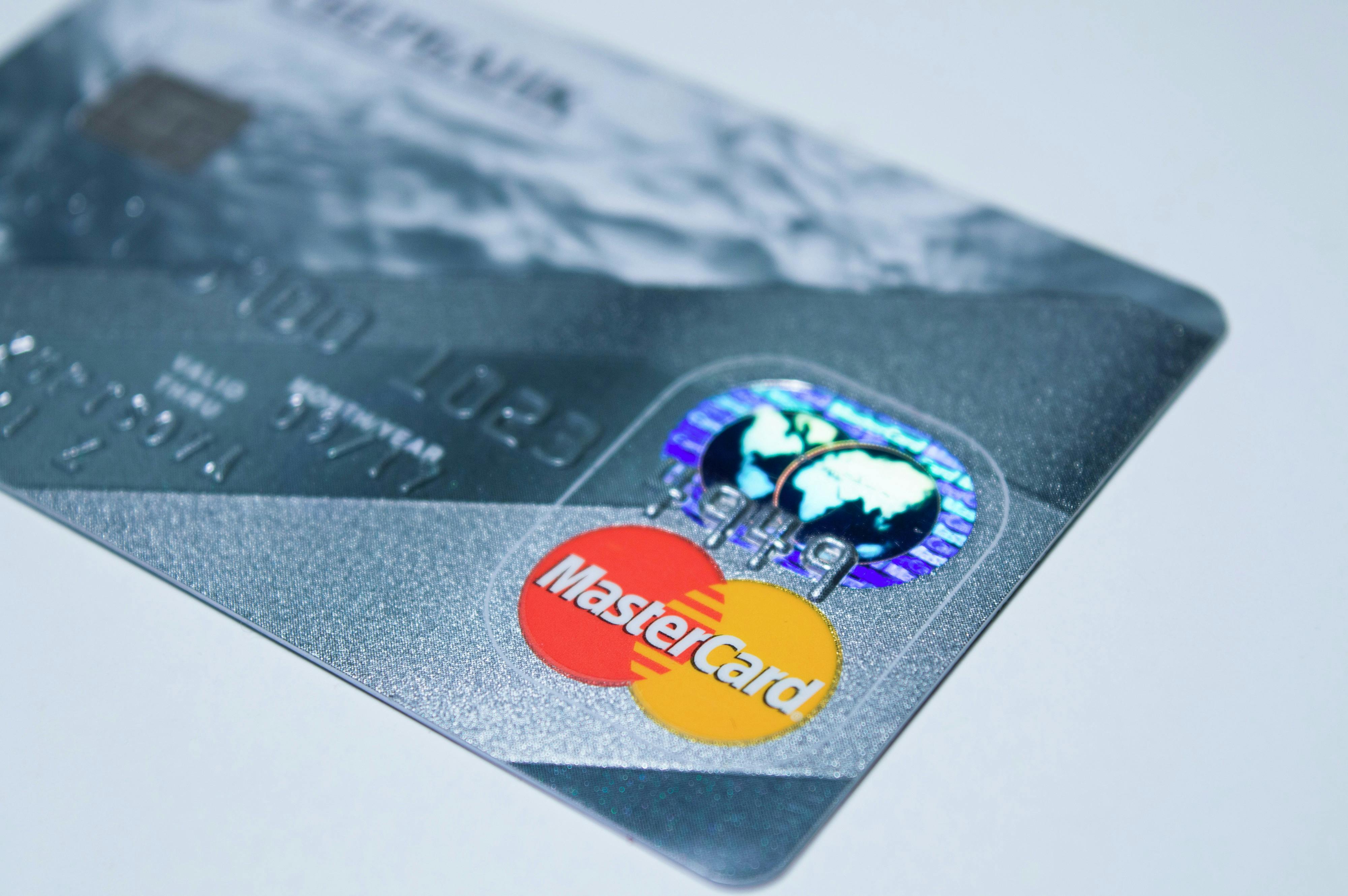
Marcus runs a small landscaping business as a sole proprietor and applied for a business card mainly to earn cash back on fuel and equipment purchases. He assumed, because the card said "business," that it lived in some separate financial universe from his personal life. He used it responsibly for a year, paid it off every month, and never thought about it again — until he pulled his personal credit report before applying for a mortgage and noticed a new account he barely remembered, in good standing, with a $15,000 limit and a spotless payment history. It turned out his issuer reported monthly to personal bureaus, and the extra open account with a high limit and 0% utilization had actually nudged his score up a few points.
Deandra, meanwhile, runs a freelance photography business and picked a different business card from a different issuer — one that, according to its cardholder agreement, only reports to personal bureaus in cases of default. She went through a slow season, fell 90 days behind on a $4,200 balance while she rebuilt her client list, and the issuer eventually reported the delinquency to all three personal bureaus at once. Her personal score dropped more than 100 points overnight, even though the card had never appeared on her personal report while she was current. She hadn't done anything unusual — she just didn't know the account was invisible right up until the moment it wasn't.
Both outcomes were determined less by how responsible each owner was in general, and more by a policy buried in a cardholder agreement neither of them had read closely.
One common mistake is assuming that because a card is labeled "business," it's automatically walled off from personal credit — as Deandra's story shows, that assumption can backfire hard when things go sideways. Another is not knowing which of the small handful of major reporting patterns your specific card follows before you carry a real balance on it; a quick call to the issuer's business card support line, or a careful read of the cardholder agreement's "credit reporting" section, answers this in a few minutes. A third mistake is treating a business card the same as a checking account with a debit card attached — because there's a personal guarantee, a business card is a personal liability wearing a business costume, and it should be underwritten in your head with that in mind. Finally, many owners forget that even cards which report favorably to personal bureaus still generate a hard inquiry on the personal file at application, so opening several "invisible" business cards in a short window can still dent a mortgage application the same way stacking personal cards would.
Before applying for any small business credit card, search the issuer's name plus "personal credit reporting" or call their business card line and ask directly: does this account report monthly to Experian, Equifax, or TransUnion, or only in cases of default? Get the answer in writing if you can, or at least note the date and representative's name. If you're planning a mortgage or auto loan application in the next year, pull your personal credit report from all three bureaus and check whether any existing business cards already show up — that tells you which reporting policy you're already living under. Keep utilization low on any business card that does report to personal bureaus, the same way you would with a personal rewards card, since a high balance can drag your score down just like a personal account would. And if your issue is that your business is inconsistent month to month, consider a card with no annual fee rather than a premium card with a hefty bill, so a slow season doesn't turn a manageable balance into a missed payment.
A business credit card doesn't exist in a separate financial world from your personal life, even when the marketing suggests otherwise. Whether it helps or hurts your personal score comes down to a reporting policy you can usually find out in one phone call — and it's worth making that call before you carry a real balance, not after a rough quarter turns an "invisible" account into a very visible problem. If you're comparing options, our guide to the best small business credit cards breaks down which cards tend to fit steady versus seasonal income.
This article is for general informational purposes only and does not constitute financial or credit advice. Credit card terms, reporting policies, and issuer practices vary and can change; always confirm current terms directly with the card issuer and consult a qualified financial advisor before making credit decisions.
Join the newsletter your bank hates and your wallet loves.
No spam. Unsubscribe anytime.