
Both credit builder loans and secured cards promise to fix a thin or damaged credit file — but they work in very different ways, and picking the wrong one can cost you months of progress.

If you've got little to no credit history — or a score that took a hit and needs rebuilding — you've probably run into two products that keep coming up: credit builder loans and secured credit cards. Both are marketed as the fix. Both report to the credit bureaus. And both can genuinely work. But they move your score in different ways, on different timelines, and they fit different kinds of financial situations, so picking blind can waste months you don't have.
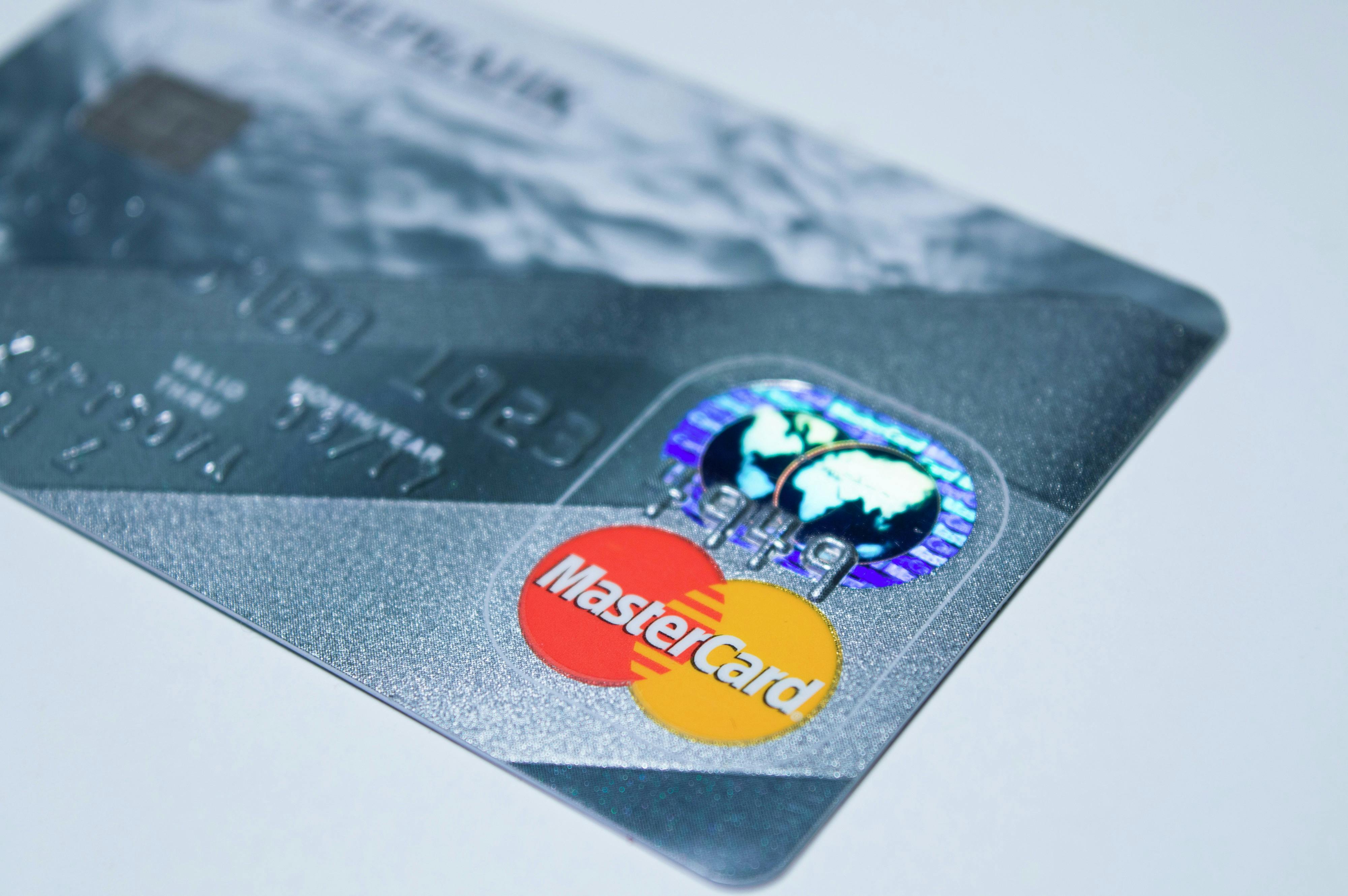
A secured card works like a normal credit card, except you put down a cash deposit — usually $200 to $500 — that becomes your credit limit. You spend against that limit, pay it off monthly, and the issuer reports your payment history and utilization to Equifax, Experian, and TransUnion just like they would for any unsecured card. The deposit protects the issuer if you stop paying, which is why approval is easy even with no credit file at all.
The part that actually builds your score is the same as any revolving account: on-time payments and low utilization. Because it's revolving credit, a secured card also starts shaping your credit mix and, eventually, the average age of your accounts — two smaller factors in your score that a loan can't touch.
A credit builder loan flips the order of a normal loan. Instead of receiving the money upfront and paying it back, the lender holds the loan amount — often $300 to $1,000 — in a locked savings account or CD while you make fixed monthly payments toward it. Once you've paid it off in full, usually over 6 to 24 months, you get the money (minus fees and any interest), and you walk away with a completed installment loan on your credit file.
Because it's an installment loan, not revolving credit, it reports differently. There's no utilization ratio to manage — you're not swiping anything — so the entire benefit comes from consistent, on-time payments over the life of the loan. That also means it adds a different type of account to your credit mix, which can help if all you have (or had) is credit cards.
Secured cards tend to move your score faster in the beginning because utilization is reported monthly and responds quickly — pay it down and your score can bump within a billing cycle or two. Credit builder loans move more slowly and steadily, since payment history builds over the loan's full term and there isn't a fast lever like utilization to pull.
On the other hand, a credit builder loan enforces its own discipline. There's no spending decision to make each month, no temptation to carry a balance, and no risk of maxing out a limit — you just make the scheduled payment. For someone who has struggled with card debt before, that structure can matter more than speed.
Secured cards sometimes charge an annual fee on top of tying up your deposit, though a growing number of no-annual-fee options exist if you look for no-annual-fee cards built for credit building. Watch for cards that charge for basic account maintenance — that's money you're paying just to build credit that a fee-free card wouldn't cost you.
Credit builder loans usually charge interest on the full loan amount even though you never had access to the money while paying it down, which is effectively the price of the credit-building service. Community banks and credit unions tend to offer the cheapest versions; some nonprofit lenders even rebate part of the interest as a completion bonus.
Deja, 24, has no credit history at all — she's never had a card or a loan. She opens a secured card with a $300 deposit, uses it for one recurring $30 subscription each month, and pays it off in full before the statement closes. After six months of on-time payments and near-0% reported utilization, she has a starter score in the high 600s and enough history to apply for an unsecured cash back card.
Marcus, 31, has a thin file and a habit of overspending on cards that he's actively trying to break. He opts for a 12-month credit builder loan at his local credit union, paying $45 a month into a locked account. He never has to resist the urge to spend, because there's nothing to spend — just a fixed payment. At the end of the term, he gets his $500 back (minus about $30 in interest) and a completed installment loan reporting perfect payment history, which nudges his score up steadily the whole way through.
Both strategies work. Deja needed speed and a first revolving account. Marcus needed a system that removed temptation entirely.
One mistake is opening a secured card and immediately maxing it out, thinking any activity helps — high utilization can actually drag your score down even while you're making payments. Another is choosing a credit builder loan with a sky-high APR from a predatory lender rather than shopping local credit unions or community banks first. People also forget to check whether an account reports to all three bureaus; some smaller lenders only report to one or two, which limits how much the account helps if a lender you're applying to pulls a different bureau. Finally, closing a secured card too early — right after being approved for a better card — can shorten your average account age and ding your score right when you don't want it to.
Start by pulling your credit report for free to confirm what's actually on file before choosing either product. If you want faster movement and don't trust yourself with a spending limit, lean toward a credit builder loan from a credit union. If you're comfortable managing a small recurring charge and paying it off in full every month, a secured card with no annual fee is usually the quicker path. Either way, set up autopay so a missed payment never undoes months of progress, and plan to reassess in six months — many issuers will refund your deposit and upgrade you to an unsecured card automatically once you've shown a track record.
Neither product is inherently better — they solve different problems. A secured card builds credit through the same mechanics as any card you'll use for the rest of your life, which makes it a natural entry point if you plan to use cards long-term. A credit builder loan builds credit through pure discipline, which makes it the better fit if temptation, not opportunity, has been your issue. Many people end up using both, one after the other, to build a broader credit file faster than either could alone.
This article is for general educational purposes and does not constitute financial advice. Credit building strategies and outcomes vary by individual circumstances; consult a financial advisor or credit counselor for guidance specific to your situation.
Join the newsletter your bank hates and your wallet loves.
No spam. Unsubscribe anytime.