
That extra 3% on your receipt isn't always legal, and it isn't always what it looks like. Here's how surcharges, convenience fees, and cash discounts actually work in 2026.

You hand over your card at the corner deli, and the little screen flips to a total that's 3% higher than the price on the chalkboard. Or you pay your rent online and a "convenience fee" tacks on an extra $12 out of nowhere. You didn't imagine it, and you're not the only one seeing it more often. As card-processing costs keep climbing, more merchants are quietly passing that cost back to you at checkout, and the rules for when they're allowed to do that are messier than almost anyone realizes.
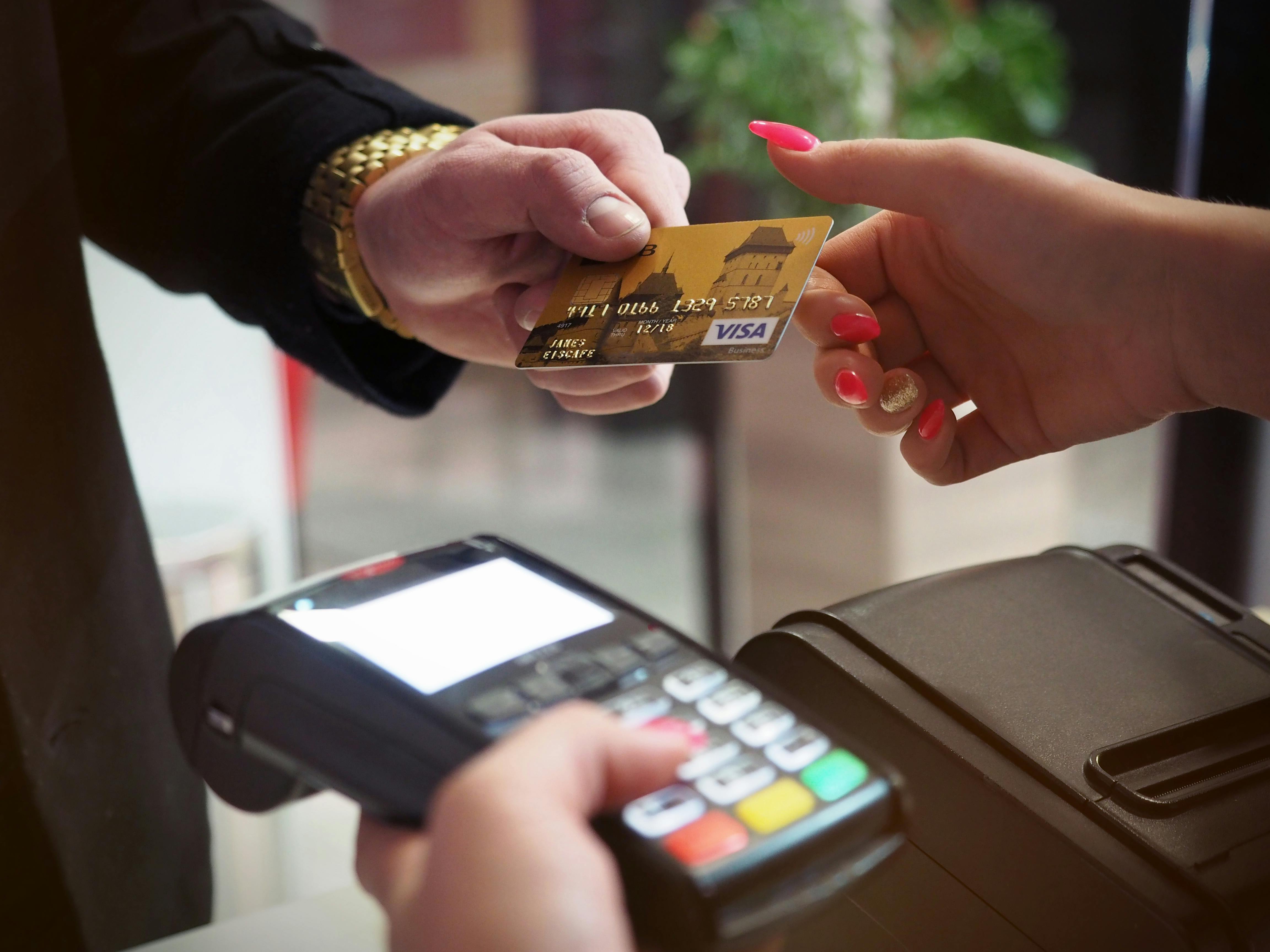
Every time you tap, swipe, or insert a card, the merchant pays a small cut of the sale, usually somewhere between 1.5% and 3.5%, to the card network and the bank that issued your card. For decades, most businesses just ate that cost and folded it into their prices. Rising rents, thinner margins, and a 2024 legal settlement that made it easier for merchants to add these charges have pushed a lot of small businesses to stop absorbing it quietly. Newer point-of-sale systems also make it a one-click setting to turn a surcharge on, which is a big part of why you're seeing this at the taco truck and the tattoo shop now instead of just at the DMV.
These three terms get thrown around interchangeably, but they work differently, and the difference matters for whether the charge is even legal.
A surcharge is a percentage added specifically for using a credit card, calculated on the total sale. A convenience fee is usually a flat dollar amount (or sometimes a percentage) charged for the convenience of paying through a particular channel, like phone or online, regardless of card type. A cash discount is the same idea flipped around: the "sticker price" already assumes card payment, and you get a discount for paying cash. Cash discounts are legal everywhere in the US, because technically nobody's being charged extra, they're just not getting a discount.
Credit card surcharging is legal in most states now, but a handful, including Connecticut and Massachusetts, still restrict or ban it outright, and even where it's allowed, card network rules add another layer: surcharges are generally capped around 3% (and can't exceed the merchant's actual processing cost), can't be applied to debit cards, and the merchant is supposed to post clear signage before you pay, not spring it on you at the register. Convenience fees follow a different rulebook. They're typically only allowed for non-standard payment channels, like paying a bill by phone instead of mailing a check, and processors generally require them to apply equally to all card types. A restaurant charging a convenience fee just because you tapped your card at the counter, where cash and card are both normal options, is on shakier ground than a landlord charging one for phone payments.

Look for signage near the register or checkout screen, since disclosure is required almost everywhere surcharging is legal. Watch the subtotal-to-total jump on the payment screen itself; a lot of point-of-sale systems show the fee as a separate line right before you confirm. If you're paying online, check whether the fee changes when you switch payment methods in the same checkout flow, which is a tell that it's tied to card use rather than a blanket price increase. And if you're a tap-to-pay and digital wallets user, know that mobile wallet transactions usually get treated the same as the underlying card for surcharge purposes, so switching to Apple Pay doesn't dodge the fee.
Priya runs a small pottery studio and started surcharging 3% on card payments in January after her processor raised rates. On a $600 class package, that's an extra $18, clearly itemized on the receipt, with a sign on the counter since November. Her customer Dante paid by card without noticing the sign, saw the $618 total, and asked about it. Because Priya had disclosed it properly and stayed under the 3% cap, there was nothing to dispute, he just switched to paying by bank transfer for future sessions to skip the fee. Contrast that with Dante's gym, which added a flat $9.95 "processing fee" to his monthly card payment with no signage anywhere and no cash option offered at all. That one is the kind of charge worth pushing back on, because a fee without disclosure or an alternative payment path is exactly what most state surcharge laws are designed to prevent.
People often assume any extra charge for using a card is illegal, when in most states it's actually allowed if disclosed properly, so the fight isn't "is this legal" so much as "did they disclose it and stay under the cap." Others assume the opposite, that if a business is doing it, it must be fine, even when there's no signage and no alternative payment method, both of which are usually required. A lot of shoppers also don't realize debit cards are supposed to be exempt from surcharges under network rules, so a flat surcharge applied to a debit swipe is worth questioning. And if a charge does look wrong and you paid anyway, remember that credit card chargebacks exist for exactly this kind of billing dispute, not just for fraud.
Check for posted signage or an on-screen disclosure before you tap your card, and if you don't see one, ask what the fee covers. Compare the subtotal and total on the payment screen rather than glancing at just the final number. Ask if there's a cash or bank-transfer option, since offering one is often a legal requirement tied to surcharging. For recurring bills like rent or utilities, look for a free ACH or bank-debit option before defaulting to your card, since that's usually where convenience fees are steepest. And if you want the points without the fee math, a straightforward cash back card with no annual fee can still put you ahead even after a 2-3% surcharge on everyday purchases, as long as your rewards rate clears that bar.
Surcharges and convenience fees aren't going away, they're becoming a normal part of paying with plastic as processing costs rise. The good news is they're not a free-for-all: disclosure requirements, network caps, and state laws still apply, so a little bit of label-reading at checkout tells you fast whether a fee is a legitimate cost pass-through or a business quietly breaking its own processor's rules. Browsing creditable.co/credit-cards for a card with strong everyday rewards is still one of the easiest ways to make sure those small fees don't quietly outpace what you're earning back.
This article is for general informational purposes only and does not constitute financial, legal, or tax advice. Surcharge and convenience fee laws vary by state and change over time; consult a qualified professional or your card issuer for guidance specific to your situation.
Join the newsletter your bank hates and your wallet loves.
No spam. Unsubscribe anytime.