
Every major card issuer promises you won't pay for fraud. Here's what zero-liability protection really covers, where it comes from, and the gaps that trip people up.

Marisol Ortiz didn't notice the charge until her bank app pinged her at 11:47 p.m.: $612.40 at an electronics store in a city she'd never visited. She hadn't lost her card, hadn't clicked a shady link, hadn't given her number to anyone. Three weeks later the charge was gone from her statement, like it had never happened. That's zero-liability protection doing exactly what it's supposed to do. But ask most cardholders what the protection actually covers, and you'll get a shrug — which is a problem, because the fine print has more edges than the commercials let on.
In plain terms, a zero-liability policy is a promise from your card network that you won't be held responsible for charges you didn't authorize. If someone steals your card number and goes on a spending spree, you report it, the issuer investigates, and the fraudulent charges get reversed. You never pay them, and the disputed amount typically comes off your balance within one or two billing cycles while the investigation runs.
This isn't just a marketing line — it's built into how Visa, Mastercard, American Express, and Discover all operate their US consumer card programs, and every major issuer that runs cards on those networks has adopted some version of it. It's also broader than what federal law technically requires. The Fair Credit Billing Act caps your legal liability for unauthorized credit card charges at $50, but in practice you'll almost never pay even that, because the card networks' own zero-liability rules go further than the legal minimum.
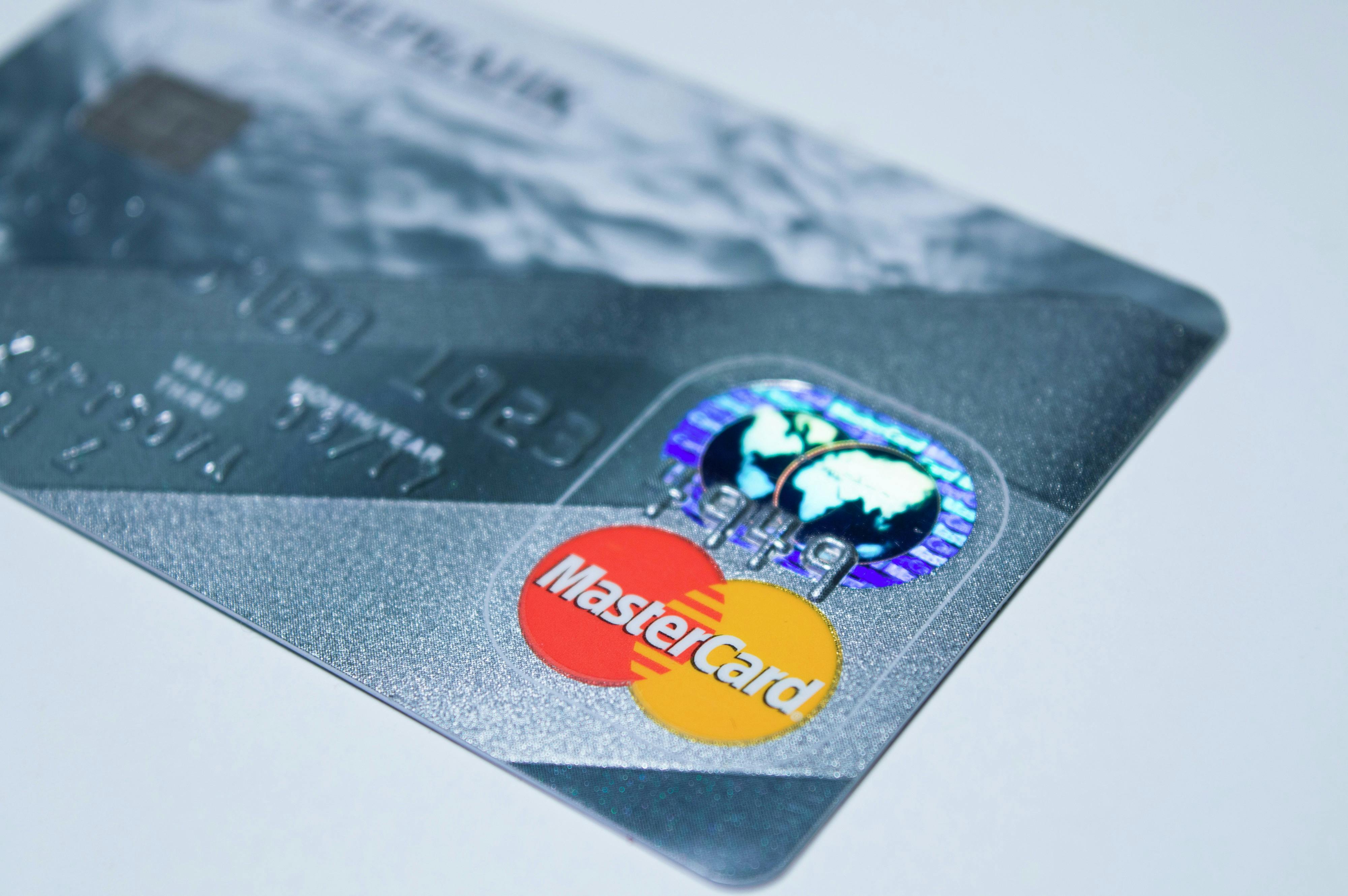
The zero-liability guarantee is a network-level policy, not a government mandate, which matters more than it sounds like it should. It means the exact terms can vary slightly by issuer and by how a transaction happened. A physical card that's lost or stolen and used for in-person purchases is covered. A card number skimmed from a gas pump or lifted in a data breach and used for online purchases is covered. If you've set up virtual card numbers for online shopping, a compromised virtual number is covered the same way, and using them in the first place cuts down how often your real number is exposed at all.
What trips people up is assuming this protection is automatic and permanent no matter what they do after noticing something's wrong. It isn't. Most issuer agreements require you to report unauthorized use "promptly" — language that's vague on purpose, but in practice means don't sit on a suspicious charge for three months hoping it resolves itself. The faster you report it, the cleaner the process, and the less likely you are to run into a liability argument at all.
Here's the part the ads skip: zero liability applies to unauthorized transactions, not to purchases you made and later regret, or transactions you authorized under false pretenses that don't meet the legal definition of fraud. If you buy something and the seller never ships it, that's a billing dispute you resolve through your card's dispute process, not a zero-liability claim, though the practical effect — you don't pay for something you didn't get — often ends up similar. If you willingly hand your card number to a scammer because you believed a fake tech-support call, some issuers treat that differently than a stranger stealing your number outright, since you technically authorized the transaction at the time, even though you were deceived. It's a gray area, and it's exactly the kind of case where a credit freeze on your broader credit file, separate from your card account, adds a layer of protection zero liability was never designed to provide.
Zero liability also doesn't protect your credit score from damage if fraudulent activity opens new accounts in your name rather than just charging your existing card — that's identity theft, a different and messier problem than a stolen card number.
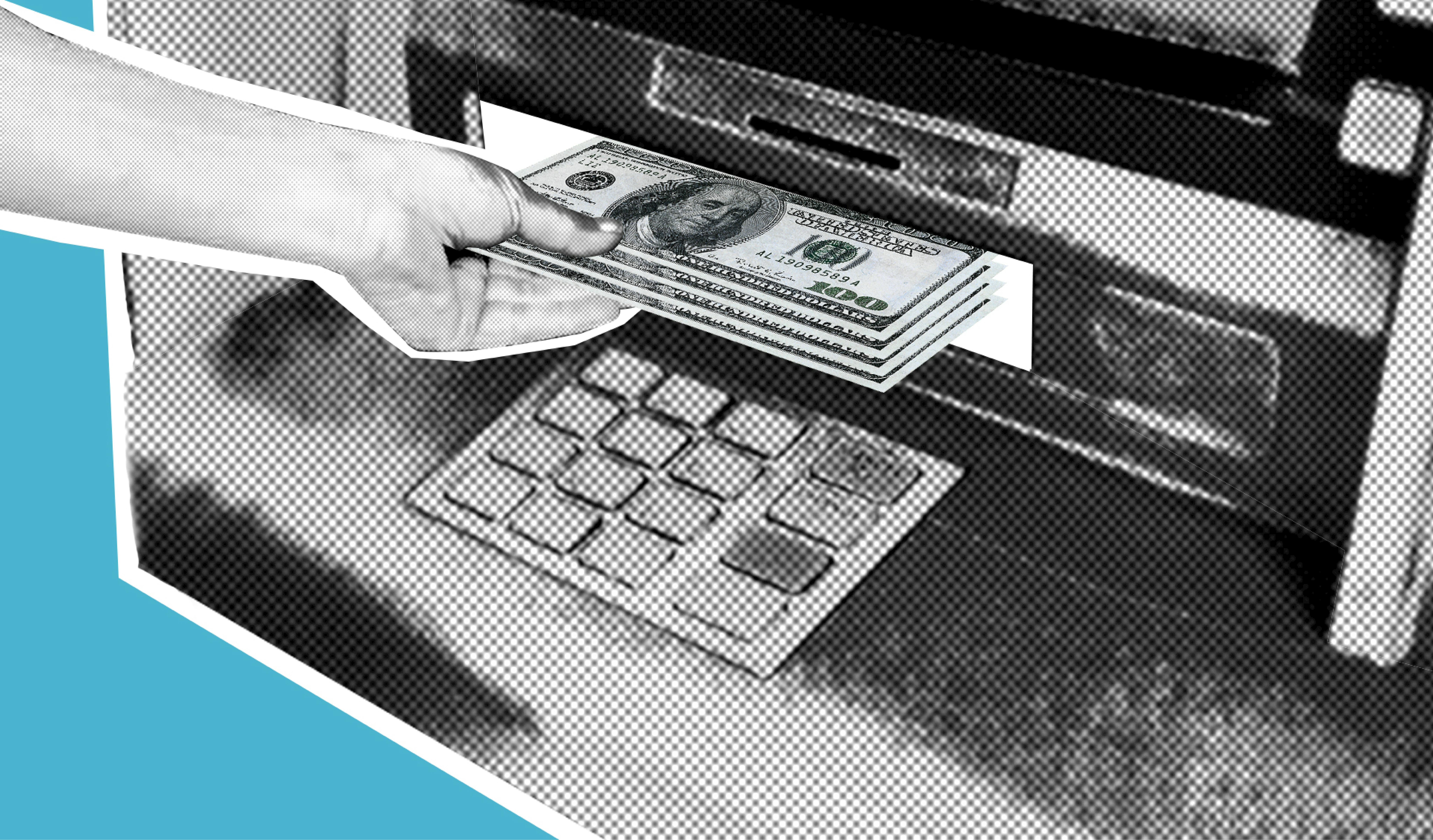
This is the gap that catches people off guard the most: debit cards are not protected the same way, even when they carry the same Visa or Mastercard logo. Federal law (the Electronic Fund Transfer Act) sets a sliding scale of liability for debit cards based on how quickly you report the loss — as little as $50 if you report within two business days, but potentially $500 or more if you wait longer, and unlimited liability after 60 days from your statement date. Many banks voluntarily extend zero-liability protection to debit cards too, but it's a courtesy, not a guarantee, and it's worth confirming with your specific bank rather than assuming it matches your credit card.
This is one of the more practical reasons people keep a rewards card like a cash back card or a travel rewards card as their default spending tool instead of a debit card: the liability exposure while a dispute gets sorted out is meaningfully lower, and the money in a fraud dispute is the bank's, not yours, while it's being investigated.
Deandre Watkins and his roommate Priya Nair had almost identical experiences within the same month, and it shows the gap clearly. Deandre's credit card number was used for $340 in fraudulent purchases at a store he'd never heard of. He noticed it on his statement four days later, called his issuer, and had the charge removed within a week. He was out $0, and the only cost to him was about twenty minutes on the phone.
Priya's debit card was compromised the same week, and $340 was pulled straight from her checking account. She didn't check her account for eleven days because she was traveling. Her bank's dispute process took three weeks to resolve, and because she reported it after the two-business-day window (though still well within 60 days), her bank's policy technically allowed them to hold her liable for up to $500 — though in her case, because her bank does extend zero-liability coverage voluntarily to debit cards reported within 60 days, she ultimately got the full $340 back. The difference wasn't the fraud. It was which type of card it hit, and how quickly each of them noticed.
The most common mistake is treating a debit card exactly like a credit card for liability purposes, when the underlying law and the issuer's discretion work differently. A close second is waiting to report a suspicious charge because it's small — a $4 charge from an unfamiliar merchant is often a fraudster testing whether a stolen number works before making a bigger purchase, and catching it early can stop a much larger loss. People also assume zero liability means the money reappears instantly; in reality, most issuers open an investigation first, which can take a few days to a few billing cycles, even though you're not required to pay the disputed amount in the meantime.
Check your specific card issuer's zero-liability terms rather than assuming they match the network's baseline promise, since some issuers add conditions. Turn on transaction alerts for every purchase over a small dollar threshold so you see unauthorized charges within hours, not weeks. Use virtual card numbers for online purchases where your issuer offers them, since a compromised virtual number is easier to shut down without affecting your physical card. Report anything unauthorized the same day you notice it, by phone rather than just through an app message, so there's a clear timestamp on your report. And if you suspect a broader identity theft problem rather than just a stolen card number, put a credit freeze on your reports at all three bureaus, since that's a separate protection zero liability doesn't provide.
Zero-liability protection is real and it works the way the commercials promise — for unauthorized charges on a credit card, reported reasonably promptly. It's just narrower than most people assume, doesn't extend the same way to debit cards, and doesn't cover every flavor of financial scam that ends with money leaving your account. Knowing exactly where the line sits means you can react fast when something looks wrong, instead of assuming a promise applies to a situation it was never built to cover.
This article is for general educational purposes and isn't financial or legal advice. Liability terms vary by card issuer and by state; check your cardholder agreement or contact your issuer directly for the specifics that apply to your account.
Join the newsletter your bank hates and your wallet loves.
No spam. Unsubscribe anytime.