
Most travel cards claim to cover your rental car, but the fine print decides whether that promise actually pays out. Here's what's primary, what's secondary, and what still slips through the cracks in 2026.

You get to the rental counter, the agent slides a tablet at you, and asks if you want to add collision coverage for $19 a day. You've heard your credit card already covers this. Do you decline and save the money, or is that a $3,000 mistake waiting to happen? The honest answer is: it depends on which card is in your wallet, which country you're renting in, and whether you read the guide to benefits before you needed it.
When a card advertises rental car insurance, it's almost always referring to a Collision Damage Waiver (CDW) benefit, sometimes called Loss Damage Waiver (LDW). This reimburses you for damage to or theft of the rental vehicle itself. It is not liability insurance — it doesn't cover injuries to other people or damage to their property. If you cause an accident that hurts someone else or wrecks another car, your personal auto policy (or a separate liability add-on from the rental company) is what protects you, not your card.
There are two flavors of card coverage: primary and secondary. Secondary coverage, which is far more common, only kicks in after your personal auto insurance has paid out what it's going to pay. That means you may still have to file a claim with your own insurer first, which can bump your premiums even though the card eventually reimburses your deductible. Primary coverage, found on some premium travel and travel rewards cards, pays out directly without touching your personal policy at all — which is the version worth actually seeking out if you rent cars more than once or twice a year.
Card issuers set several conditions that are easy to miss. You typically have to decline the rental company's own CDW/LDW to activate the card's benefit — accepting both doesn't stack coverage, it just means you paid twice. You usually have to pay for the entire rental with the eligible card, not split it across a card and cash, and the card has to belong to the person listed as the primary renter. Trips longer than a set number of consecutive days (commonly 15 to 31) can fall outside the benefit entirely, which matters more now that remote work has made month-long "workcations" common.
Country and vehicle exclusions matter too. Many benefits exclude rentals in Ireland, Israel, Jamaica, and a handful of other countries, along with exotic, antique, and certain truck or van categories. If you're planning a trip abroad, it's worth checking your specific card's benefits guide rather than assuming coverage travels with you everywhere.
If you already carry comprehensive and collision coverage on your personal auto policy, your card's CDW is really there to cover your deductible and prevent a claim from touching your rates. If you don't own a car and don't carry auto insurance at all, the card's rental coverage becomes far more important, since you may have no other protection against a total loss. For anyone renting frequently for business, it's also worth comparing the card's terms against a standalone auto insurance policy add-on, since some insurers now offer inexpensive rental gap riders.
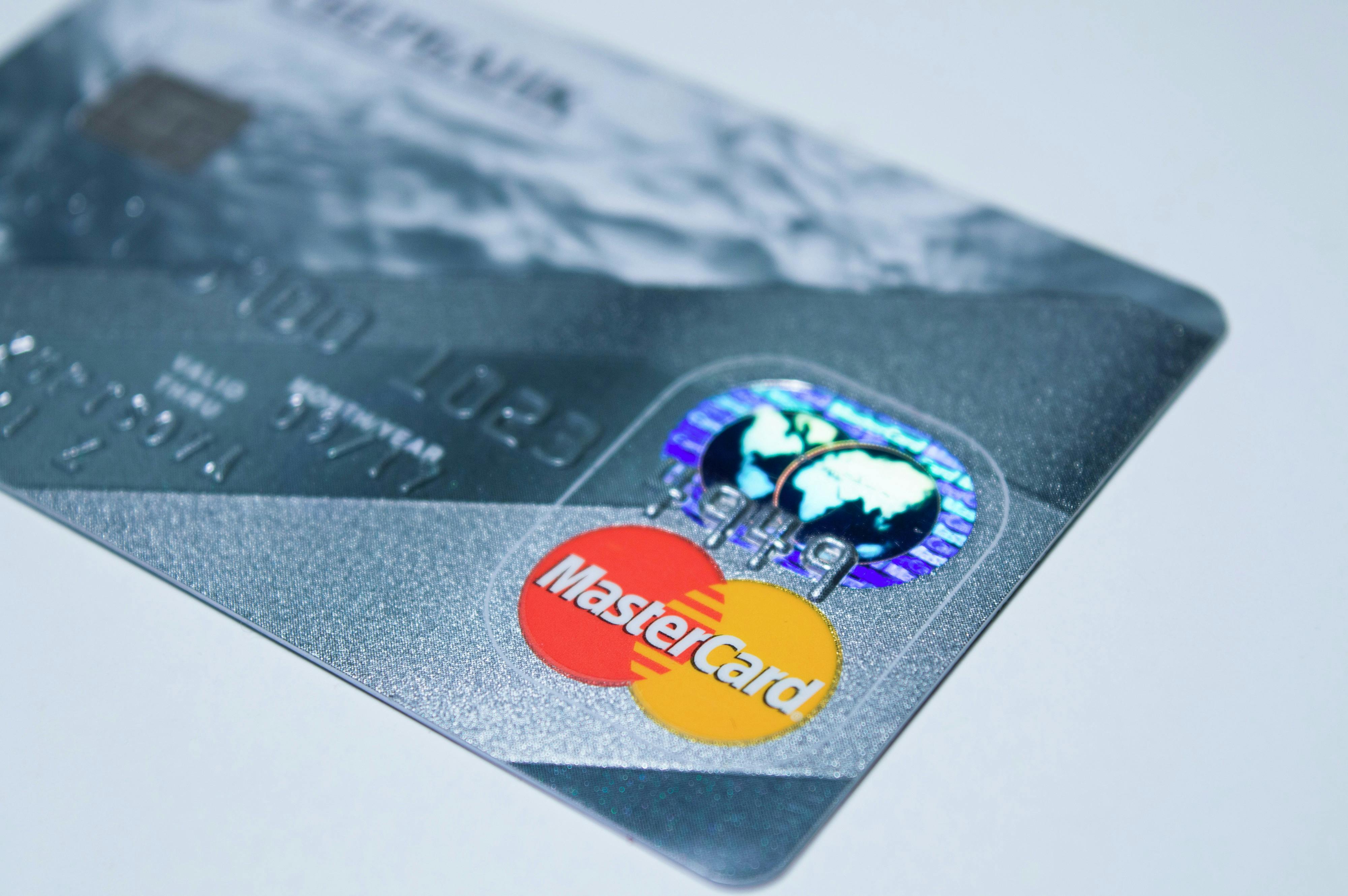
Dara rents a midsize sedan for a five-day work trip and uses her rewards card that advertises secondary rental coverage. On day three, another driver backs into the parked car in a hotel lot, denting the rear bumper. Dara declines the rental company's $22-a-day CDW at pickup specifically because her card covers it, and she pays for the entire rental on that card. The rental company bills her $1,150 for the repair. Because her coverage is secondary, she first files a claim with her personal auto insurer, which pays $900 after her $250 deductible. She then submits the claim paperwork, police report, and the itemized rental bill to her card issuer, which reimburses the $250 deductible. Net cost to Dara: $0, but it took about six weeks and two separate claims processes to get there.
Her coworker Femi rents a car the same month using a premium card with primary coverage. When his rental gets a cracked windshield from road debris, he skips his personal insurer entirely, files directly with the card issuer, and is reimbursed the full $340 repair bill within two weeks — with no dent in his personal insurance claims history.
A lot of people assume every travel card includes primary coverage, when secondary is the norm. Others accept the rental company's CDW out of habit while also carrying eligible card coverage, effectively paying twice for the same protection. Splitting the payment between a debit card and the eligible credit card is another frequent error that can void the benefit entirely, since most issuers require the full charge on the covered card. Finally, people often skip registering for the benefit (some issuers require you to enroll a card once before rentals qualify) or fail to keep the final rental agreement and damage invoice, which are usually required documents for any claim.
Before your next rental, pull up your card's guide to benefits (issuers publish these as PDFs) and confirm whether your coverage is primary or secondary, which countries are excluded, and the maximum rental length covered. At the counter, decline the rental company's CDW/LDW only if you've confirmed your card qualifies, and pay for the full rental on that one card. Keep digital copies of your rental agreement and any accident documentation, since claims are usually decided on paperwork, not phone calls.
Credit card rental car coverage can genuinely save you real money, but it's a benefit you have to actively manage rather than assume. Know whether your coverage is primary or secondary, pay attention to the exclusions, and keep your paperwork, and the $19-a-day upsell at the counter becomes an easy no.
This article is for general informational purposes and isn't personalized financial, legal, or insurance advice. Credit card benefits and insurance terms change and vary by issuer and card; always confirm current coverage details directly with your card issuer and rental agreement before declining any rental company coverage.
Join the newsletter your bank hates and your wallet loves.
No spam. Unsubscribe anytime.