
Your issuer's fraud models get smarter every year, catching more stolen cards but also flagging more real purchases by mistake. Here's how the system actually works and what to do when it gets you wrong.

Your card gets declined at the grocery store and you have no idea why. You've got the money, the card isn't expired, and you used it at the same register last week without a hitch. What actually happened is that somewhere in a data center, a machine learning model looked at your purchase in the split second between swipe and approval, decided it looked unusual, and killed the transaction before a human ever saw it. That's not a glitch. That's the system working exactly as designed, and in 2026 it runs on a level of AI sophistication that barely existed a few years ago.
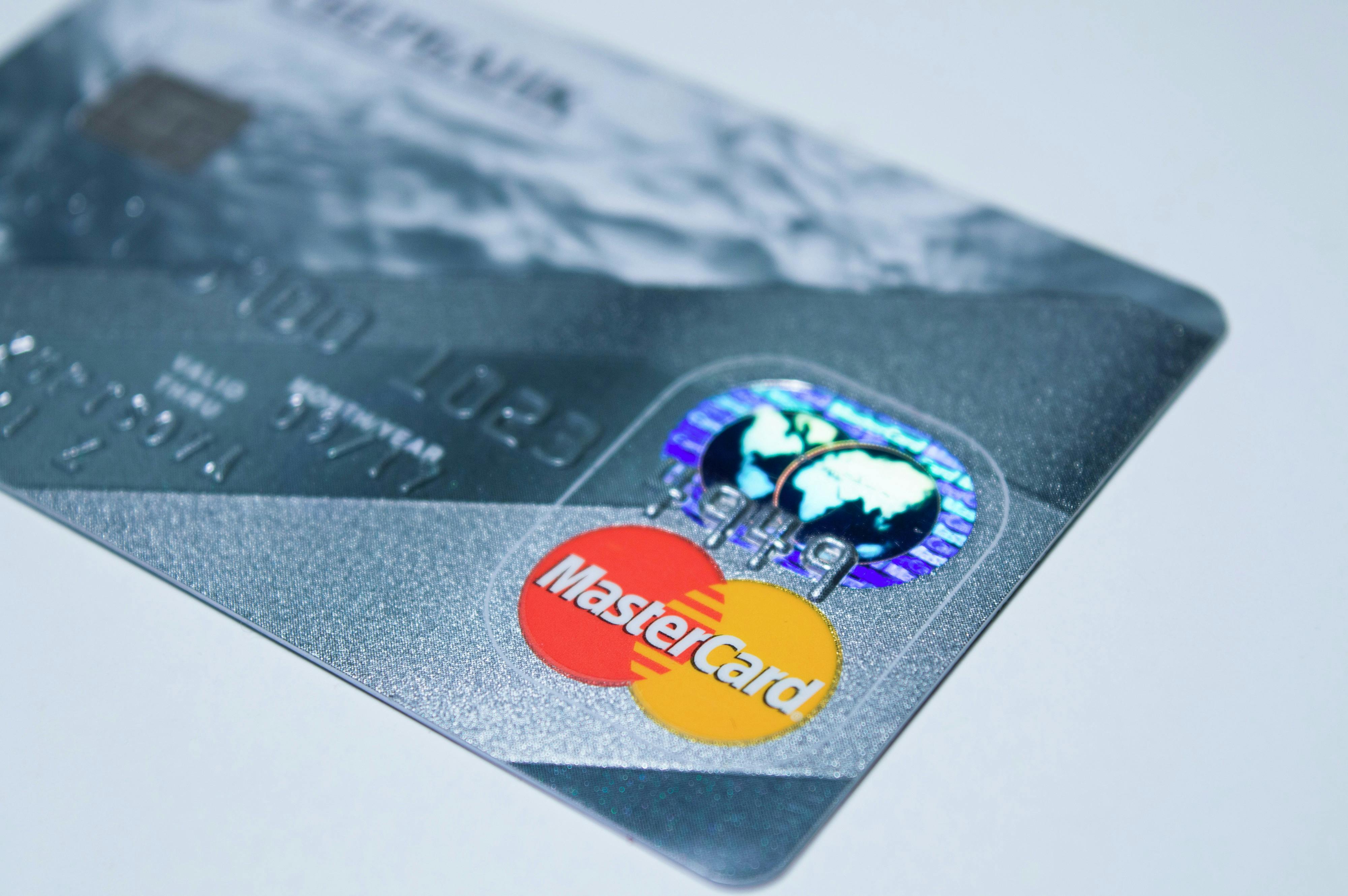
Card fraud detection used to run on simple rules: flag a $2,000 purchase in a country you've never visited, flag five transactions in ten minutes, flag anything over a set dollar threshold. Those rules still exist, but they're now just one layer. The real engine underneath is a machine learning model trained on billions of transactions across an issuer's entire customer base. Instead of judging your purchase in isolation, it compares it against your personal spending fingerprint, the behavior of merchants you're buying from, and patterns seen across millions of other cardholders in real time. Every swipe gets a risk score in a few hundred milliseconds, and if that score crosses a threshold, the transaction gets declined before it ever reaches your bank statement.
Modern fraud models weigh dozens of signals at once: the merchant category, the time of day, your device or card's physical location versus your usual pattern, how long you've had the card, whether you're buying something that fraudsters commonly test with (gift cards and electronics are classic targets), and even the order you're doing things in, like tapping your card two seconds after opening a new browser tab. None of these signals alone would trigger a decline. It's the combination that pushes your risk score up or down, and the model is constantly retrained on new fraud patterns as scammers change tactics.
Here's the frustrating part: as these models get better at catching fraud, they also get more aggressive about flagging anything unusual, which means more legitimate purchases get caught in the net. If you travel somewhere new, buy a big-ticket item you don't normally buy, or suddenly change your shopping habits (say, after a move or a new job), you're statistically more likely to look like a stolen card to a system trained on averages. Issuers know this trade-off exists. Catching one more stolen card is worth annoying a percentage of real customers, at least from a fraud-loss standpoint, which is why declines for legitimate purchases have become more common even as overall fraud rates have dropped.

It's not all inconvenience. These same models are why most people who have their card number stolen never actually lose money. Real-time scoring means a stolen card can get shut down within seconds of the first fraudulent swipe, often before the cardholder even notices anything is wrong. Many issuers now pair this with instant push notifications, so if someone tries to use your card at a gas station across the country, you'll likely get an alert on your phone before the transaction even finishes processing. That speed is the direct result of AI moving fraud detection from a nightly batch review to a real-time decision made on every single transaction.
If you get a false decline, the fastest fix is usually the issuer's app: most now have an in-app "yes, this was me" button that clears the hold within a minute or two, faster than calling. If there's no app option, call the number on the back of the card rather than any number texted to you (a text claiming to be your bank asking you to "verify" a transaction is itself a common phishing tactic). It also helps to give your issuer a heads-up before unusual spending: if you're about to travel or make a large purchase you don't normally make, a quick note in the app can lower your risk score for that window and cut down on false flags in the first place.
Deondre was three days into a work trip to Lisbon when his no-annual-fee card got declined buying a $340 train pass. He'd used the same card at a restaurant the night before without issue, so the block caught him off guard. It turned out the train pass purchase looked odd to the model because it was a much larger single transaction than his usual pattern, made through a third-party ticketing site the model had flagged for elevated fraud rates that month. He opened his banking app, tapped "confirm this was me," and had the card working again in under two minutes, no phone call required.
His coworker Priya had a rougher time. Someone had cloned her card number from a compromised gas station reader back home, and the fraud model caught it almost immediately: a $4 test charge at a random online store, followed ninety seconds later by an attempted $890 electronics purchase. The model blocked the second charge entirely and texted her a fraud alert before she'd even opened her phone. She confirmed she hadn't made either purchase, the issuer reversed the $4 charge, canceled the card, and had a replacement shipped within two business days. Priya lost zero dollars and about fifteen minutes of her time; a decade ago, that same theft might have taken weeks to detect and resolve.
One mistake people make is ignoring fraud alert texts because they assume it's a scam, when in reality legitimate issuers do send real-time fraud alerts by text and email now. The safer habit is to never click a link in the alert; instead, open your banking app directly or call the number on your card. Another common mistake is not updating your contact info with your issuer after changing your phone number, which means fraud alerts and false-decline confirmations never reach you. People also tend to assume a decline means something is wrong with their account balance or credit limit, when it's actually a fraud-model flag most of the time; checking your available credit in the app first can save you an unnecessary panic. Finally, some cardholders wait to report unauthorized charges because the dollar amount seems too small to bother with, but small test charges are often the first sign of a bigger attempted fraud, and reporting them early helps the model (and your issuer's fraud team) shut things down before a bigger charge goes through.
Turn on real-time purchase notifications in your card's app so you see every charge as it happens, not just the fraudulent ones. Save your issuer's fraud line as a contact in your phone under a clear name like "Card Fraud Line" so you're not searching for it while panicked. Give your issuer a heads-up before unusual spending, like a big trip or a large purchase outside your normal pattern, to reduce the odds of a false decline. Review your statement at least monthly rather than assuming the fraud model caught everything, since some sophisticated fraud is designed to mimic normal spending and slip past automated flags. And keep a backup payment method on hand when traveling, since even a fast false-decline resolution can cost you a few awkward minutes at checkout.
AI-driven fraud detection is one of the rare cases where a financial system getting more automated has genuinely made things safer for the average cardholder, cutting the time between a stolen card and a shut-down account from days to seconds. The trade-off is more false declines for real purchases, especially when your spending looks unusual to a model trained on averages. Knowing how to clear a false decline quickly, and treating every fraud text as worth a direct call or app check rather than a click, is the best way to get the benefit of faster fraud protection without the headache.
This article is for informational purposes only and does not constitute financial advice. Fraud detection practices, notification methods, and dispute processes vary by card issuer. Contact your card issuer directly for details about your specific account and to report suspected fraud.
Join the newsletter your bank hates and your wallet loves.
No spam. Unsubscribe anytime.