
Approved for a new card but the plastic hasn't arrived? Here's how instant digital card provisioning works in 2026, which issuers offer it, and how to use it safely.

You just got approved for a new credit card, and the confirmation screen says your physical card will arrive in 7 to 10 business days. A decade ago that meant waiting. In 2026, for most major issuers, it doesn't — you can often start spending within minutes, straight from your phone.
This is called instant digital card issuance, and it's quietly become one of the more useful features in the credit card world, even though almost nobody talks about it compared to sign-up bonuses or rewards categories. If you've never used it, or didn't know it existed, here's the full rundown.
When you're approved for a credit card, the issuer creates a full account — a real card number, expiration date, and security code — before the physical card is ever manufactured. Historically that account just sat there waiting for plastic to arrive in the mail. Now, many issuers expose that account number to you immediately through their app and let you load it straight into a digital wallet.
Once it's in your wallet, you can tap to pay in stores, use it for online checkout, and in some cases set it up for recurring subscriptions, all before the physical card shows up. Some issuers also let you view and copy the full card number, expiration date, and CVV from the app so you can type them into an online checkout form manually.
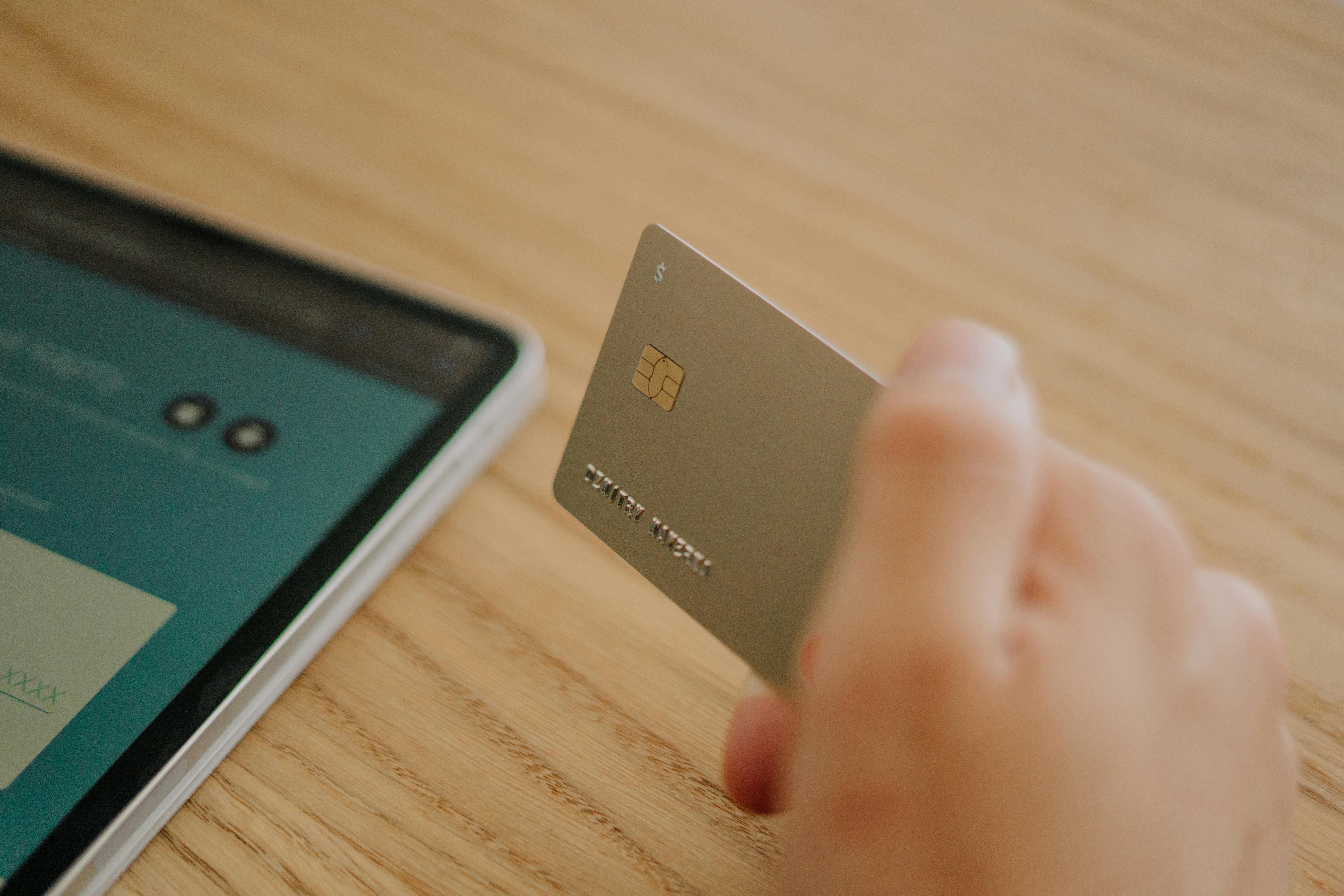
Coverage varies a lot, and it changes often enough that it's worth checking the issuer's app directly rather than assuming. As of 2026, most large U.S. issuers support some version of instant digital issuance for at least their core rewards and cash back cards, though approval speed still depends on whether your application needs manual review. If you're flagged for identity verification or income confirmation, you won't get instant access no matter which issuer you're dealing with — the digital card only appears once the account is fully approved and open, not while it's pending.
Secured cards and no-annual-fee starter cards have historically lagged behind premium cards in offering this feature, though that gap has been closing. If building credit quickly matters to you, it's worth asking about digital issuance before you apply, especially if you need to make a large purchase soon after approval.
The obvious use case is convenience — you don't have to wait around for the mail. But there are a few less obvious reasons this feature matters:
If you're consolidating debt onto a new balance transfer card, or trying to make a large purchase to hit a sign-up bonus's minimum spend requirement, instant access means you don't lose a week and a half of the promotional window while you wait for plastic. If your existing card was lost or stolen, some issuers will let you provision a replacement digital card instantly while the physical replacement ships, so you're never actually without a working card. And if you're traveling internationally and your physical card gets damaged or lost, having quick access to a digital version of a new account (assuming you can get phone or web access) can be a real backup.
Instant digital cards aren't riskier than physical ones in any fundamental way, but the mechanics are different enough to cause confusion. The card number loaded into your digital wallet is frequently not the same 16-digit number printed on your eventual physical card — many issuers use a tokenized number for wallet transactions that's distinct from the number that will arrive on plastic. That's a security feature, not a bug: if the token is ever compromised, the issuer can kill it without affecting your physical card number.
Where people get tripped up is when they manually copy the number shown in the app (for online checkout) and then later assume that's the number on their physical card too. Always check the card once it physically arrives — the printed number may not match what you've been typing into web forms for two weeks, and you'll want to update stored payment methods accordingly.
Darius applied for a small business card in the second week of January because he needed to buy $4,200 in equipment before a March 1 deadline for a state tax credit. His application was approved instantly, and within four minutes of approval, he had the card loaded into his phone's wallet. He placed the equipment order that same afternoon, financed the invoice on the new card, and had 42 days before his first statement was due — plenty of time to arrange working capital. His physical card arrived nine days later, sat in a drawer, and he didn't touch it until his wallet needed a manual card swipe at a supplier who didn't take tap payments.
Renata had a different experience. She applied for a travel card ahead of a trip three weeks out, hoping to hit the $4,000 minimum spend for a bonus by pre-paying hotels. Her application got flagged for manual income verification, which took six days to clear. Because the account wasn't open yet, there was no digital card to provision — instant issuance only works after approval, not during review. She ended up needing to compress three weeks of planned spending into twelve days once her card finally activated.
A lot of people assume every card offers this feature, then get confused when their newly approved card doesn't show up for wallet provisioning. Check your issuer's app directly rather than assuming based on a friend's experience with a different bank or a different card product.
Another common mistake is treating the tokenized digital number as permanent and saving it everywhere, including for autopay setups tied to bills or subscriptions, only to have that token expire or change when the physical card is activated. Read your issuer's fine print on whether the digital number is temporary or permanent before you rely on it long-term.
People also sometimes forget to activate the physical card once it arrives, assuming that because they've been using the digital version, activation isn't necessary. In most cases the physical card still needs a separate activation step, and until you do it, tap-to-pay transactions relying on chip fallback (some terminals still require it) won't work.
Check your issuer's app or online portal immediately after approval — most will show a banner or notification if instant provisioning is available. Add the card to your phone's digital wallet right away if you plan to use it before the physical card arrives, and note whether the number shown is temporary or matches your eventual physical card. If you need the card for a specific deadline-driven purchase, call the issuer's customer service line to confirm the account is fully open (not just approved) before you rely on it. And once your physical card lands in the mail, activate it immediately and compare the printed number against what's stored in your wallet and any autopay setups.
Instant digital card issuance is one of those features that quietly saves people real time and stress, especially around deadline-driven purchases or lost-card situations, but it's inconsistent enough across issuers that you shouldn't assume it'll be there when you need it. Check before you apply if timing matters, and always reconcile the digital number with your physical card once it arrives.
This article is for general educational purposes and isn't personalized financial advice. Credit card terms, provisioning availability, and issuer policies change frequently — confirm current details directly with your card issuer before making financial decisions.
Join the newsletter your bank hates and your wallet loves.
No spam. Unsubscribe anytime.