
Metal cards look great on a restaurant table, but the weight in your wallet isn't the same as value in your pocket. Here's how to tell if the annual fee actually pays for itself.

There's a specific sound a metal credit card makes when you set it down at a restaurant table — a little clink that a plastic card just can't replicate. Card issuers know this, and they've spent the last decade leaning hard into it, stamping their most premium cards in stainless steel and titanium and charging $95 to $695 a year for the privilege of carrying one. The question worth answering before you apply: does any of that weight translate into actual financial value, or are you paying extra for a really convincing prop?
Most metal cards aren't solid metal all the way through — there's usually a metal layer bonded to a plastic core so the chip and antenna still function, though a few ultra-premium cards get closer to solid metal with a small plastic insert around the electronics. Either way, the card ends up weighing five to fifteen times more than standard plastic. That's the material difference, full stop. Everything else — the annual fee, the rewards rate, the lounge access, the concierge line — is a separate decision the issuer made about who they want carrying that card. Metal is really just the visual signal that says "this cardholder gets extra investment."
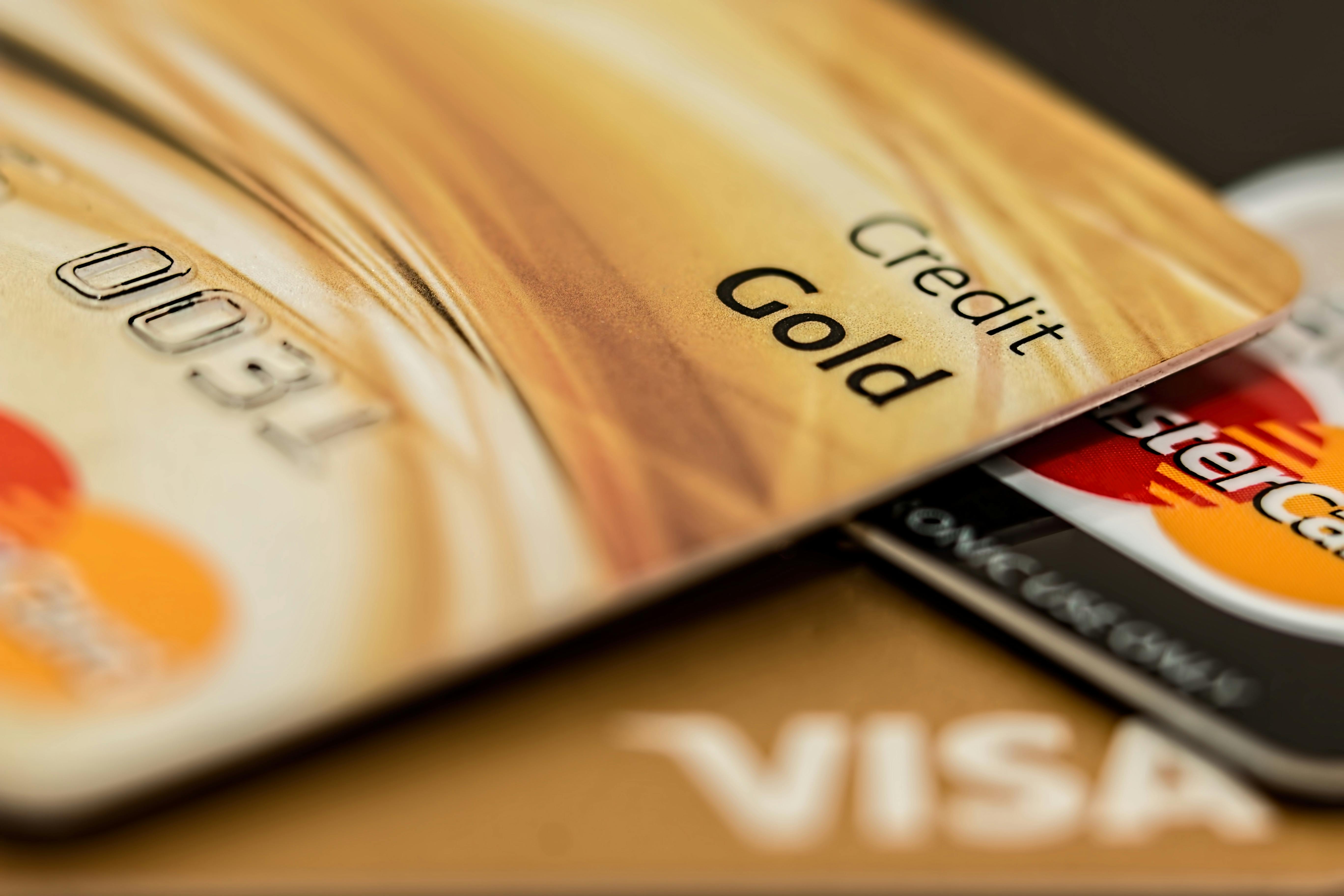
Nearly every metal card sits in the $95-and-up annual fee tier, and the fanciest ones charge $550 to $695. That fee is doing real work: funding things like premium travel rewards cards benefits, airport lounge networks, annual travel credits, and elevated customer service lines. So the honest question isn't "is metal worth it," it's "is this specific premium card's fee worth it for how I actually spend and travel" — the metal is just packaging on top of a much bigger financial decision you'd be making anyway.

If you already travel several times a year, a premium metal card can pencil out fast. Annual travel credits that offset the fee, lounge access that saves you $50+ per visit on airport food and drinks, elevated purchase protection, and better trip insurance are all real dollar values, not vibes. Frequent business travelers and people who spend heavily in a few bonused categories (dining, groceries, flights booked through the issuer's portal) tend to see the clearest return. If you're the kind of person who'd use the lounge four times a year and the annual credit every single year, the math often works in your favor even before you factor in the rewards rate itself.
If you travel once a year or less, rarely use airport lounges, and don't spend heavily in the card's bonus categories, you're very likely paying more in fees than you're getting back in perks — and a no-annual-fee card or a straightforward cash back card will out-earn you every year without the math homework. It's easy to underestimate how much "unused benefits" cost. A $6 monthly streaming credit you forget to redeem, a lounge visit you never make time for, a travel credit that expires because your trip fell through — these erode the value fast, and metal doesn't fix any of it.
Priya travels for work about six times a year and applies for a metal travel card with a $550 annual fee. It comes with a $300 annual travel credit she reliably uses on flights, four lounge visits she actually makes (worth roughly $200 in saved food and drinks), and a $100 hotel credit she redeems on a work trip. That's $600 in credits and savings against a $550 fee before she's even earned a single point — she comes out ahead even in a slow year.
Compare that to Devon, who travels once every year or two for a family vacation. He applies for the same card because a coworker recommended it, pays the $550 fee, forgets to book through the travel portal so the $300 credit expires unused, and never makes it to a lounge because his flights are early morning and he's rushing to the gate. He nets negative $550 and would have been better off with a no-fee cash back card the whole time.
People chase the metal card for status rather than doing the math on their own travel habits, assume the annual credits are "free money" without checking the redemption rules and expiration windows, forget that a downgrade or product change is usually possible if a premium card stops making sense, and compare the sticker-shock annual fee to a no-fee card's rewards without netting out the actual value of the perks they'll realistically use — not the perks that sound nice in the marketing page.
Before applying for a metal card, write down every credit and perk it offers alongside its real dollar value to you specifically, not its advertised value. Check whether you'd realistically hit the spending thresholds for any bonus categories. Look at your last 12 months of travel and lounge use, not your hoped-for future travel. And if you already have a similar premium card, check whether a product change to a lower-fee version of the same family might make more sense than adding a second premium card.
Metal is a material, not a value proposition — the annual fee, the credits, and your actual spending pattern are what determine whether a premium card earns its keep. If you travel often and will actually use the perks, the math can work out well in your favor. If you're mostly drawn to the clink on the table, a well-chosen no-fee or cash-back card will likely leave more money in your pocket at the end of the year.
This article is for general educational purposes and isn't personalized financial advice. Card terms, fees, and benefits change frequently — always confirm current details directly with the issuer before applying.
Join the newsletter your bank hates and your wallet loves.
No spam. Unsubscribe anytime.