
That 20% off coupon at checkout comes with strings attached. Here's how to tell when a store card is worth it versus when it's just a high-interest trap.

You're standing at checkout with an armful of stuff, and the cashier asks if you want to save 20% today by opening a store card. It takes thirty seconds. The discount is real. And that's exactly the moment retail credit cards are designed for — when your guard is down and the math feels like it's already in your favor.
Store cards aren't going away in 2026. If anything, more retailers are leaning on them harder to keep shoppers loyal in a slow-growth economy. But the terms on these cards have quietly gotten worse over the past few years, and the gap between "good deal" and "expensive mistake" usually comes down to what you do in the first thirty days.
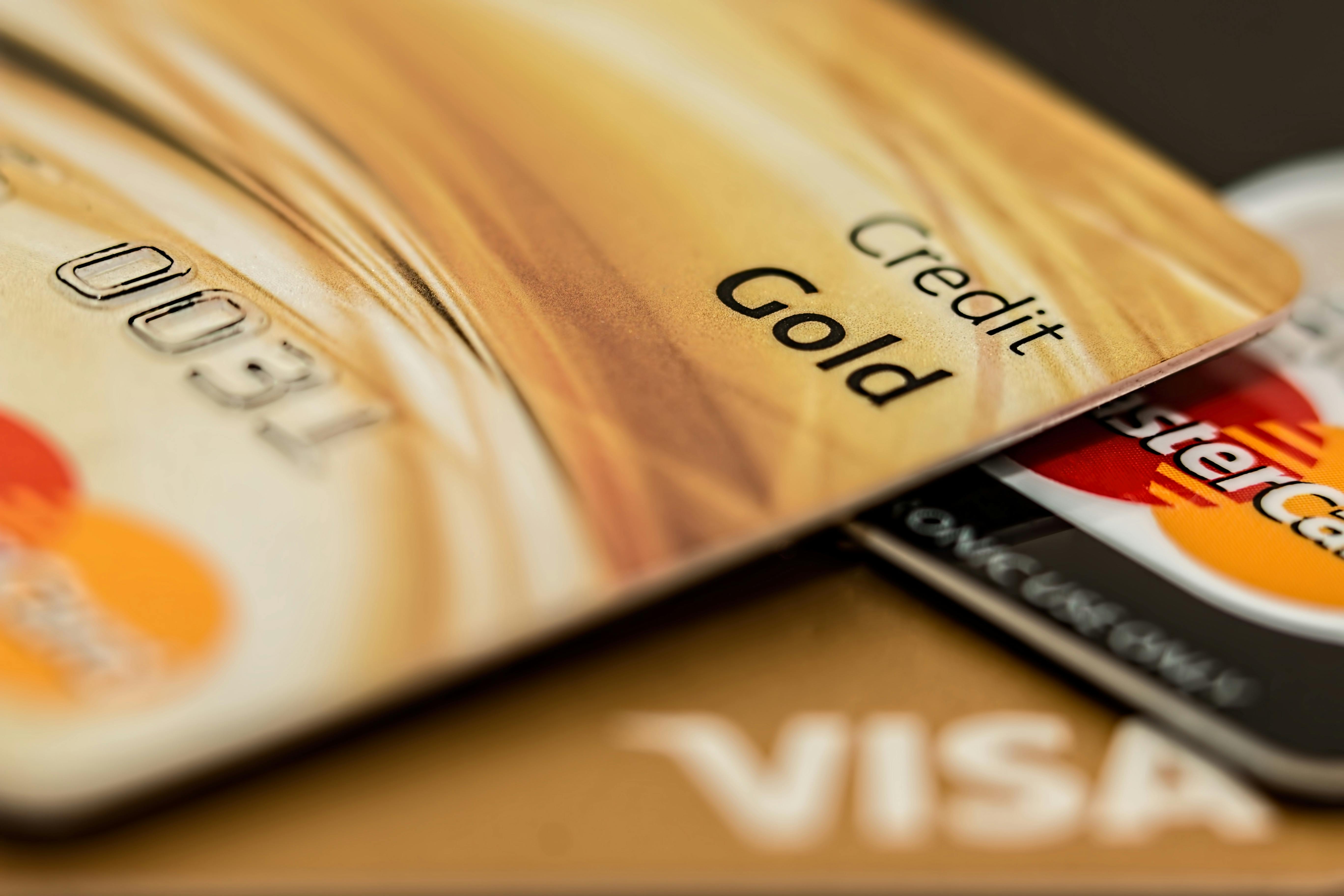
Most store cards fall into one of two buckets. A closed-loop card only works at that one retailer. An open-loop card carries a network logo like Visa or Mastercard and can be used anywhere, but still saves its best rewards for the issuing store.
The trade-off for that in-store discount is almost always a steep interest rate. Average retail card APRs have been running well above 30% in 2026, several points higher than the average for general rewards cards. Retailers can afford to be generous with the sign-up discount because they're betting a chunk of cardholders will carry a balance and pay it off slowly.
A 20% discount on a $200 purchase saves you $40. That's real money. But if you carry that $160 remaining balance (after the discount) for even three months at a 32% APR, you'll pay roughly $13 in interest — and if it sits for a year, you're looking at closer to $50, which erases the discount entirely and then some.
The rule of thumb: a store card discount is worth taking only if you're confident you'll pay the full statement balance before the first due date. If there's any chance you'll carry a balance, the "savings" evaporate fast.
Retail cards often front-load their value into that first purchase discount, then taper off into a modest ongoing rewards rate — usually 2-5% back in store credit or points, well below what you'd get from a strong cash back card on general spending. If you already have a card that earns solid rewards everywhere, a store card usually only makes sense as a second card used specifically at that one retailer, not as a replacement.
Some issuers structure the welcome offer more like a traditional credit card sign-up bonus, requiring a minimum spend within 60 or 90 days rather than an instant discount. Read the fine print before you assume it's a one-time 20% coupon — some are, some aren't.
Opening a store card at checkout usually triggers a hard inquiry on your credit report, the same as applying for any other credit card. A single inquiry typically dings your score by a few points and fades within a year, but if you're mid-application for a mortgage or auto loan, even a small dip can matter. It also affects your credit utilization picture — a new low-limit store card can actually raise your utilization ratio if you're not careful, since the limits on these cards tend to be low relative to typical spending.
Marisol was buying a couch and a rug for her new apartment, total bill $890. The store offered 20% off if she opened their card on the spot — an $178 discount, bringing her total to $712. She knew she'd have the money in her checking account within two weeks from a freelance invoice that had just been sent, so she took the discount, charged the full $712, and paid it off the moment the invoice cleared. Net result: she pocketed $178 for signing a form and made one on-time payment.
Her coworker Dante did the same thing for a $1,400 living room set, saving $280 off the discount. But his freelance client was slow to pay, and the balance sat on the card for four months at 31.9% APR. He ended up paying about $124 in interest before he cleared it — still a net gain over the sticker price, but a far cry from the $280 he thought he was banking, and he spent those four months stressed about a bill he hadn't planned for.
People open a store card assuming the discount is the whole story, without checking the APR or the minimum payment terms first. Others open one right before a big purchase like a car or a home, not realizing the new account and hard inquiry can shave points off their score at the worst possible time. A common one is stacking multiple retail cards over a year or two — each with a $500-$1,500 limit — and losing track of due dates across three or four different issuers, which is how late fees and missed payments sneak in even for people who are otherwise financially careful. And some shoppers keep a store card open for years after the initial purchase, forgetting about it entirely until an annual fee or a dormant-account closure shows up as a surprise.
Before you say yes at the register, ask what the ongoing APR is (not just the discount), and do a quick gut check on whether you can pay the balance in full by the due date. If you can't answer that confidently, take the discount another day — most retailers repeat these promotions often. If you do open the card, set a calendar reminder for the due date immediately, and consider setting up autopay for at least the minimum so a forgotten card never turns into a late fee. If you don't plan to shop there again, ask whether closing the card affects your credit mix before you do it, since a very old closed account can sometimes help your history length more than closing it helps your simplicity.
Retail credit cards aren't a scam, but they're built around a moment of impulse, and the 20% off works in the retailer's favor unless you're disciplined about paying the balance off fast. Used as a one-time discount tool with a clear payoff plan, they can be a genuinely good deal. Used as a habit, they tend to quietly cost more than they save.
This article is for informational purposes only and does not constitute financial advice. Credit card terms, APRs, and rewards structures change frequently — always confirm current terms directly with the issuer before applying.
Join the newsletter your bank hates and your wallet loves.
No spam. Unsubscribe anytime.