
Secured cards are the most reliable on-ramp to good credit, but only if you pick the right one and know when to move on. Here's how they work and how to graduate.

Jordan had a repossession on his credit report from three years ago and a credit score in the low 500s. Every unsecured card he applied for came back with a rejection letter. Then a bank teller mentioned something he'd never heard of: a secured credit card. Eighteen months later his score was in the 700s and he had two unsecured cards in his wallet. If you're starting from a thin file, a past bankruptcy, or a string of missed payments, a secured card is probably the fastest, cheapest way back into the credit system, as long as you understand how it works and don't get stuck paying for it longer than you need to.
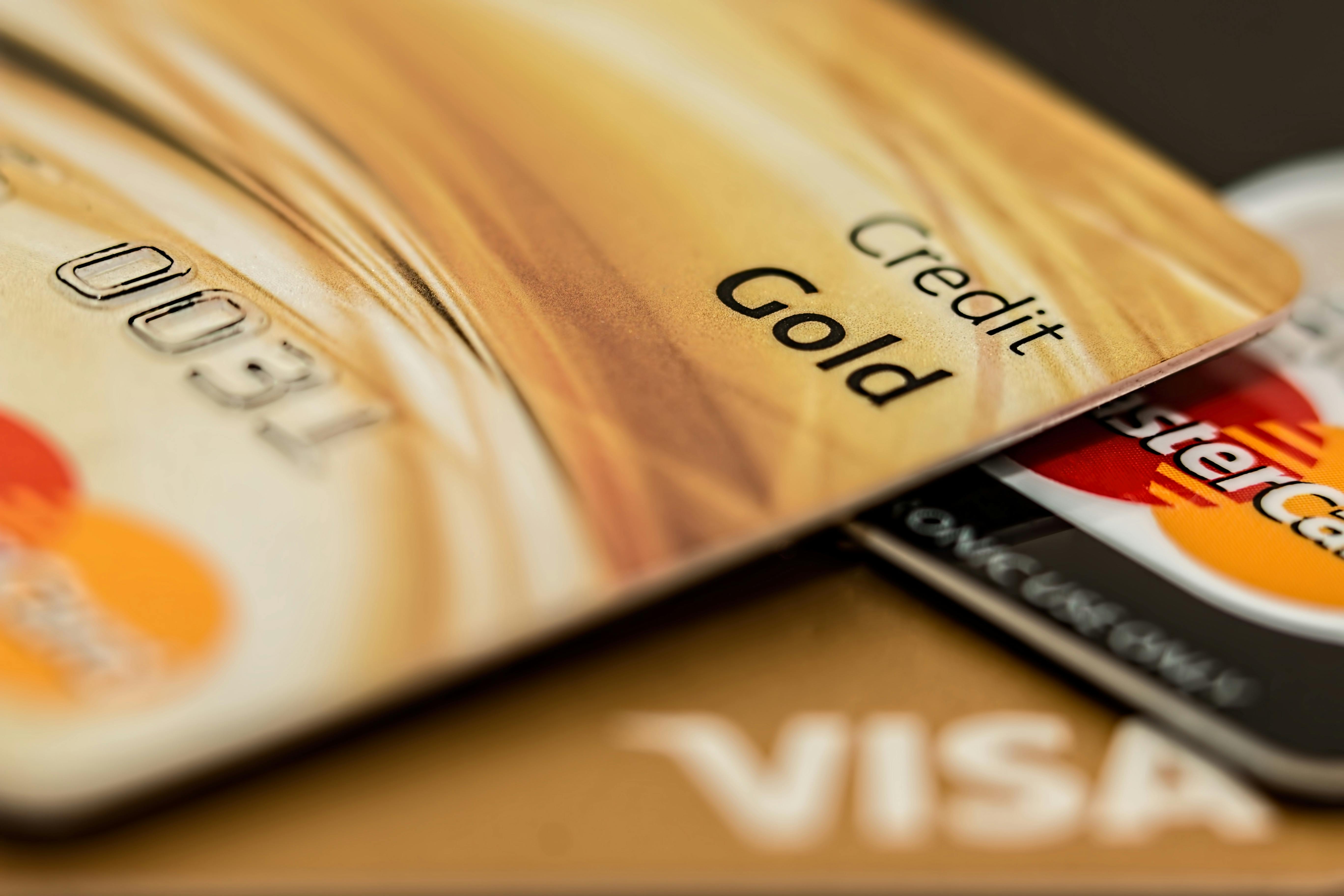
A secured credit card works almost exactly like a normal credit card, with one difference: you put down a cash deposit, usually somewhere between $200 and $500, and that deposit becomes your credit limit. Put down $300, get a $300 limit. The issuing bank holds the deposit as collateral, which is why it's willing to approve people that unsecured issuers won't touch. You still get a monthly statement, you still pay interest if you carry a balance, and you still build a payment history exactly the way you would with any other card.
The deposit isn't a fee. It's refundable. If you close the account in good standing, or the issuer upgrades you to an unsecured card, you get that money back. That's the single biggest thing people misunderstand about secured cards: they think they're paying $300 for the privilege of having a card. They're not. They're lending the bank $300 temporarily so the bank will take a chance on them.
This is the part that actually matters for your credit. A secured card reports to Equifax, Experian, and TransUnion every single month, exactly like an unsecured card does. The bureaus have no idea, and don't care, whether a card is secured or not. What they see is: an open account, a credit limit, a balance, and whether you paid on time. That's it.
This means a secured card can help every major factor in your credit score. On-time payments build your payment history, the single biggest scoring factor. Keeping your balance low relative to your limit helps your credit utilization. And simply keeping the account open for a few years helps your length of credit history. A $300 secured card, used responsibly, does the same scoring work as a $30,000 unsecured card.
Not all secured cards are worth signing up for. Some charge annual fees of $35 to $50 on top of the deposit, which eats into the value of a card you're only using to rebuild. Look for a secured card with no annual fee if at all possible, since there are several solid, no-fee options from major banks and credit unions. Our no-annual-fee card roundup is a good place to compare what's currently available.
Also check whether the issuer reports to all three bureaus (not all of them do), whether it pays interest on your deposit, and, importantly, whether it has an automatic upgrade path. The best secured cards will review your account after 6 to 12 months of on-time payments and offer to convert you to an unsecured card, refunding your deposit, without you having to apply for anything new.
Most people can move on from a secured card within 12 to 18 months of consistent, on-time payments and low balances. There are two paths. The first is an automatic upgrade offer from your existing issuer, which is the easiest option since it doesn't involve a new hard inquiry or a new account. The second is applying for a new unsecured card once your score has climbed enough to qualify. Our guide on how to build credit from scratch walks through the general timeline in more detail, and our breakdown of what credit score you need for each type of card can help you figure out realistically which unsecured cards are within reach before you apply.
Don't rush this. Applying for an unsecured card too early, before your score has actually moved, just adds a hard inquiry and a rejection to your file. Check your score every month or two and wait until you're comfortably within range of the card you want.
Priya opened a secured card with a $200 deposit after a period of unemployment left her with two missed payments and a score of 560. She used the card for one recurring bill, a $40 streaming and phone bundle, and paid the statement in full every month by autopay. She never let her balance sit above $20 on a $200 limit, keeping her utilization under 10%. After 10 months, her issuer sent an automatic upgrade notice: her deposit was refunded, and the account converted to an unsecured card with a $500 limit. Her score by that point had climbed to 671.
Marcus took a different path. He opened a secured card with a $500 deposit at the same starting score, but he used it more heavily, running it up to $400 or $450 of his $500 limit most months and paying only the minimum. His payment history stayed clean, so his score still improved, but more slowly, reaching 640 after a year because his high utilization was working against him. He eventually applied for and was approved for an unsecured card at month 16, but he'd left several months of extra interest charges and slower score growth on the table by carrying high balances the whole time.
The difference between Priya's and Marcus's outcomes wasn't the card. It was utilization.
The most common mistake is treating the deposit like a purchase and picking a card with a $50 annual fee to "save time," when a no-fee option would have worked just as well. Second is running the balance close to the limit; even though the limit is small, high utilization still drags your score down proportionally. Third is closing the account too early out of impatience, before the issuer's upgrade review happens, which means starting the length-of-history clock over again with a brand-new account. Fourth is applying for multiple secured cards at once, thinking more accounts means faster progress; each application is a hard inquiry, and one well-managed secured card does the job.
Start by pulling your credit report so you know exactly where you stand and what's dragging your score down. Then compare two or three no-annual-fee secured cards and confirm each reports to all three bureaus. Fund the smallest deposit you're comfortable with, since the deposit amount doesn't change how the card helps your score. Set up autopay for at least the minimum, and pay in full whenever you can. Use the card for one small recurring bill rather than everyday spending, so utilization stays low and predictable. Check your score every couple of months, and ask your issuer directly about their upgrade timeline once you hit six months of clean history.
A secured credit card isn't a lesser version of a real credit card. It reports the same way, builds the same score factors, and for most people is the fastest legitimate path from a damaged or thin credit file to a normal one. The deposit comes back. What doesn't come back is time, so the real goal is picking a no-fee card, keeping utilization low, and graduating to unsecured as soon as your payment history earns it.
This article is for general educational purposes and isn't personalized financial advice. Card terms, fees, and approval criteria change and vary by issuer; check current terms directly with the bank before applying.
Join the newsletter your bank hates and your wallet loves.
No spam. Unsubscribe anytime.
