
Virtual card numbers let you shop online without exposing your real account number. Here's how they work, which issuers offer them free, and when they're actually worth using.

Every time you type your real card number into a website you've never bought from before, you're trusting that company's security team, its vendors, and everyone downstream from them to keep it safe. Most of the time it's fine. Sometimes it isn't, and your number ends up on a list being sold for a few dollars alongside thousands of others. Virtual card numbers exist to make that gamble a lot smaller, and in 2026 more issuers than ever will generate one for you at no extra cost.
A virtual card number is a temporary, randomly generated number linked to your real card or bank account, but different from the digits printed on your physical card. When you check out with a virtual number, the merchant only sees the substitute digits, an alternate expiration date, and a different security code. Your bank still processes the payment against your real account, your rewards still post normally, and your statement looks the same. The merchant never has your actual account number to lose, sell, or get hacked out of.
Most virtual numbers can be locked to a single merchant, capped at a specific dollar amount, or set to expire after one use. If a retailer's database gets breached six months from now, the number that leaks is one you can turn off with a tap, not the number tied to your rent, your subscriptions, and your car payment.
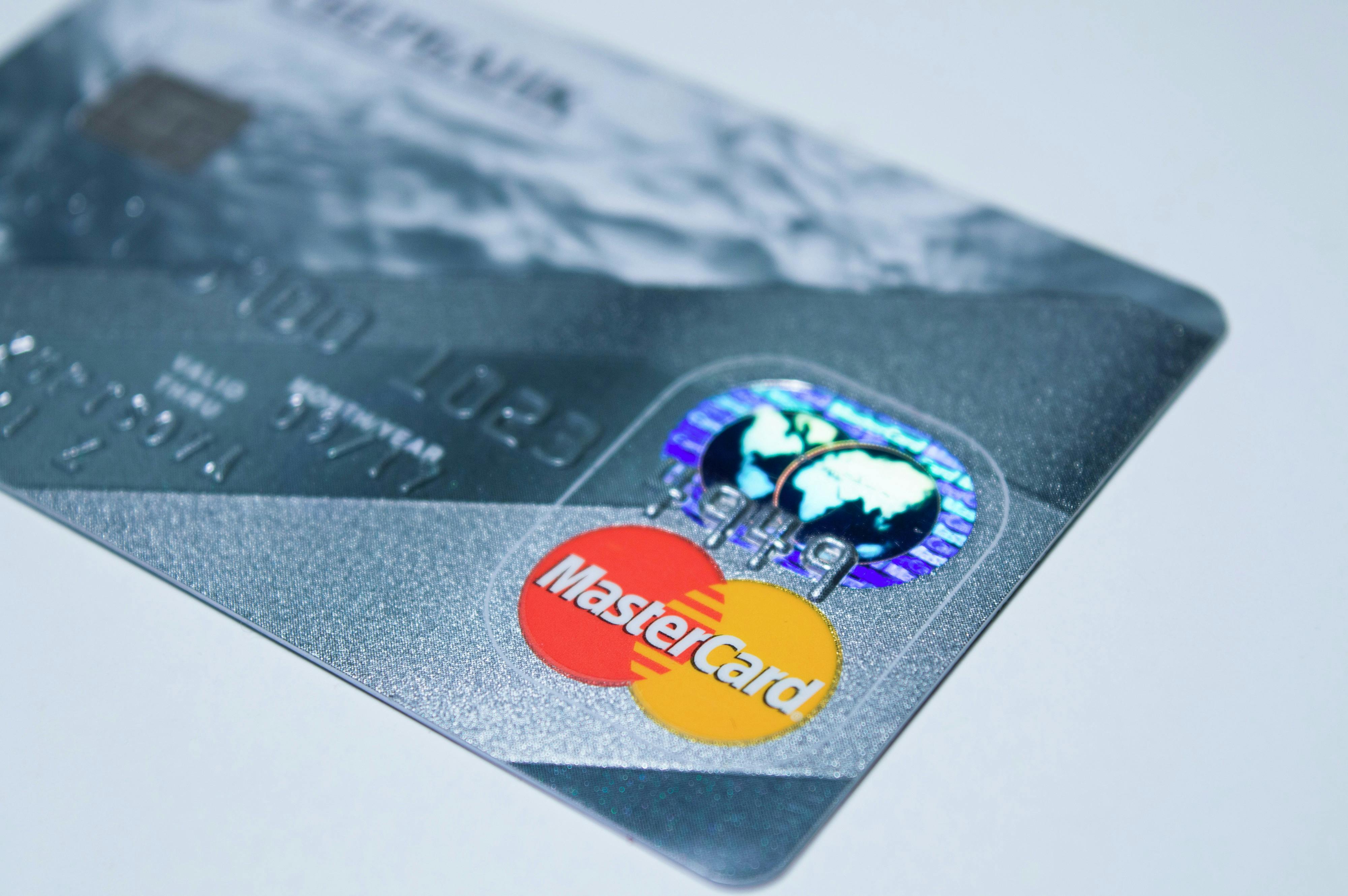
Capital One (Eno), Citi, Bank of America, and Discover all offer free virtual card number tools built into their browser extensions or mobile apps. Chase has been rolling its version out more broadly this year. American Express calls its version a similar name but restricts it to certain card products. Coverage isn't universal yet, so the fastest way to check is to log into your card's app and search "virtual card" in the help menu, or look for a browser extension from your issuer.
If your issuer doesn't offer one, standalone services like Privacy.com let you generate virtual numbers funded by a linked debit card or bank account, though you'll want to compare that to a no-annual-fee card that includes the feature natively, since a dedicated card usually earns rewards on top of the security benefit.
The biggest use case is a merchant you're not sure you trust yet: a small independent shop, a one-time purchase from a site you found through an ad, or a service you're trying out during a free trial that requires a card on file. Capping the virtual number at the trial's advertised price means a company that "forgets" to let you cancel simply can't charge you more than you approved.
They're also useful for recurring subscriptions you want to control tightly. Assign each subscription its own virtual number, and when a streaming service raises its price without telling you, the declined charge is your signal, not a surprise line item three statements later.
Where they matter less: a large, well-known retailer you buy from constantly, or in-person purchases, since virtual numbers are an online-checkout tool, not a replacement for tap-to-pay security at a physical terminal.

Deja signed up for a 7-day free trial of a photo-editing tool that wanted a card on file. Instead of handing over her main cash back card, she generated a virtual number through her issuer's app, capped it at $12.99 (the trial's stated renewal price), and used it to sign up. When she forgot to cancel and the company tried to charge $34.99 for a "pro" tier she never agreed to, the charge was declined outright because it exceeded her cap. She got an email, canceled in two minutes, and never had to call anyone or dispute a charge.
Her coworker Marcus wasn't so lucky. He'd used his primary card for a similar trial two years earlier, forgot about it, and paid $19.99 a month for 14 months before noticing on a statement — $279.86 he only got back after a lengthy dispute process with his bank.
One mistake is generating a new virtual number for every single purchase without any organization, which makes it nearly impossible to track which number belongs to which subscription when something needs to be canceled or disputed later. Label each one as you create it.
Another is assuming a merchant-locked virtual number protects you from that merchant's own bad billing practices — it protects your real number from a data breach, but if the merchant itself is dishonest about pricing, you'll still need to dispute the charge or let the cap do its job.
A third is forgetting that some virtual numbers expire or deactivate after a set period, which can cause a legitimate recurring payment (like one you actually want to keep) to fail unexpectedly. Check your issuer's default expiration settings before assigning one to a bill you intend to keep paying.
Open your card issuer's app or browser extension and search for "virtual card" to see if the feature already exists on your account. If it does, generate one now for the next free trial or one-off online purchase you make. Set a spending cap slightly above the advertised price so legitimate taxes or shipping don't cause a false decline. Keep a simple note (a spreadsheet or even your phone's notes app) listing which virtual number goes with which merchant, so you can find it again in six months.
Virtual card numbers won't stop every kind of fraud, and they're not a reason to skip other basics like strong passwords or checking your statements. But for the specific, common risk of handing your real number to a website you're not fully sure about, they're one of the easiest free upgrades available on most cards issued in 2026. If your card doesn't offer one yet, it's worth asking your issuer when it's coming, or shopping for a card that already has it built in.
This article is for general educational purposes and does not constitute financial advice. Card features, fees, and terms change frequently — confirm current details directly with your card issuer before relying on them.
Join the newsletter your bank hates and your wallet loves.
No spam. Unsubscribe anytime.