
Tapping your phone feels riskier than swiping a card, but the technology behind it is actually more secure. Here's what's really happening under the hood, and where the real risks still hide.

Most people still flinch a little the first time they tap their phone against a payment terminal instead of handing over a physical card. It feels like you just beamed your entire account number through the air to a stranger's machine. In reality, the opposite is true: tapping your phone to pay is almost always safer than swiping or even inserting a chip card, and understanding why can change how you think about protecting your money in 2026.
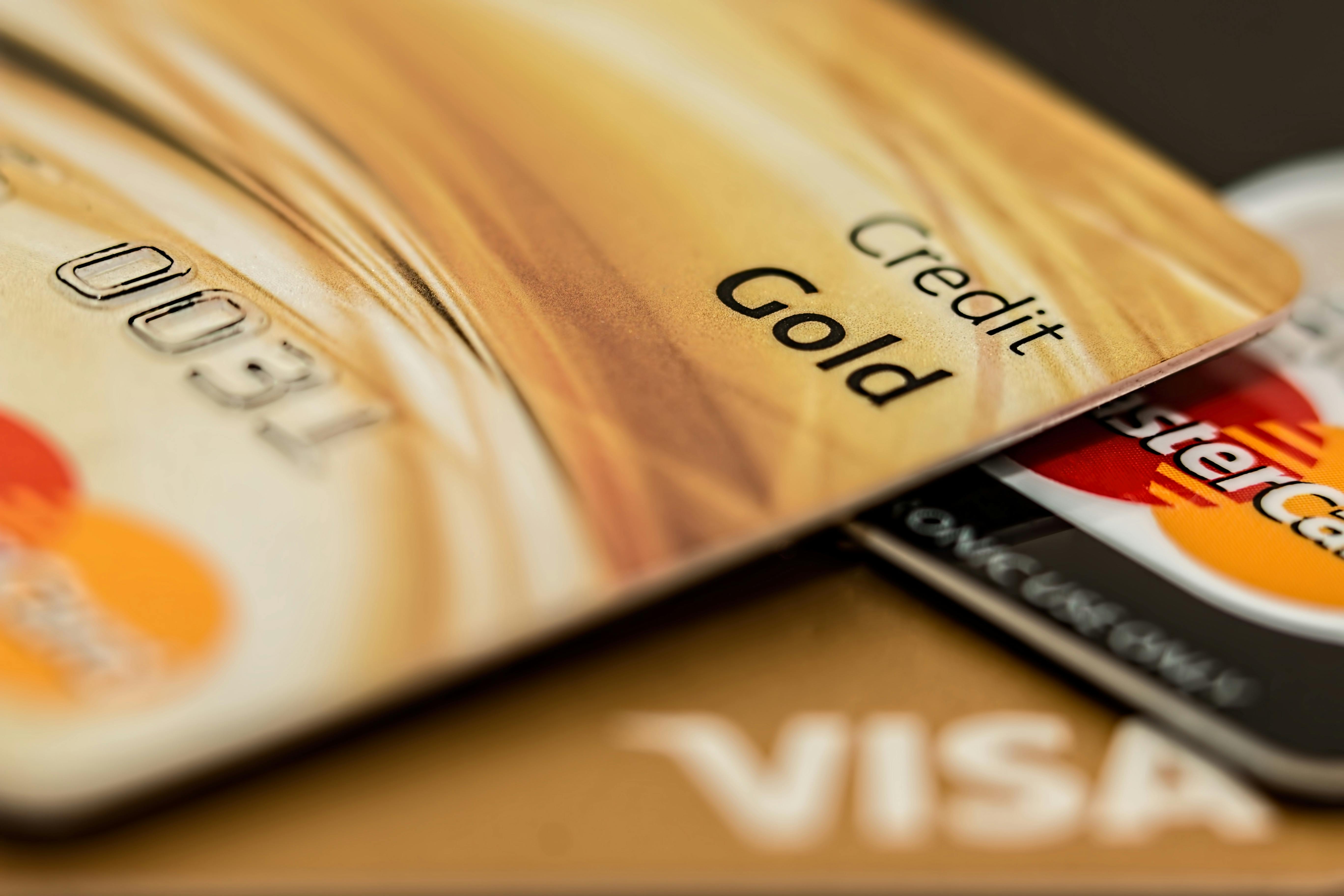
When you add a card to Apple Pay, Google Pay, or Samsung Wallet, the wallet doesn't just store a copy of your card number on your phone. It sends your card details to your bank, which generates a one-time stand-in number called a token. That token, not your real card number, is what actually lives on your device. Every time you tap to pay, your phone sends the token along with a fresh, single-use cryptographic code that only works for that one transaction, at that one merchant, at that one moment. If someone intercepted that data mid-transaction, it would already be useless by the time they tried to reuse it. Compare that to a physical card, where the same 16-digit number sits printed on the front, gets keyed into countless point-of-sale systems, and can be copied by a skimmer in seconds. Your phone's wallet never hands the merchant your actual account number at all.
This is the part that surprises people most. Losing your phone feels catastrophic, but from a payment-security standpoint, it's often less risky than losing your physical wallet. A stolen credit card can be used anywhere that still accepts a swipe or manual entry, sometimes for hours before you notice it's gone. A stolen phone, on the other hand, is locked behind Face ID, a fingerprint, or a passcode. Most wallet apps require that biometric or PIN confirmation for every single tap, not just for unlocking the phone. Even if a thief has both your phone and its passcode, remotely wiping the device or removing the cards from your bank's app instantly kills every token tied to it, with no need to wait for a new physical card to arrive in the mail.
None of this means digital wallets are risk-free. The danger has simply moved. Phishing texts and emails that trick you into "verifying" a new card by texting a one-time code to a scammer are now one of the most common ways fraudsters get a stolen card added to their own phone's wallet. Because the wallet itself is so well protected, criminals increasingly target the enrollment step instead of the tap itself. Public Wi-Fi and NFC skimming worries, meanwhile, are mostly outdated: NFC only works at a distance of an inch or two, and tokenization means there's no static number sitting there to steal even if someone got close enough to try. The more realistic threats are a stolen phone with a weak or shared passcode, or a family member's device that still has an old, no-longer-monitored card token sitting in it after a relationship or living situation changes.
Priya and Marcus are roommates who split groceries and utilities. Priya added her rewards card to Apple Pay for tap purchases at the grocery store, while Marcus still primarily swipes his physical card. In the same month, both of their information ends up in a retailer data breach that exposed stored card numbers. Marcus's actual 16-digit number was in that retailer's database because he had it on file for online reorders, so his bank has to reissue him a brand new physical card, and he spends two weeks updating autopay on four different subscriptions. Priya's card was tokenized for that same retailer's app, meaning the retailer never had her real number at all, only a token specific to their store, which her bank simply deactivates without reissuing anything. She doesn't have to change a single autopay setting. The $0 in fraud and zero hours of cleanup for Priya versus Marcus's roughly six hours of phone calls and re-entering payment info is the practical difference tokenization makes when a breach actually happens.
A surprisingly large number of people set up their phone's lock screen with a simple four-digit PIN shared with a partner or teenager, which undermines the entire security model, since that PIN is the only thing standing between a lost phone and every token on it. Another common mistake is ignoring the notification when a wallet app asks you to re-verify a card after a new phone setup; skipping that step sometimes leaves an old token active on a device you no longer use. People also assume that because a purchase used their phone, it's automatically covered by the same purchase protection and dispute rights as their physical card; in most cases the protections are identical since it's still the same card issuer, but it's worth confirming with your issuer rather than assuming. Finally, some shoppers avoid tap-to-pay because they think a criminal with a phone-based skimmer could read their card through a pocket or bag, when in practice the technology doesn't support that kind of remote, undetected read for tokenized wallet payments.
Set a strong alphanumeric passcode on your phone rather than a simple PIN, since that passcode is now effectively guarding every card you own. Turn on "Find My" or the equivalent device tracker so you can remotely lock or wipe a lost phone the moment you notice it's missing. Review the cards saved in your wallet app every few months and remove any tied to a closed account or an old relationship you no longer share finances with. If you get a text or email asking you to verify a card by replying with a code, don't respond and don't tap the link, since that's the number one way stolen cards actually end up on someone else's phone. For anyone who wants an extra layer of control after a scare, freezing the physical card itself while keeping the tokenized version active in your wallet is a good middle ground, and it's worth understanding the real difference between a credit freeze and a credit lock before you decide which to use.
Tapping your phone to pay isn't the security downgrade it feels like. Tokenization means your actual card number rarely, if ever, leaves your bank's servers, which is a meaningfully stronger setup than a physical card with its number printed in plain sight. The risks that remain are mostly about how well you protect the phone itself and how alert you stay to phishing attempts trying to get a card added to a device that isn't yours. Card issuers are also leaning harder into AI-driven fraud detection to catch unusual enrollment attempts before they succeed, which adds another layer on top of tokenization itself. Treat your phone's passcode with the same seriousness you'd give a PIN at an ATM, and tap-to-pay becomes one of the safer ways to spend money in your day-to-day life.
This article is for general educational purposes and does not constitute financial advice. Card features, security protocols, and issuer policies vary and can change; confirm current details with your card issuer or wallet provider before making decisions based on this information.
Join the newsletter your bank hates and your wallet loves.
No spam. Unsubscribe anytime.